Toll Free: +92-0311-17778-65
Archive for Seo
25 Sep

Off-Grid Solar System in Pakistan: How Businesses Can Achieve Reliable Energy Independence
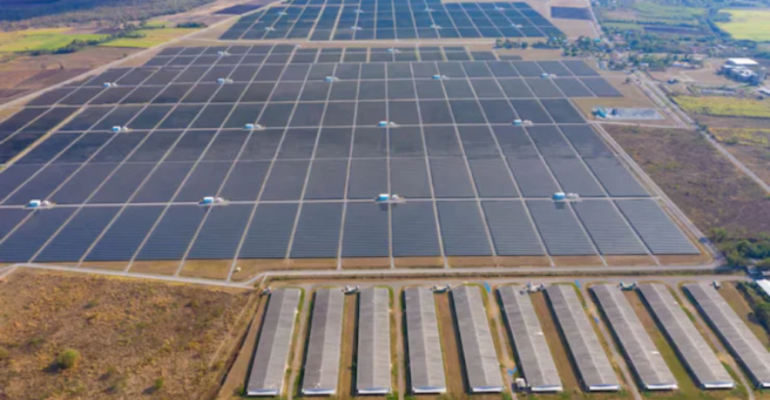
Power outages cost Pakistani businesses real money. Work stops. Deadlines slip. Customers get frustrated waiting on orders. Off-grid solar systems offer a way out. They hand businesses full control over their own power supply, no grid required. This article breaks down off-grid solar systems in Pakistan and shows how businesses can use them to become truly energy independent. What Exactly Is an Off-Grid Solar System? An off-grid solar system runs completely apart from the national grid. It relies on solar panels, batteries, and inverters working together. The system makes its own electricity. Extra power gets stored in batteries. That stored energy kicks in at night or on cloudy days. Off-grid setups work especially well in places with: No access to the grid at all Constant power outages Voltage that swings unpredictably Why More Businesses Are Going Off-Grid Across Pakistan, businesses are choosing off-grid solar for good reason: Total independence from the grid No more monthly electricity bills Real protection from load-shedding Steady power for delicate equipment Savings that build up over the years Who Benefits Most from Off-Grid Systems Off-grid solar tends to work best for: Factories located in remote areas Farmhouses and agricultural operations Warehouses without grid access Telecom towers Small offices in rural regions What Makes Up an Off-Grid System An off-grid solar system has a few core parts. Each one has a specific job to do. Solar Panels Panels turn sunlight into electricity. The more panels you have, the more power you generate. Batteries Batteries hold onto extra solar energy. That energy runs your business once the sun goes down. Two common battery types: Lithium batteries: last longer, cost more upfront Lead-acid batteries: cheaper, but wear out sooner Charge Controller This small device protects your batteries. It manages how much power flows in and out. Inverter The inverter turns solar power into electricity you can actually use, for lights, machines, and devices. How to Plan an Off-Grid System Good planning makes or breaks an off-grid system. Get it wrong, and you’ll run short on power when you need it most. Figure Out Your Power Needs Write down every piece of equipment you run. Note how many hours a day each one operates. This gives you your total daily energy use, the starting point for everything else. Decide How Much Backup You Need Some businesses only need power through the night. Others need backup around the clock. Think about your actual operating hours before deciding. Size Your Panels Correctly Your panels need to cover daily use and recharge your batteries at the same time. Pick the Right Inverter Your inverter has to handle your peak load, including machines that draw extra power when they first switch on. What Off-Grid Solar Gives Your Business Off-grid solar brings several real advantages to the table. Independence: You’re no longer at the mercy of the grid. Cost control: One upfront investment, no surprise bill increases. Reliability: Power keeps flowing even when outages hit. Room to grow: Systems can expand as your business grows. Low upkeep: Solar needs very little regular maintenance. The Downsides Worth Knowing Off-grid systems aren’t perfect. Businesses should go in with eyes open. Batteries push the upfront cost higher Batteries need replacing every several years Energy use needs some careful management Long stretches of cloudy weather can strain output A well-planned system keeps these issues to a minimum. Off-Grid vs On-Grid vs Hybrid: What’s the Difference? This is where a lot of business owners get stuck. On-Grid System Stays tied to the national grid. Cheaper, but it goes down when the grid does, unless batteries back it up. Off-Grid System Runs entirely on its own. Ideal for remote spots or places with an unreliable grid. Hybrid System Mixes grid power with battery backup. Gives you flexibility and a safety net.The right choice comes down to your location and how much power you actually need. What Off-Grid Systems Cost in Pakistan A few things drive the price: System size, measured in kW Battery type and total capacity Panel brand and build quality Inverter size Batteries usually account for the biggest chunk of cost. Lithium costs more upfront but pays off over its longer life. Where CellSol Energy Comes In CellSol Energy brings together engineers, technicians, and Lahore-based solar consultants to build off-grid systems around your actual needs, not a generic template. We start by studying how your business uses power. From there, we pick the right batteries and panels, then install and test everything ourselves. Our goal is straightforward: get your business running without leaning on the grid at all. Keeping an Off-Grid System Running Well A little regular care goes a long way. Wipe down panels once a month Check battery condition on a schedule Keep an eye on inverter performance Don’t overload the system Book a professional checkup once a year Is Off-Grid Solar the Right Fit for You? Off-grid solar tends to make sense if your business deals with: Regular load-shedding No grid connection nearby Electricity bills that keep climbing A real need for backup power If that sounds like your situation, off-grid solar is worth serious consideration. Final Thoughts Off-grid solar systems give Pakistani businesses something rare: genuine energy independence. No grid dependence. No exposure to rising electricity rates. With the right design and a team that knows what it’s doing, an off-grid system can power your business reliably for years to come. CellSol Energy works closely with businesses to design and install systems built around their specific needs, with a team that stays involved from day one. FAQs Can an off-grid system power an entire factory? Yes, as long as it’s designed with enough panels and battery storage to match. How long do solar batteries last? Lithium batteries typically last 8 to 15 years. Lead-acid batteries last 3 to 5 years. Is off-grid solar more expensive than on-grid? Usually, yes, mostly because of battery costs. But you gain full independence in return. Can I add more panels later? Yes. Most off-grid systems are built
21 Sep
Solar Power Plant Installation in Pakistan: Guide for Industrial Businesses
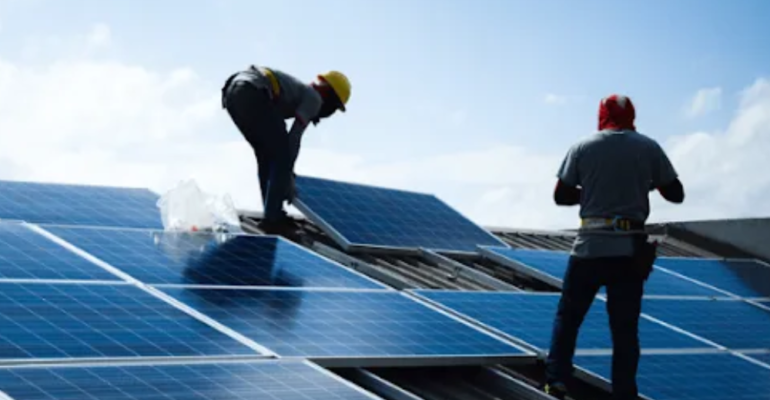
Electricity bills keep rising in Pakistan. Factories and industries feel this pain the most. That’s why more businesses are turning to solar power. It cuts costs. It also gives them power they can count on. This guide walks you through solar power plant installation in Pakistan. We wrote it for factory owners and plant managers who want clear, honest information. Why Industries Are Switching to Solar Grid electricity costs more every year. On top of that, load-shedding still disrupts production schedules across the country. Solar fixes both problems at once. Bills go down. Power stays on. Some real benefits industries see: Lower monthly electricity costs No more worrying about tariff hikes Fewer stoppages during production hours A cleaner, greener brand image Savings that add up for 20+ years Start With an Energy Audit Every solar project should begin here. An audit shows exactly how much power your factory uses. Our team reviews your past bills. We check your machines and note when your usage peaks during the day. Skip this step, and you risk buying a system that’s too small or too big. Both waste your money. Get a Site Survey Done Next, engineers visit your site in person. They check your roof or the open land where panels might go. They’re looking at: How much space you actually have Whether your roof can hold the weight How much direct sun the area gets Any trees or buildings casting shade This visit tells us where the panels should sit and what kind of structure will hold them. Design the System Now comes the technical part. Engineers plan out your entire solar setup. This covers: Panel type and wattage Inverter size How the wiring runs Safety components A solid design here means your system lasts longer and performs better every day. Choosing Between On-Grid and Off-Grid Not every factory needs the same setup. On-grid systems stay connected to the national grid. They cost less and use net metering to offset your bill. Off-grid systems run on batteries alone. These work best where the grid barely reaches. Hybrid systems blend both. Many factories prefer this option because it covers them either way. Handle Approvals First Before any equipment arrives, paperwork needs sorting out. Skipping this step causes headaches later. Depending on your system size, you may need: NEPRA approval for larger installations Net metering approval from your DISCO Local permits from your city or district A good solar provider takes care of this for you, start to finish. Order the Right Equipment Once approvals come through, it’s time to order. This usually includes: Solar panels Inverters Mounting frames Cables and safety gear Stick with Tier-1 panels if you can. They hold up better and come with stronger warranties. Installation Day This is where the physical work happens. A trained crew handles everything on-site. Here’s roughly how it goes: Mounting structures go up first Panels get fixed into place Inverters are installed Wiring gets connected Every connection gets checked for safety Skilled hands matter here. A rushed or careless install can quietly cut your system’s output. Test Everything Before Going Live Once installed, the whole system gets tested. Engineers walk through every connection by hand. They’re confirming: Panels are producing what the design predicted The inverter runs smoothly No wiring issues are hiding anywhere Only after this does the system actually go live. Set Up Net Metering For on-grid setups, this is the last piece. Net metering lets you sell unused power back to the grid. Your DISCO installs a special meter that tracks power flowing both ways. Keep Up With Maintenance Solar systems aren’t “install and forget.” A little upkeep keeps them running strong for years. That means: Wiping down panels regularly Checking wiring for wear Watching inverter performance A yearly professional checkup Many providers now offer app-based monitoring, so you can check your system’s health from your phone, anywhere. How CellSol Energy Fits In CellSol Energy handles the entire journey, not just parts of it. Our team includes engineers, trained technicians, and solar consultants based in Lahore. We’re there from the first energy audit to the final test run. Our job is to make sure your plant runs at its best, day after day. We’ve worked with businesses across Pakistan, and our focus stays the same: dependable, affordable solar power. What Affects the Final Cost A few things shift the total price up or down: The size of your system, in kW Which panel and inverter brand you pick Roof mount versus ground mount Whether you add battery backup Your site’s location and access Bigger systems ask for more money upfront. But over time, they save far more too. How Fast Does It Pay Off? Most industrial solar plants pay for themselves within 3 to 5 years. After that point, your electricity is nearly free for the rest of the system’s life. That’s what makes solar such a strong long-term bet for factories. Final Thoughts Solar power plant installation in Pakistan makes sense for industry right now. It brings bills down. It shields you from load-shedding. And it helps your business look and act more responsible. Working with a team that knows what they’re doing makes the whole process painless. CellSol Energy is built to guide you through every stage of it. If reliable solar power sounds like something your business needs, there’s no better time to get started. FAQs How long does industrial solar installation take? Most projects wrap up in 2 to 6 weeks, depending on size and site conditions. Do I need government approval for solar installation? Yes, for on-grid systems. You’ll need DISCO approval, and sometimes NEPRA too. What size solar system does my factory need? That depends entirely on your usage. An energy audit gives you the real number. Can I use solar power during load-shedding? Yes, as long as you’re running a hybrid or off-grid setup with batteries. How much can I save with solar power? Many businesses cut their electricity bills by 50%
18 Sep
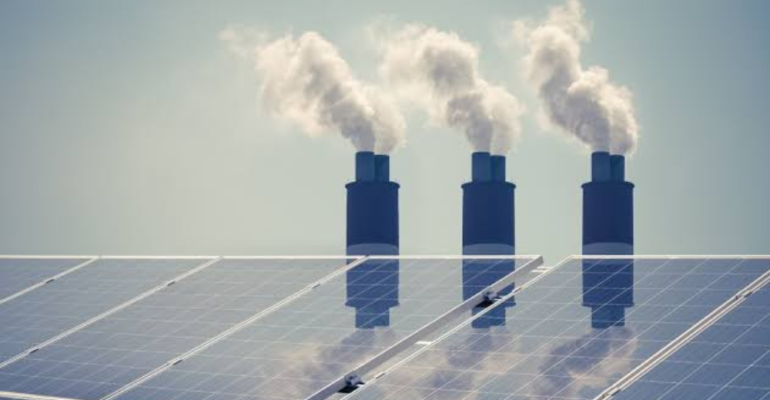
Industrial Solar for Steel Factories: How Solar Energy Can Reduce High Electricity Expenses
Steel factories burn through electricity fast. Furnaces run for hours at a stretch. Heavy machinery rarely powers down. The bills reflect that. Industrial solar for steel factories is one of the few fixes that actually moves the needle on cost. Call CellSol Energy Today. Why Electricity Bills Run So High Melting steel takes serious energy. So does cutting and rolling it. Multiply that across shifts, and the numbers get big fast. Add in rising grid rates, and factory budgets take a hit every year. What’s Driving the Cost Up Furnaces running non-stop Heavy machines across multiple shifts Grid rates climbing year after year Power loss from unstable voltage What Industrial Solar Changes Solar panels convert sunlight into power that runs factory equipment directly. Less grid electricity, smaller bills. Bills You Can Predict Once solar covers part of your load, your monthly costs stop swinging with grid prices. Protection From Price Hikes Grid rates go up. Solar power stays roughly the same cost year to year, which makes budgeting easier. Fewer Stoppages Stable power means fewer surprise shutdowns and fewer missed deadlines. A Step Toward Greener Manufacturing Factories that run on solar cut their emissions. That matters more now, especially for exporters facing sustainability requirements abroad. The Cost of Waiting Too Long Some factory owners put off going solar. They wait for prices to drop or for a “better time.” But every month that passes is another month of high grid bills. Fuel costs for backup generators keep rising too. That delay adds up over a year into a large, avoidable expense. Factories that act early start recovering their investment sooner. The payback clock only starts once the system is running. Common Ways Factories Pay for Solar One-time full payment Bank financing built for industrial projects Leasing with fixed monthly costs Payment plans through the solar provider Many factory owners find that a loan payment for solar costs less each month than their old electricity bill did. Solar Options for Steel Factories Every factory’s setup is different. Here’s what’s typically available. On-Grid Systems Stay connected to the grid, but rely on it less during the day. Off-Grid Systems Built for factories in remote areas without steady grid access. Hybrid Systems Combine solar, batteries, and grid power for round-the-clock reliability. How the Setup Process Works Good planning saves money. Bad planning wastes it. Assess Energy Use Engineers study how much power the factory uses and when. Plan the System The layout and load determine exactly what gets installed. Install With Precision Technicians handle wiring, mounting, and safety checks carefully. Maintain It Regular check-ins keep the system running at full strength for years. Questions Every Factory Owner Should Ask Before signing a contract, ask what panel brand and inverter brand the installer plans to use. Ask about warranty length. Ask for references from other industrial clients. A trustworthy installer will have clear answers ready. That clarity is often a good sign of the quality you’ll get. Why the Installer Matters A poorly installed solar system underperforms or worse, creates a safety risk. CellSol Energy’s engineers and technicians handle every detail. As a Solar Company in Lahore, our consultants build systems around each factory’s real needs, not a generic template. Is Industrial Solar Right for Your Factory? Factories with open roof space or unused land typically get the best results. Factories That Gain the Most High daytime power use Frequent exposure to rising electricity rates A push to lower long-term costs Plans to expand production Final Thought Industrial solar for steel factories isn’t a small upgrade it’s a direct answer to rising electricity costs. Lower bills, steadier operations, and a cleaner process overall. If your electricity bill keeps climbing, it might be time to look at solar. FAQs How much can a steel factory save with industrial solar? Most factories save between 30% and 60%, depending on how the system is sized. Does industrial solar work for large factories? Yes. Systems can be scaled up to match large industrial operations. How long does a solar system last? Around 25 years or more, with proper upkeep. Do these systems need a lot of space? Bigger systems need more room, but rooftops and open land both works. Can solar replace grid power entirely for a steel factory? In many cases, solar covers most daytime demand, especially when paired with a hybrid setup.
16 Sep
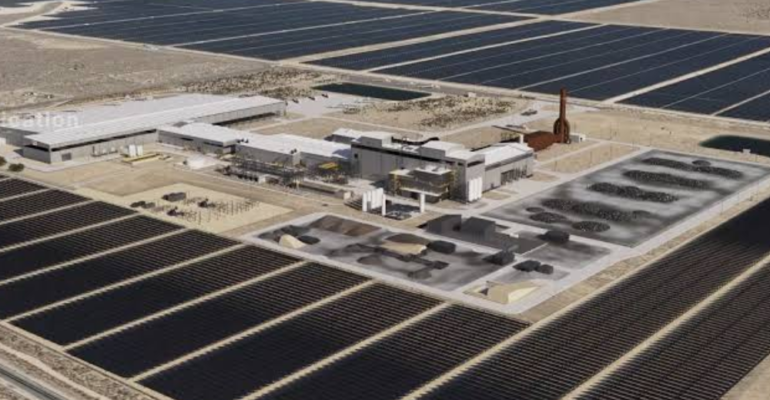
Steel Mills: Exploring Solar Solutions for Energy Intensive Operations
Steel mills run on power. Furnaces stay hot for hours. Rolling machines never really stop. That kind of demand shows up fast on the electricity bill. More mill owners are now turning to solar. It’s not a small tweak, it changes the whole cost picture. Call CellSol Energy Today. Why Steel Mills Struggle with Energy Costs Few industries use as much power as steel. Melting, shaping, rolling every stage needs heavy current. Grid electricity is expensive. And when it cuts out, production stops with it. Renewable energy for steel mills offers a way out. Steadier power. Lower cost per unit. The Usual Headaches Massive daily electricity use Grid and fuel prices going up Frequent outages Heavy dependence on non-renewable sources What Solar Brings to a Steel Mill Sunlight becomes electricity. That electricity powers daily operations and takes pressure off the national grid. Smaller Bills Steel mills use a lot of power, so even a modest cut in grid dependence saves real money. Power You Can Count On Pair solar with batteries, and you get backup during outages no more waiting for the grid to come back. Machines That Don’t Stop Steady power means steady output. Less downtime, more finished product. A Smaller Carbon Footprint Mills that switch to solar also cut emissions, which matters more each year for industrial buyers and regulators alike. What Happens When Mills Delay the Switch Many mill owners plan to go solar “next year.” That delay has a real cost. Every extra month on grid power means another high bill. Diesel backup, when used, adds even more to the monthly spend. Fuel prices rarely go down for long. The mills that switch early start saving sooner. The ones that wait keep paying the old price while others cut theirs. Financing Options Worth Knowing Bank loans built for industrial solar Leasing with fixed monthly payments Vendor financing offered by solar companies Upfront purchase for maximum long-term savings Many industrial buyers choose leasing or loans because the monthly payment often costs less than what they were paying the grid. Solar Setups That Fit Steel Mills Not every mill needs the same system. Here’s what’s usually on the table. On-Grid Systems Connected to the grid, these cut daytime electricity use without removing the grid as backup. Off-Grid Systems Built for mills in areas where the grid is unreliable or absent. Hybrid Systems A mix of solar, batteries, and grid power. This combo keeps things running no matter what. How Installation Actually Works Steel mills can’t afford guesswork. A poorly planned system wastes money and creates risk. Site Check Engineers look at roof space, sunlight exposure, and current power draw. Build the Plan The system gets designed around the mill’s actual demand, not a generic template. Install With Care Technicians follow strict safety standards during setup and wiring. Watch the Numbers Ongoing monitoring keeps performance high long after installation. Questions to Ask Before Choosing an Installer Steel mills carry high stakes when it comes to power. A bad install isn’t just a wasted cost, it’s a safety issue. Ask about the installer’s experience with industrial-scale projects. Ask what happens if a panel underperforms. Ask how they handle warranty claims. Clear answers signal a team that knows what it’s doing. Why the Right Team Matters A steel mill’s power needs are no joke. Get the install wrong, and you risk energy loss or worse a safety hazard. CellSol Energy brings trained engineers and technicians to every job. As a Solar Company in Lahore, our consultants design each system around the mill it’s built for not a one-size-fits-all package. Is Your Mill a Good Fit? Mills with open roof space or unused land usually get the most value from solar. Where Solar Pays Off Most Mills with heavy daytime energy use Mills facing regular power cuts Owners looking to cut long-term costs Mills planning to expand capacity Final Thought Renewable energy for steel mills isn’t just about going green. It’s about protecting margins in a business where energy costs can make or break profitability. Lower bills. Fewer interruptions. A cleaner operation. That’s the trade worth making. Contact CellSol Energy Today for a better experience. FAQs Can solar really support a steel mill’s heavy power load? Yes, if the system is sized correctly for the mill’s actual demand. What kind of savings should a steel mill expect? Typically, 30–60%, depending on mill size and current energy use. Is battery storage necessary? Not always. It helps during outages, but plenty of mills run fine without it. How long does setup take for a large mill? Usually a few weeks, depending on the size and complexity of the system. Can solar power a mill around the clock? On its own, solar only works during daylight. Hybrid systems with batteries can extend that into the evening.
14 Sep
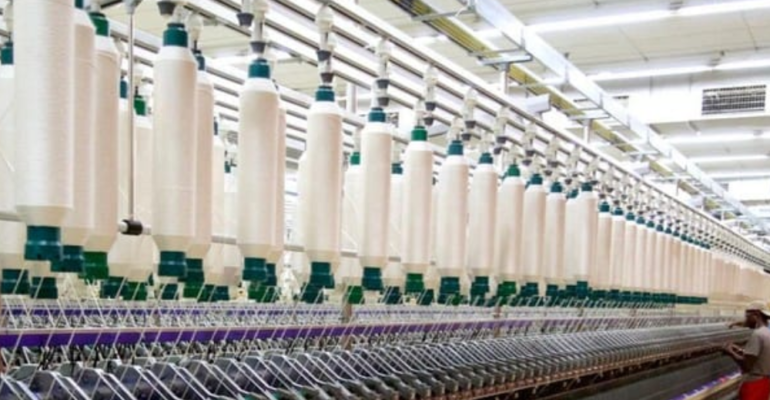
Cotton Mills: How Clean Power Can Improve Productivity and Reduce Costs
Cotton mills eat up power. Machines run for hours. Lights stay on through long shifts. The result? Electricity bills that keep climbing. That’s why more mill owners across Pakistan are switching to solar. It cuts costs. It also keeps machines running when the grid fails. Call CellSol Energy Today. The Power Problem in Cotton Mills Spinning units, weaving lines, dyeing plants they all pull power non-stop. And grid electricity isn’t cheap or steady. Then there’s load-shedding. It stalls production lines. Workers wait around. Deadlines slip. Renewable energy for cotton mills fixes both problems at once. Steady power, lower price. What Mills Struggle with Daily Sky-high electricity bills Sudden power cuts Costly diesel generators as backup Voltage swings that damage equipment What Solar Actually Does for a Mill Panels catch sunlight and turn it into usable power. That power runs your machines during the day. Less grid electricity means smaller bills. Cheaper Bills, Month After Month Once the system is installed, the savings start immediately. Many mills see costs drop within the first billing cycle. Fewer Interruptions No power cut means no stopped machines. Workers stay productive. Orders go out on time. A System That Pays for Itself Solar panels last around 25 years. Over that time, the savings add up far beyond the setup cost. Cleaner Production Less reliance on fossil fuel. Lower emissions. It’s good for the mill’s image too, especially with export clients who care about sustainability. The Real Cost of Ignoring the Problem Some mill owners wait years before switching to solar. That delay costs money. Every month on the old system means another high bill. Generators burn diesel at rates that keep rising. Fuel alone can eat a big chunk of monthly profit. Waiting also means missing out on years of savings that solar could have already delivered. The sooner a mill switches, the sooner the payback period starts. How Mills Usually Pay for Solar Full upfront payment Bank loans made for solar projects Leasing options with fixed monthly payments Payment plans offered directly by solar companies Most mill owners find that monthly loan payments end up lower than their old electricity bills. That makes the switch easier to justify on paper. Getting Solar Right: The Process Solar isn’t just “buy panels, plug them in.” Skip the planning and you’ll get poor results. Check the Numbers An energy audit shows exactly how much power the mill uses and when. Design the System Engineers size the system to match real usage, not guesswork. Install It Properly Technicians handle mounting, wiring, and safety checks on-site. Keep It Running Testing and regular checkups make sure the system stays at full output for years. Why the Installer You Pick Matters Cheap installers cut corners. Wrong panel angles. lose wiring. Bad load balancing. All of it eats into your savings. At CellSol Energy, our engineers and technicians don’t skip steps. As a Solar Company in Lahore, our consultants check every detail panel angle, wiring, load distribution before calling a project done. What to Ask Before You Sign a Contract Not all solar quotes are equal. Some installers cut costs by using weaker panels or skipping key safety steps. Before signing anything, ask a few simple questions. What brand of panels are they using? What warranty comes with the inverter? How long is the installation team’s experience with industrial sites? A good installer answers these clearly. A weak one avoids the details or rushes the conversation. Does Your Mill Need Solar? Not every setup is identical, but most cotton mills gain something from switching. Mills That See the Biggest Gains High power use during daylight hours Mills hit hard by load-shedding Owners trying to cut monthly overhead Mills planning to scale up Final Thought This isn’t a passing trend. Renewable energy for cotton mills is a practical fix for a real cost problem. Lower bills, steadier output, and a cleaner operation. If your mill is tired of high bills and constant outages, it’s worth talking to a solar expert. FAQs How much can a cotton mill actually save with solar? It depends on the mill’s size, but many cut electricity costs by 40–70%. How long does the installation take? Usually a few weeks, depending on how big the system is. Does solar make sense in Pakistan’s weather? Definitely. Pakistan gets strong sun most months, which makes solar a solid investment. How long do solar panels last? About 25 years, sometimes longer with good maintenance. Can solar cover all of a mill’s power needs? For many mills, yes especially the daytime load, which is usually the biggest chunk.
11 Sep

Solar System for the Plastic Industry in Pakistan: Benefits, Costs, and Installation Guide
Heavy machines are being operated at plastic factories throughout the day and night. A good amount of power is consumed in the molding units, extruders and cooling systems. This results in costlier electricity bills. Plastic factories have the opportunity to reduce their expenses through solar power. This guide discusses how solar systems can be used in the plastic industry, and the advantages, disadvantages and installation of such systems. Contact CellSol Energy Why is the Plastic Industry looking for solar energy? This is because plastic production is a continuous process that requires a constant rate of power supply. A production batch can be ruined during any type of power outages. Solar power provides factories with a consistently available and cost competitive source of energy. High Energy Needs in Plastic Factories Power is used to perform these functions in plastic units: Injection molding machines Extrusion machines Cooling and chiller systems Packing and cutting tools These machines run for long hours, using a lot of energy. Risk of Load Shedding Half-finished plastic parts can be impaired in the process of load shedding. It further results in lost machine time. This risk is less with solar power and battery storage. Benefits of Solar Power for Plastic Factories Converted Solar offers numerous benefits. Reduced Electricity Costs Solar energy reduces your electricity cost. This translates to greater savings in the long run. Reliable Power Supply Solar battery backup ensures machines continue functioning in times of power outages. Better Product Quality Fewer Production Errors Steady Power. This will enhance the quality of the product. Support for Bulk Production Higher output factories require “constant” power. Solar is one of the solutions to satisfy this demand. Types of Solar Systems for Plastic Factories There are several types of solar components for use in plastic factories. Solar is available on various options depending on the requirement of Plastic factories. On-Grid System Connected to WAPDA. Additional power is fed back to the electrical grid. Off-Grid System Works independently. Must be battery-powered for storage. Hybrid System Uses grid power and battery. Provides the most dependable configuration for factories. How to Choose the Right Solar System To select the appropriate system, it takes planning. Key Steps Determine the total power load in your factory. Look at the highest usage times. Determine whether battery back-up is needed. See a solar professional to size appropriately. Why Sizing Matters If the error is in the size of the system, it will incur unnecessary costs. This problem can be prevented by a proper site check. Why Choose CellSol Energy The company CellSol Energy has experienced experts and qualified technicians. The power requirements of plastic factories are understood. Our Installation Process Power load check of factory. We customize a solar energy system to fit your requirements. Installation process for the system is carried out with care. We are an after sale service provider. Our solar system maintenance services aim to ensure optimal performance. Cost of Solar for Plastic Factories The solar prices are based on (depend on) factory sizes and machine loads. The larger the factories, the larger the systems. Cost Factors Total power load On-grid, Off-grid or Hybrid? Battery size The quality of the Panel and Inverter. PV systems pay for themselves in most factories in a few years. Maintenance Tips for Plastic Factory Solar Systems A couple of little things and solar systems can operate like a charm. Clean panels regularly. Regularly examine wiring and connections. Review outcomes of the system each month. Have yearly checks to maintain your system. Final Thoughts Solar power of the plastic sector in Pakistan helps in lowering expenses and enhancing reliability. This helps prevent loss of production due to load shedding. We provide professional solutions and suggestions for plastic factories to transition to solar power. FAQs How much can a plastic factory save with solar power? Savings depend on factory size. Many factories cut bills by 40% to 60%. Can solar power run injection molding machines? Yes. A properly sized system can run molding and extrusion machines. Is battery backup needed for plastic factories? It helps during load shedding, but it depends on your production needs. How long does solar installation take? Most installations finish within a few weeks, depending on system size. What is the payback period for a solar system? Many factories recover their investment within three to five years.
09 Sep
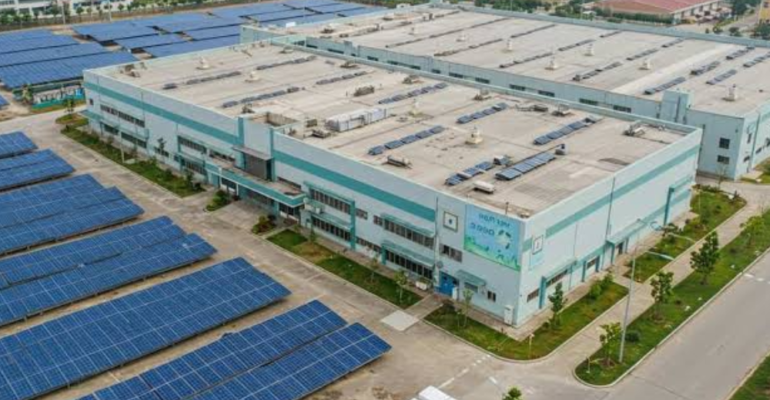
Solar Power for Textile Factories in Pakistan: A Complete Guide to Cutting Energy Costs
There is massive consumption of power in the textile factories. The spinning, weaving and dyeing sections are continuously active. This results in extremely high costs for electricity. The answer is solar power. It’s cost saving and provides reliable electricity to factories. This guide gives an introduction of working with the solar power system in textile industries in Pakistan. Why Textile Factories Need Solar Power In textile units’ large machines are operated for long periods of time. Production lines can be halted by power failures. This causes losses. Solar power provides a solution to both. It not only reduces downtime, but it also cuts costs. High Power Demand in Textile Units There are several uses of energy in textile factory: Spinning machines Weaving looms Units concerned with dyeing and finishing. Cooling systems Large factory space infra lightings This is a big usage which results in exorbitant bills every month. Impact of Load Shedding When load shedding occurs, machines are turned off during part of the process. This can affect the quality of the fabric. It results in raw material loss as well. Solar power diminishes this risk by providing regular energy supply. Benefits of Solar Power for Textile Factories Solar energy boasts a number of benefits for textile factories. Lower Operating Costs The monthly electricity bills are reduced by solar power. This will rack up huge savings over time. Stable Production Equipped with solar and battery power, machines continue to run. This avoids production delays. Better for the Environment Solar energy is a carbon-saving source of energy. The demand for using green energy in factories is high among international buyers. Boosts Export Value For some global brands, they require eco products. For some global brands, they can request the manufacture of good quality environment friendly products. Solar energy contributes to the achievement of these requirements. Types of Solar Systems for Textile Factories Solutions for solar sets up are available for textile units. On-Grid Solar System It is connected to the WAPDA grid. Can supply extra power back to the grid. Off-Grid Solar System It’s a stand-alone system. Requires batteries for storage. Hybrid Solar System This will be a blend of grids and batteries. It provides the most dependable Factory setup. How to Choose the Right System There are important considerations in selecting the proper system. Steps to Follow Take a measurement of the power usage of your factory per day. Look at the times of peak load. Determine whether you need batteries to back your products up. Ensure you consult the experts when it comes to the size of your panel and inverter. Site Assessment Matters Wrong sizing may be prevented with a proper site check. This will help to save up money in the long run. Why Choose CellSol Energy CellSol Energy has a team of experienced engineers and qualified technicians. We know how much electricity power is required by textile mills. Our Process We check your factory’s power load. We tailor a system to your requirements. We provide 100% installation services. After sales technical support and maintenance services are provided. All the solar panels are kept working at their optimum performance. Cost of Solar for Textile Factories The factory size, the loading of the machines all affect the solar price. As factories grow in size, so will their systems. Factors that Impact the Price Total power load The generation system type (on-grid vs. off-grid vs. hybrid).On/off/ hybrid-grid system type. Battery size Panel and inverter brand Even though realizing the cost initially, most factories recoup the investment within a few years. Maintenance Tips Solar systems are kept in good condition with regular maintenance. Wash panels frequently to get rid of dust. Check cables and connections. Keep track of how much electricity is being produced each day. Have annual service checks done. Final Thoughts It is a good idea to use solar energy in textile mills in Pakistan. Saves money and eliminates the risk of failure. It also supports factories in responding to the demand for green energy by their customers. CellSol Energy assists textile factories in making the transition to solar through design and installation. FAQs How much can a textile factory save with solar power? Savings vary by factory size. Many factories cut bills by 40% to 60%. Can solar power run heavy textile machines? Yes. A correctly sized system can run spinning and weaving machines without issues. Is battery backup necessary for textile factories? It is helpful during load shedding, but not always required. How long does installation take? Installation time depends on system size, but most projects finish within a few weeks. Does solar power help with export orders? Yes. Many global buyers prefer factories using clean energy sources.
07 Sep
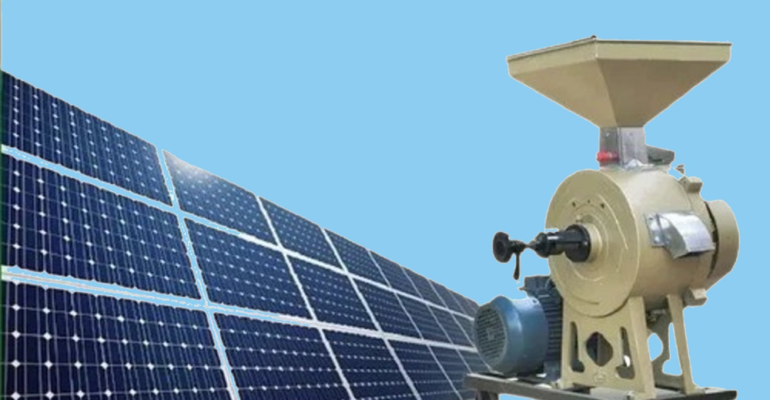
Flour Mill Solar Solutions: How Solar Power Can Reduce Energy Costs and Improve Mill Efficiency
There is substantial electricity consumption in flour mills. Grinding machines work the whole day long. Motors never stop. This creates a situation of sky-high electric bills. Nowadays, there are a significant number of solar power users among the proprietors of the mills in Pakistan. It cuts costs. It also helps in operating the mill during load shedding. This guide addresses the working of solar for a flour mill application. Why Flour Mills Need Solar Power Heavy machines are used at flour mills. Such machines require constant electrical power. Electricity is costly and has a low reliability. Solar energy is a viable cheaper alternative to the mill. It also provides an in-depth control of daily expenses. High Energy Use in Flour Mills Power is used in flour mill for various purposes: Running grinding motors Powering conveyor belts Operating packing machines Running lights/fans All these add up to a large monthly bill. Load Shedding Problems Load shedding means no production. It causes delays. In addition, it wears out machinery over time. Because solar power minimizes the risk. It provides an alternative to the mill’s energy supply. How Solar Power Helps Flour Mills Sunlight is converted to electric power by solar panels. This type of power drives the machines of a mill. Reduces power requirement for the grid. Lower Electricity Bills Sun generates bill savings. An entrepreneur can save a considerable amount annually. Stable Power Supply Batteries are able to be used with solar systems. This includes power during power outages. Long-Term Savings Solar panels are designed to last for many years! Once the payback period, power is nearly free of charge. Choosing the Right Solar System for Your Mill There isn’t one solar system that will work for any mill. The size will vary with each machine according to load and daily operation. So how to choose the correct system! Check your mill’s total power load. Check on how much time you’ve been spending at work. Select Size of Panel & inverter based on the load. If required, include batteries. On-Grid vs Off-Grid Systems On-Grid Systems: These are those that are connected to WAPDA. They return surplus energy to the electricity grid. Off-grid systems are standalone systems. Batteries required. Many flour mills would like a hybrid system. It combines it all the best. Why Work with Solar Experts There is a need for the right skills in solar installations. The installation can be incorrect leading to a waste of money. CellSol Energy has trained men and women Engineers and technicians. We test your mill’s load first of all. After which we develop a system to suit your requirements. This is what Our Staff Provides: Free site inspection Custom system design Skilled installation team After-sale support Every panel is operated to the best of our ability. Cost of Solar for Flour Mills Solar system costs are dependent upon mill size. Larger mills require larger systems. That comes at a higher initial price. But the payback time is often short. There is a turnover on many of the mills within a few years. Factors That Affect Cost The power load on the mill, including its own use. On-grid, off-grid or hybrid system type Battery backup needs The quality of the panel and inverter. Maintenance Tips for Mill Solar Systems The maintenance required for solar panels is minimal. However, if they are checked regularly, they will last longer. Wash panels periodically. Inspect wiring for any damage. Check systems monthly on a regular basis. Get yearly checks from a solar company in Lahore. Final Thoughts The solar solutions in flour mills contribute to cost savings for the flour mill owner. They also minimize power outages. A well-designed system will enable the mill to function year-round. CellSol Energy is assisting flour millers throughout Pakistan with adopting solar. Our staff creates solutions tailored to your specifications. FAQs How much can a flour mill save with solar power? Savings depend on mill size and system type. Many mills cut their electric bill by half or more. Can solar power run heavy grinding machines? Yes. A properly sized solar system can run large grinding motors without issues. Do flour mills need battery backup? Not always. But battery backup helps during load shedding hours. How long does a solar system last? Most solar panels last 20 to 25 years with proper care. How do I know the right solar size for my mill? A site visit from a solar expert helps calculate the exact load and system size needed.
28 Aug
How to Understand Different Types of Solar Inverters
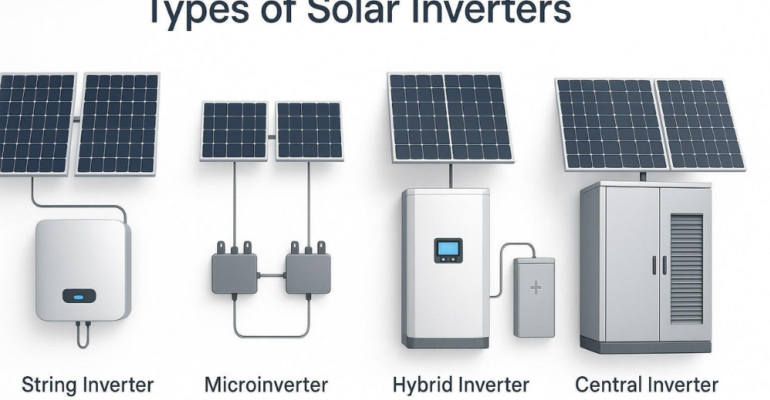
Ignore the solar panel; it is the only thing important. There’s another aspect of the system that’s equally significant. This is the solar inverter. Any solar panel will not power your home without an inverter. Let’s learn simple terms about the kinds of solar inverter in this guide. At the end you will be able to recognize the one which suits you best. What Does a Solar Inverter Do? DC power is generated by solar panels. Direct Current: It is current that flows However, most houses prefer AC electricity power. This is AC power. A direct current to alternate current converter. Your lights, fans and appliances operate due to this. Otherwise, the daily use of solar energy would have been useless. Why Choosing the Right Inverter Matters Inverters can’t all be created equal. There are some which are more effective for small homes. Others are used for big factories or buildings. The wrong type can reduce the performance of your system. It can also be more expensive in the long-term as well. That is when consulting a professional comes in handy. The Lahore based Solar Company Consultants team can assist you based upon your home size and energy requirement. Main Types of Solar Inverters Let’s get into the most frequently used! String Inverters The most commonly used inverters are string inverters. They are easy to create and inexpensive to make. All panels are connected to a single inverter. All panels are joined together in a string. This combined power is then converted to AC by the inverter. Best suited to: Simple roofs and little shade. The downside is that if a panel receives some shading or gets damaged, the entire output of the system suffers. Microinverters Microinverters work differently. A small inverter is used for each solar panel. Each panel produces its own electricity without influencing the other panels. The other shaded panel is not influenced by the shaded panels. The progress is monitored on a panel-by-panel basis. Ideal for: Providing shading on the roof or panels installed on the north/south axis. Downside: They are much more expensive than string inverters. Power Optimizers Power optimizers are a combination of both of the above. They cannot be considered as complete inverters. A small optimizer is attached on each panel. The optimization system fine tunes the power prior to it reaching one main inverter. This central inverter further converts the DC to AC. Ideal for: Homes seeking enhanced performance compared to string inverters, but not as high as microinverters. Hybrid Inverters Battery storage systems are required in hybrid inverters. They control power provided by solar panels. They also control power charging and discharge of batteries. They are capable of switching between solar power, battery storage and grid power. Suitable for: Battery backed houses and businesses. Bad: You have to pay more for the initial item. Central Inverters Central Inverters are large and strong. They are primarily applied to large solar farms or factories. One big inverter supplies power to numerous panels. It has been designed to handle high power loads. For best performance: Large scale solar energy installations, not homes. Comparing the Types: A Quick Look A quick summary: Considered inexpensive and straightforward, String Inverters are a good solution for simple residences. Microinverters are more expensive, but are best suited for roofs with shading. Power Optimizers cost / performance balance. For battery storage systems, Hybrid Inverters are the best choice. For large commercial projects, Central Inverter is recommended. How to Choose the Right Inverter There are a few factors to take into consideration when selecting an inverter. Roof Shape and Shading Microinverters and optimizers are more effective if there is shade on the roof from a building or a tree. Budget If money is a major concern, the least expensive inverter is a string inverter. Battery Plans For users who are planning to install batteries at a later stage, a hybrid inverter would be a more viable option. System Size Central is typically available in bigger systems, such as factories. Why Professional Installation Matters Even the best quality inverter is of no use if it is not installed correctly. This is where the specialty of qualified professionals comes in. CellSol Energy has an experienced staff of engineers and technicians. They will inspect your property prior to acquiring it. Then they decide which one would be suitable for you. Good installation ensures: Maximum power output Longer inverter lifespan Fewer repair issues Safe electrical setup Maintenance Tips for Solar Inverters There are a few things that need to be done to ensure the well-being of inverters. Make sure the inverter area is free from dust and dirt. Look for indicators of error lights or warnings. Have them visit at least once a year to check up. Store the inverter where it’s cool and in shade. Final Thoughts The main of any solar system is a solar inverter. The choice of the right type can impact the savings and performance. No matter the string inverter, micro inverter or hybrid system, all aim to achieve the same objective. You need good power and value for money. When unsure about which to match your home, consult trusted professionals. A reputed Solar Company Karachi can take you through the steps, step by step. FAQs To convert the DC voltage from the solar panels into AC voltage. Converts DC power of the solar panels into AC power for using in the home. Which inverter is best for a shaded roof? Microinverter/power optimizer: Ideal for shady environments. Are hybrid inverters worth the extra cost? Yes, if you are intending to store energy at the present time or into the future. What is the typical solar inverter lifespan? Under proper maintenance, most inverters can be expected to last 10-15 years. Can I install a solar inverter myself? Not recommended. When it’s professionally installed, it will be safe and perform better.
23 Aug
How Renewable Energy Solutions Are Transforming the Plastic Industry
The plastic industry consumes a considerable energy amount. The machine works at a factory 24 hours a day. They melt plastic. They mold it. They cool it down. It all depends on power. This power was for years provided by fossil fuel. However, this is changing now. Renewable energy has taken the place. It is transforming the manufacturing of plastic factories. In this blog, we examine the changes in energy solutions for the plastic sector. We will stick to the basics and remain conscious to keep it clear. Why the Plastic Industry Needs a Change Inevitably, a massive amount of electricity is utilized in plastic factories. Machines run non-stop. This costs money. It also generates pollution. Energy derived from fossil fuels isn’t reliable either. There are ups and downs in prices. Supply has the capacity to be sporadic. For the factory owners it is difficult to plan. This is where renewable energy helps solve many of these issues. It is cleaner. It can save money over the length of time. And it allows factories more control of costs. How Solar Power Helps Plastic Factories One of the most suitable choices for this industry is solar power. Here is why: Factory Roofs can be covered with a solar panel. They use free sunlight to produce power. Over time they* save electrical costs. They reduce carbon emissions. There are many plastic factories that have a substantial amount of roof space to offer. This makes them ideal materials for solar panels. A quality installer, such as an installer in Lahore, can program a system to the roof size and power requirements. Steady Power for Heavy Machines Steady electricity is required for plastic machines. A batch of material can be ruined in any case of a power down. Constant power yields come from solar systems, with battery storage in addition. This is to help prevent breakdowns and the squander of material resources. Cutting Costs with Renewable Energy One of the highest expenses in plastic production is the cost of energy. Renewable energy can reduce the cost in several ways. Lower Monthly Bills After solar panels have been installed, that energy from the sun is free. Electricity consumption at factories is reduced. This reduces the costs of electric power bills each month. Long-Term Savings Solar systems can be used for many years. Once the set up cost is paid, the energy is nearly free. This equates the savings of the factory owners for longtime use. Government Support There are many governments that also provide incentives for those who make a switch to solar. Studying this may involve tax reductions or even lower set-up fees. This is easier for factories to switch to. Reducing Pollution in Plastic Production Some environmental problems exist already for the manufacturing of plastics. This is balanced out in part by adding clean energy. Solar power doesn’t produce smoke or toxic gasses. Unlike some power plants, it doesn’t consume water. Rue Manuel made a little greener the whole production process! Renewable energy enabled factories can also market their products as “environment friendly” products. This can enable the decision to draw in more clients. Today, many companies would rather deal with cleaner suppliers. Battery Storage: A Key Part of the Solution There are no hours of daylight. Battery storage comes in handy. Additional solar electricity is stored in batteries. This power can be utilized during the night or on cloudy days at the factories. This continues the uninterrupted operation of machines. Benefits of Battery Storage Possesses one’s own machine and keeps it running during power outages Lowers reliance on the electrical grid. Minimizes reliance on the electrical grid. Stores -either creates or captures- energy to be used during the high-demand hours of the day. Reduces the risk of price crashes. Helps cushion the blow of sudden price increases. Working With the Right Solar Team Making the decision to switch to solar energy is a large one. It’s dependent on the appropriate group to do it right. A good team should: Before using, review your factory’s energy requirements. Create a design plan using your roof area Employ top quality panels and equipment. Maintain and support after installation This is where professionals come into their own. Solar Company Lahore Consultants often work together with electrical engineers/technicians. They ensure all panels are oriented for optimal performance. This type of expert planning eliminates wasted space and wasted money. The Future Looks Like The adoption of renewable energy by more plastic factories is renewed every year. This trend is continuing. Continued innovation in solar energy will continue to decrease its costs. Batteries also are becoming more efficient and affordably priced. This translates to more and more renewable energy options for the plastic sector. Earlier “adopting” factories may have a competitive advantage when it comes to solar. While several are transitioning, they already have the systems upgraded. Final Thoughts Renewable energy is driving transformational change for the plastic industry. It cuts costs. It reduces pollution. Provides greater control of electricity by the factories. Solar is a great option for plastics manufacturers. Consult with trusted engineers/technicians who are familiar with your requirements. A right system can at the same time save this world as well as money. FAQs Any explanation suggesting alternatives to fossil fuels for plastic factories. Any reason to move to renewables in plastic factories. Saves on electricity bills and pollution. Also provides more persistent power to machines. So, how viable is solar for heavy plastic machinery? Yes. Solar can power big machines effectively with proper machine size and battery storage. What’s the time required for installation of all solar panels in a factory? This will depend upon the factory size. It will take a few weeks to complete most installations. Does the use of solar power translate to long-term savings in the financial aspect? Yes. Once the initial cost of installing solar has been recouped, solar is virtually free to operate. Is battery storage essential in a Solar PV system? It helps a lot. Extra power
- 1
- 2