Power outages cost Pakistani businesses real money. Work stops. Deadlines slip. Customers get frustrated waiting on orders.
Off-grid solar systems offer a way out. They hand businesses full control over their own power supply, no grid required.
This article breaks down off-grid solar systems in Pakistan and shows how businesses can use them to become truly energy independent.
What Exactly Is an Off-Grid Solar System?
An off-grid solar system runs completely apart from the national grid. It relies on solar panels, batteries, and inverters working together.
The system makes its own electricity. Extra power gets stored in batteries. That stored energy kicks in at night or on cloudy days.
Off-grid setups work especially well in places with:
- No access to the grid at all
- Constant power outages
- Voltage that swings unpredictably
Why More Businesses Are Going Off-Grid
Across Pakistan, businesses are choosing off-grid solar for good reason:
- Total independence from the grid
- No more monthly electricity bills
- Real protection from load-shedding
- Steady power for delicate equipment
- Savings that build up over the years
Who Benefits Most from Off-Grid Systems
Off-grid solar tends to work best for:
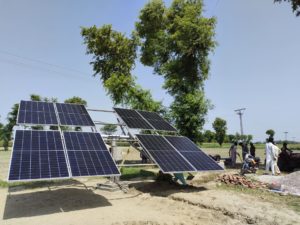
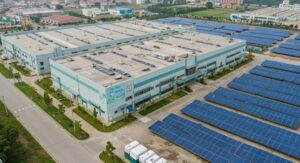
- Factories located in remote areas
- Farmhouses and agricultural operations
- Warehouses without grid access
- Telecom towers
- Small offices in rural regions
What Makes Up an Off-Grid System
An off-grid solar system has a few core parts. Each one has a specific job to do.
Solar Panels
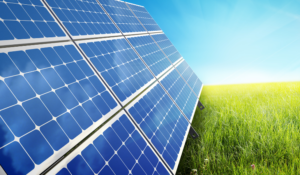
Panels turn sunlight into electricity. The more panels you have, the more power you generate.
Batteries
Batteries hold onto extra solar energy. That energy runs your business once the sun goes down.
Two common battery types:
- Lithium batteries: last longer, cost more upfront
- Lead-acid batteries: cheaper, but wear out sooner
Charge Controller
This small device protects your batteries. It manages how much power flows in and out.
Inverter
The inverter turns solar power into electricity you can actually use, for lights, machines, and devices.
How to Plan an Off-Grid System
Good planning makes or breaks an off-grid system. Get it wrong, and you’ll run short on power when you need it most.
Figure Out Your Power Needs
Write down every piece of equipment you run. Note how many hours a day each one operates.
This gives you your total daily energy use, the starting point for everything else.
Decide How Much Backup You Need
Some businesses only need power through the night. Others need backup around the clock.
Think about your actual operating hours before deciding.
Size Your Panels Correctly
Your panels need to cover daily use and recharge your batteries at the same time.
Pick the Right Inverter
Your inverter has to handle your peak load, including machines that draw extra power when they first switch on.
What Off-Grid Solar Gives Your Business
Off-grid solar brings several real advantages to the table.
- Independence: You’re no longer at the mercy of the grid.
- Cost control: One upfront investment, no surprise bill increases.
- Reliability: Power keeps flowing even when outages hit.
- Room to grow: Systems can expand as your business grows.
- Low upkeep: Solar needs very little regular maintenance.
The Downsides Worth Knowing
Off-grid systems aren’t perfect. Businesses should go in with eyes open.
- Batteries push the upfront cost higher
- Batteries need replacing every several years
- Energy use needs some careful management
- Long stretches of cloudy weather can strain output
A well-planned system keeps these issues to a minimum.
Off-Grid vs On-Grid vs Hybrid: What’s the Difference?
This is where a lot of business owners get stuck.
On-Grid System
Stays tied to the national grid. Cheaper, but it goes down when the grid does, unless batteries back it up.
Off-Grid System
Runs entirely on its own. Ideal for remote spots or places with an unreliable grid.
Hybrid System
Mixes grid power with battery backup. Gives you flexibility and a safety net.The right choice comes down to your location and how much power you actually need.
What Off-Grid Systems Cost in Pakistan
A few things drive the price:
- System size, measured in kW
- Battery type and total capacity
- Panel brand and build quality
- Inverter size
Batteries usually account for the biggest chunk of cost. Lithium costs more upfront but pays off over its longer life.
Where CellSol Energy Comes In
CellSol Energy brings together engineers, technicians, and Lahore-based solar consultants to build off-grid systems around your actual needs, not a generic template.
We start by studying how your business uses power. From there, we pick the right batteries and panels, then install and test everything ourselves.
Our goal is straightforward: get your business running without leaning on the grid at all.
Keeping an Off-Grid System Running Well
A little regular care goes a long way.
- Wipe down panels once a month
- Check battery condition on a schedule
- Keep an eye on inverter performance
- Don’t overload the system
- Book a professional checkup once a year
Is Off-Grid Solar the Right Fit for You?
Off-grid solar tends to make sense if your business deals with:
- Regular load-shedding
- No grid connection nearby
- Electricity bills that keep climbing
- A real need for backup power
If that sounds like your situation, off-grid solar is worth serious consideration.
Final Thoughts
Off-grid solar systems give Pakistani businesses something rare: genuine energy independence. No grid dependence. No exposure to rising electricity rates.
With the right design and a team that knows what it’s doing, an off-grid system can power your business reliably for years to come.
CellSol Energy works closely with businesses to design and install systems built around their specific needs, with a team that stays involved from day one.
FAQs
Can an off-grid system power an entire factory?
Yes, as long as it’s designed with enough panels and battery storage to match.
How long do solar batteries last?
Lithium batteries typically last 8 to 15 years. Lead-acid batteries last 3 to 5 years.
Is off-grid solar more expensive than on-grid?
Usually, yes, mostly because of battery costs. But you gain full independence in return.
Can I add more panels later?
Yes. Most off-grid systems are built to allow future expansion.
Do off-grid systems work during monsoon season?
They do, but your battery backup should be sized for longer cloudy stretches.