Electricity bills keep rising in Pakistan. Factories and industries feel this pain the most. That’s why more businesses are turning to solar power. It cuts costs. It also gives them power they can count on.
This guide walks you through solar power plant installation in Pakistan. We wrote it for factory owners and plant managers who want clear, honest information.
Why Industries Are Switching to Solar
Grid electricity costs more every year. On top of that, load-shedding still disrupts production schedules across the country.
Solar fixes both problems at once. Bills go down. Power stays on.
Some real benefits industries see:
- Lower monthly electricity costs
- No more worrying about tariff hikes
- Fewer stoppages during production hours
- A cleaner, greener brand image
- Savings that add up for 20+ years
Start With an Energy Audit
Every solar project should begin here. An audit shows exactly how much power your factory uses.
Our team reviews your past bills. We check your machines and note when your usage peaks during the day.
Skip this step, and you risk buying a system that’s too small or too big. Both waste your money.
Get a Site Survey Done
Next, engineers visit your site in person. They check your roof or the open land where panels might go.
They’re looking at:
- How much space you actually have
- Whether your roof can hold the weight
- How much direct sun the area gets
- Any trees or buildings casting shade
This visit tells us where the panels should sit and what kind of structure will hold them.
Design the System
Now comes the technical part. Engineers plan out your entire solar setup.
This covers:
- Panel type and wattage
- Inverter size
- How the wiring runs
- Safety components
A solid design here means your system lasts longer and performs better every day.
Choosing Between On-Grid and Off-Grid
Not every factory needs the same setup.
On-grid systems stay connected to the national grid. They cost less and use net metering to offset your bill.
Off-grid systems run on batteries alone. These work best where the grid barely reaches.
Hybrid systems blend both. Many factories prefer this option because it covers them either way.
Handle Approvals First
Before any equipment arrives, paperwork needs sorting out. Skipping this step causes headaches later.
Depending on your system size, you may need:
- NEPRA approval for larger installations
- Net metering approval from your DISCO
- Local permits from your city or district
A good solar provider takes care of this for you, start to finish.
Order the Right Equipment
Once approvals come through, it’s time to order. This usually includes:
- Solar panels
- Inverters
- Mounting frames
- Cables and safety gear
Stick with Tier-1 panels if you can. They hold up better and come with stronger warranties.
Installation Day
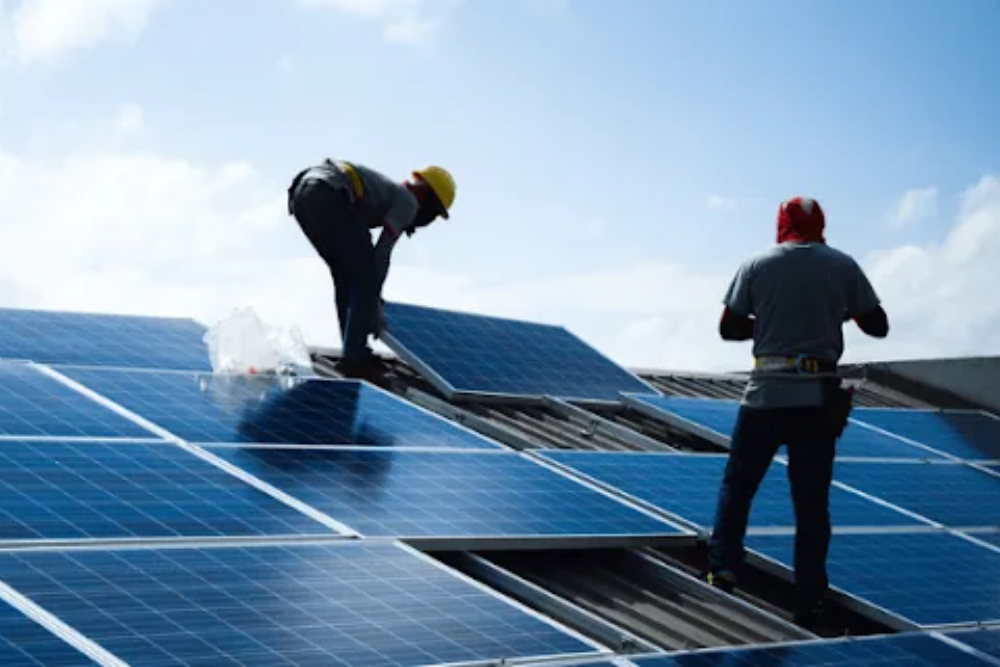
This is where the physical work happens. A trained crew handles everything on-site.
Here’s roughly how it goes:
- Mounting structures go up first
- Panels get fixed into place
- Inverters are installed
- Wiring gets connected
- Every connection gets checked for safety
Skilled hands matter here. A rushed or careless install can quietly cut your system’s output.
Test Everything Before Going Live
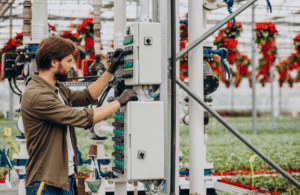
Once installed, the whole system gets tested. Engineers walk through every connection by hand.
They’re confirming:
- Panels are producing what the design predicted
- The inverter runs smoothly
- No wiring issues are hiding anywhere
Only after this does the system actually go live.
Set Up Net Metering
For on-grid setups, this is the last piece. Net metering lets you sell unused power back to the grid.
Your DISCO installs a special meter that tracks power flowing both ways.
Keep Up With Maintenance
Solar systems aren’t “install and forget.” A little upkeep keeps them running strong for years.
That means:
- Wiping down panels regularly
- Checking wiring for wear
- Watching inverter performance
- A yearly professional checkup
Many providers now offer app-based monitoring, so you can check your system’s health from your phone, anywhere.
How CellSol Energy Fits In
CellSol Energy handles the entire journey, not just parts of it. Our team includes engineers, trained technicians, and solar consultants based in Lahore.
We’re there from the first energy audit to the final test run. Our job is to make sure your plant runs at its best, day after day.
We’ve worked with businesses across Pakistan, and our focus stays the same: dependable, affordable solar power.
What Affects the Final Cost
A few things shift the total price up or down:
- The size of your system, in kW
- Which panel and inverter brand you pick
- Roof mount versus ground mount
- Whether you add battery backup
- Your site’s location and access
Bigger systems ask for more money upfront. But over time, they save far more too.
How Fast Does It Pay Off?
Most industrial solar plants pay for themselves within 3 to 5 years. After that point, your electricity is nearly free for the rest of the system’s life.
That’s what makes solar such a strong long-term bet for factories.
Final Thoughts
Solar power plant installation in Pakistan makes sense for industry right now. It brings bills down. It shields you from load-shedding. And it helps your business look and act more responsible.
Working with a team that knows what they’re doing makes the whole process painless. CellSol Energy is built to guide you through every stage of it.
If reliable solar power sounds like something your business needs, there’s no better time to get started.
FAQs
How long does industrial solar installation take?
Most projects wrap up in 2 to 6 weeks, depending on size and site conditions.
Do I need government approval for solar installation?
Yes, for on-grid systems. You’ll need DISCO approval, and sometimes NEPRA too.
What size solar system does my factory need?
That depends entirely on your usage. An energy audit gives you the real number.
Can I use solar power during load-shedding?
Yes, as long as you’re running a hybrid or off-grid setup with batteries.
How much can I save with solar power?
Many businesses cut their electricity bills by 50% to 90%.