Toll Free: +92-0311-17778-65
Archive for Cellsol Energy
28 Feb

Top Rooftop Solar Systems for Homes In 2026
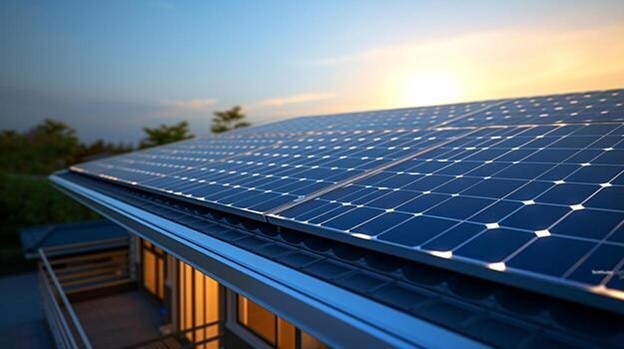
Rooftop solar for home is no longer a future idea. It is now a practical and powerful solution for cutting electricity bills and gaining energy independence in 2026. If you are planning to invest in a residential rooftop solar system, this is the right time to act. With rising grid tariffs and better government support, rooftop solar solutions for houses have become more affordable and reliable than ever. In 2026, homeowners are choosing smarter and more efficient systems. If you want a trusted partner for home solar panel installation, CellSol Energy stands out as a first choice because of its high-quality components, expert engineering, and reliable after-sales service. If you are serious about reducing your monthly bills and adding value to your property, now is the time to consult a professional and switch to rooftop solar for home. Why Rooftop Solar for Home Is a Smart Investment In 2026? Energy prices continue to rise across many regions. A solar energy system for home allows you to lock in your electricity cost for decades. Most modern residential solar power solutions come with panels that last 25 years or more. Inverters now offer better efficiency and smart monitoring features. A residential rooftop solar system also increases property value. Buyers prefer homes that already have home solar panel installation completed. It reduces their future energy cost and makes the home more attractive. On top of that, on-grid rooftop solar for home systems allow you to stay connected to the utility grid. When your system produces extra energy during the day, you can send it back through a net metering solar home system. This means you earn credits on your bill. At night, you use grid electricity as usual. This balance makes rooftop solar for home practical and stable. Types Of Rooftop Solar Systems for Homes On-Grid Rooftop Solar for Home An on-grid rooftop solar for home system connects directly to the utility grid. It does not require batteries. It is cost-effective and simple to maintain. With a net metering solar home system, you can export extra electricity and reduce your monthly bill significantly. This is the most popular residential rooftop solar system in urban areas. Off-Grid Solar Energy System for Home An off-grid solar energy system for home works independently from the utility grid. It uses batteries to store power. This option suit’s remote locations where grid supply is unstable or unavailable. It requires higher upfront investment but offers full independence. Hybrid Residential Solar Power Solutions Hybrid rooftop solar solutions for houses combine grid connection and battery backup. During power cuts, your system continues to run essential loads. In 2026, hybrid systems are gaining popularity because they offer both savings and security. Key Features of Top Rooftop Solar Systems for Homes In 2026 Smart inverters are another major upgrade. They allow you to monitor your residential rooftop solar system through a mobile app. You can track daily production, consumption, and savings in real time. Durability is also important. A good home solar panel installation uses corrosion-resistant mounting structures and weatherproof wiring. This ensures that your rooftop solar for home operates safely in heat, rain, and dust. Cost And Savings of Rooftop Solar for Home The cost of a solar energy system for home depends on size and location. In 2026, average residential rooftop solar system prices have become more competitive due to improved manufacturing and wider adoption. A 5 kW on-grid rooftop solar for home system can power an average household. With net metering solar home system benefits, you can recover your investment in 3 to 5 years, depending on local electricity rates. After that, the energy you produce is almost free. Residential solar power solutions also reduce your carbon footprint. A standard rooftop solar for home system can offset several tons of carbon dioxide over its lifetime. This makes your home environmentally responsible. What To Consider Before Home Solar Panel Installation? Before installing rooftop solar for home, evaluate your roof space and orientation. South-facing roofs in many regions receive maximum sunlight. Avoid shaded areas caused by trees or nearby buildings. Check your average monthly electricity consumption. This helps in selecting the right size residential rooftop solar system. Oversizing or under sizing reduces efficiency and savings. Also confirm net metering policies in your area. A net metering solar home system works best where clear regulations support energy export. Choose certified installers who provide warranty on panels, inverter, and workmanship. A professional home solar panel installation ensures long-term safety and performance. Final Thoughts Rooftop solar for home is no longer optional if you want control over your energy future. It saves money, increases property value, and protects you from rising tariffs. The right rooftop solar solutions for houses can serve your family for decades. If you are ready to switch to a reliable solar energy system for home, consult professionals who understand design, compliance, and net metering solar home system processes. CellSol Energy provides tailored residential solar power solutions with expert guidance and quality assurance. Take the next step today and invest in rooftop solar for home that secures your savings and supports a cleaner future. FAQs How Long Does a Rooftop Solar for Home System Last? Most solar panels in a residential rooftop solar system last 25 to 30 years. Inverters usually last 8 to 15 years and may need replacement once during the system’s life. Is On-Grid Rooftop Solar for Home Better Than Off-Grid? For most urban homes, on-grid rooftop solar for home is better because it is more affordable and supports net metering solar home system benefits. Off-grid systems are ideal for remote areas. How Much Maintenance Does a Solar Energy System for Home Need? Maintenance is minimal. You need to clean panels a few times a year and check wiring during routine inspection. Proper home solar panel installation reduces maintenance issues. Can I Run All Appliances on Residential Solar Power Solutions? Yes, if your system is sized correctly. A well-designed residential rooftop solar system can power lights, fans, air
24 Feb
How To Reduce Load Shedding Impact With Solar For Flour Mills
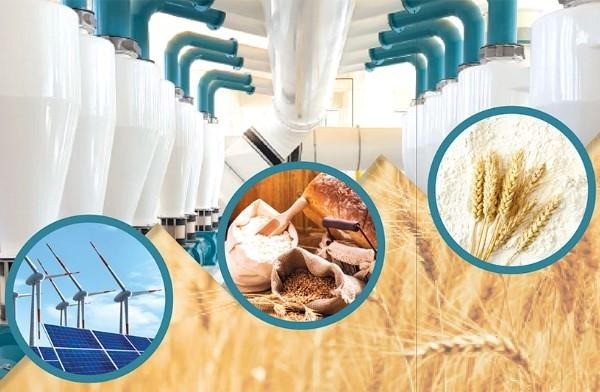
Industrial solar for flour mills is no longer a luxury; it is a survival strategy when load shedding disrupts production and damages profit margins. If you run a flour mill, you already know how power cuts stop grinding lines, delay packaging, and affect delivery schedules. The right solar strategy can protect your operations and keep your machines running smoothly. If you want stable production and predictable energy costs, now is the time to act. Partnering with a reliable expert like CellSol Energy can help you design a system that matches your mill’s real demand. Take control of your power today and secure your output for the long term. Why Load Shedding Hurts Flour Mills More Than Other Industries Flour mills rely on continuous processes. From cleaning and conditioning wheat to grinding and sifting, each stage depends on steady electricity. When the grid fails: Roller mills shut down instantly Grain elevators stop moving Packaging lines freeze mid-cycle Motors face stress during repeated restarts This leads to production loss, higher maintenance costs, and delayed shipments. In the food sector, delays also affect brand trust. That is why industrial solar for flour mills is gaining momentum. It provides reliable on-site power and reduces dependency on unstable grids. Industrial Solar for Flour Mills Industrial solar for flour mills involves installing large-scale photovoltaic systems designed to meet heavy motor loads and 24/7 operations. These systems are customized based on: Total connected load Peak demand hours Available rooftop or ground space Future expansion plans A properly designed solar power plant for flour processing units can offset 50–80% of daytime consumption. With battery backup or hybrid systems, you can further reduce downtime during outages. On-Site Solar Generation for Mills On-site solar generation for mills captures sunlight through photovoltaic panels installed on rooftops or adjacent land. The system converts sunlight into usable electricity, which powers motors, conveyors, and other equipment directly. Key components include: High-efficiency solar panels Industrial-grade inverters Smart monitoring systems Optional battery storage This setup ensures clean and stable energy supply. It also reduces reliance on diesel generators, which are costly and polluting. Rooftop Solar Systems for Food Industry Facilities Most flour mills have large, unused rooftops. These surfaces are ideal for rooftop solar systems for food industry facilities. Installing panels on rooftops saves land space and reduces installation costs. Benefits include: Lower electricity bills Reduced heat absorption in buildings Long system lifespan (20-25 years) Minimal maintenance For mills located in sunny regions, rooftop systems can generate significant daytime energy. This aligns perfectly with grinding shifts. Solar Energy Solutions for Grain Mills and Wheat Processing Units Solar energy solutions for grain mills must handle heavy motor loads. Roller mills, pneumatic systems, and sifters consume high power. That is why system sizing must be accurate. A professional assessment ensures: Proper inverter capacity Load balancing Voltage stability Safe integration with grid supply When done right, renewable energy for wheat mills improves operational stability and cuts energy expenses for decades. Energy Efficiency Solutions for Flour Factories Industrial solar for flour mills works best when combined with energy efficiency solutions for flour factories. Before installing solar, you should: Upgrade to energy-efficient motors Install variable frequency drives (VFDs) Improve power factor correction Optimize production scheduling These steps reduce overall demand. A lower demand means a smaller solar plant can meet a higher percentage of your needs. Solar Installation for FMCG Manufacturing and Flour Mills Flour mills fall under the broader FMCG manufacturing sector. Solar installation for FMCG manufacturing must meet strict safety and hygiene standards. Panels and wiring should not interfere with ventilation or sanitation protocols. A professional installer ensures: Compliance with electrical safety standards Proper structural analysis of rooftops Fire safety measures Seamless integration with existing panels This makes industrial solar for flour mills safe and compliant. Financial Benefits of Industrial Solar for Flour Mills Switching to industrial solar for flour mills is not just about avoiding load shedding. It is also about long-term savings. You benefit from: Reduced monthly electricity bills Protection from tariff hikes Faster return on investment (often 3-5 years) Increased property value Many regions also offer net metering. This allows mills to export excess power to the grid and earn credits. Choosing The Right Solar Partner Not every solar provider understands the unique load pattern of flour mills. You need a partner with industrial experience and technical depth. CellSol Energy stands out as a top choice for industrial solar for flour mills because it designs customized systems for heavy-duty manufacturing units. The company focuses on long-term performance, safety, and measurable savings. Before signing any agreement, ask for: Detailed load analysis ROI projections Warranty details Maintenance plans This protects your investment. Final Thoughts Industrial solar for flour mills gives you control over your operations in times of load shedding. It reduces downtime, lowers costs, and supports sustainable growth. With on-site solar generation for mills and energy efficiency solutions for flour factories, you can build a reliable energy backbone. If you are ready to reduce power disruptions and secure your production, consult CellSol Energy today. Take action now and transform your mill into a resilient, energy-smart facility. FAQs How Much Solar Capacity Does a Flour Mill Need? The required capacity depends on your connected load and daily energy consumption. A medium-sized flour mill may require anywhere between 200 kW to 1 MW of solar capacity. A proper energy audit provides accurate sizing. Can Solar Fully Replace Grid Electricity in Flour Mills? Solar can offset a major portion of daytime usage. However, for complete independence, you may need battery storage or a hybrid system. Most mills use a grid-tied system with net metering. What Is the Average Payback Period for Industrial Solar for Flour Mills? The average payback period ranges from 3 to 5 years, depending on system size, electricity tariffs, and available incentives. Is Solar Safe for Food Processing Environments? Yes. Properly installed rooftop solar systems for food industry facilities meet electrical and safety standards. They do not interfere with hygiene protocols. Does Solar Work During Load
15 Feb
Top Solar Energy Solutions For Steel Industry In 2026
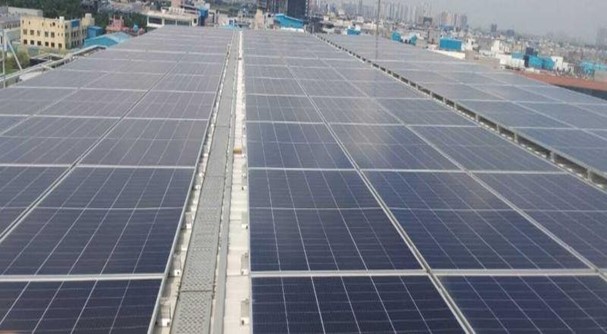
Solar energy for steel industry is no longer a future concept. It is a practical and profitable solution in 2026. Steel plants consume massive amounts of electricity every day. From melting scrap to running rolling mills, energy demand never stops. This is why solar energy for steel industry is becoming a top priority for plant owners who want stability, savings, and sustainability. You already know that energy prices are volatile. Grid dependency increases operational risk. At the same time, global buyers are demanding green energy for steel production. If you want to stay competitive, you must act now. This is where CellSol Energy stands out as a first choice for reliable and scalable solar integration. The company delivers advanced solar PV systems for heavy manufacturing with proven technical expertise. If you are planning to shift toward solar energy for steel industry, now is the time to consult a trusted partner and move forward. Let us explore the top solar energy solutions for steel industry in 2026 and how you can implement them. Why Solar Energy For Steel Industry Is Critical In 2026 The steel sector is one of the most energy-intensive industries in the world. According to the International Energy Agency, heavy industries account for a large share of global energy consumption and carbon emissions. Steel production alone contributes significantly to industrial CO₂ emissions. This creates two pressures for you: Rising electricity costs Increasing carbon regulations Solar energy for steel industry directly addresses both challenges. By adopting renewable energy solutions for metal industry operations, you reduce grid dependence and lower long-term operating costs. At the same time, you improve compliance with environmental standards and enhance brand value. Captive Solar Power For Steel Plants Captive solar power for steel plants is one of the most practical solutions in 2026. In this model, you generate electricity within your own premises or through a dedicated off-site solar plant. Here is why it works well: Steel plants have large rooftop and open land areas Daytime production aligns with peak solar generation Long-term power purchase agreements reduce risk Captive solar power for steel plants ensures stable energy pricing for 20–25 years. That is a major advantage in an industry where margins fluctuate. Many steel producers are now installing multi-megawatt solar systems to power furnaces, compressors, and auxiliary equipment. Industrial Solar Power for Foundries Foundries require consistent power for melting and molding operations. Industrial solar power for foundries can significantly reduce reliance on fossil-fuel-based electricity. In 2026, hybrid systems are gaining popularity. These systems combine: Solar PV Battery storage Grid backup With proper system design, you can maintain uninterrupted production even during peak load hours. Solar integration in rolling mills and foundries also helps reduce peak demand charges, which are often a major cost burden. Solar PV Systems for Heavy Manufacturing Solar PV systems for heavy manufacturing have evolved rapidly. Modern panels offer higher efficiency and better durability. Advanced inverters allow smart monitoring and energy optimization. For steel plants, the key applications include: Rooftop solar on fabrication units Ground-mounted solar farms within industrial zones Solar carports and shed-mounted installations These systems are engineered to withstand dust, heat, and harsh industrial conditions. With proper cleaning and maintenance, performance remains stable for decades. Solar energy for steel industry is not just about installing panels. It is about smart integration with existing electrical infrastructure. Load analysis, transformer capacity, and demand profiling must be assessed carefully. Solar Integration in Rolling Mills Solar integration in rolling mills requires technical planning. Rolling mills operate with fluctuating loads. This makes energy management critical. You can use solar energy during: Pre-heating processes Cooling systems Material handling equipment When combined with energy management systems, solar power helps balance loads and reduce grid draw during peak hours. This improves efficiency and supports carbon footprint reduction in steel plants. Green Energy for Steel Production and Carbon Footprint Reduction Global buyers are increasingly demanding green energy for steel production. Automotive, construction, and infrastructure sectors prefer low-carbon steel. According to the World Steel Association, the steel industry is actively working toward emission reduction targets. Solar energy for steel industry plays a direct role in this transition. By adopting renewable energy solutions for metal industry processes, you can: Cut Scope 2 emissions Improve ESG ratings Strengthen export competitiveness Carbon footprint reduction in steel plants is no longer optional. It is becoming a market requirement. Financial Benefits of Solar Energy for Steel Industry Beyond sustainability, the financial logic is strong. You benefit from: Lower electricity bills Protection from tariff hikes Government incentives in many regions Faster return on investment In many cases, payback periods range from 3 to 5 years, depending on system size and incentives. After that, you enjoy low-cost power for decades. Solar energy for steel industry also increases asset value. Plants powered by renewable energy solutions for metal industry operations attract investors and global partners. How To Choose the Right Solar Partner You should never treat industrial solar as a basic installation project. Steel plants have complex electrical systems. You need a partner with deep engineering knowledge and experience in heavy manufacturing environments. Look for: Proven industrial solar portfolio In-house design and engineering Strong after-sales support Compliance with safety standards The right partner ensures that your transition to solar energy for steel industry is smooth and risk-free. Final Thoughts Solar energy for steel industry is not just a trend. It is a strategic move. If you want cost control, regulatory compliance, and global competitiveness, you must adopt renewable energy solutions for metal industry operations now. In 2026, leaders are not waiting. They are investing in captive solar power for steel plants, industrial solar power for foundries, and smart solar integration in rolling mills. If you are ready to reduce your carbon footprint and secure long-term savings, CellSol Energy can guide you with tailored solar PV systems for heavy manufacturing. Take action today. Evaluate your plant’s energy profile and start building a cleaner and stronger future with solar energy for steel industry. FAQs Is Solar Energy Reliable for
08 Feb
Top Turnkey Solar Project Providers in Pakistan
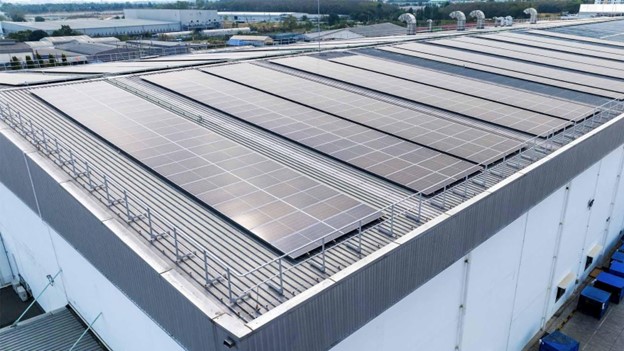
Turnkey solar projects Pakistan are transforming how businesses, factories, and institutions manage rising electricity costs and power shortages. If you are planning to invest in a complete solar power solution, you need a provider that handles everything, from design and approvals to installation and commissioning, without burdening you with technical stress. In the growing market of turnkey solar projects Pakistan, CellSol Energy stands out as a trusted partner delivering reliable and efficient solutions across the country. If you want a smooth transition to solar with expert handling at every stage, now is the right time to consult a professional team and secure your energy future. Why Turnkey Solar Projects Pakistan Are in High Demand Electricity tariffs in Pakistan continue to increase. Grid instability also affects production schedules and commercial operations. This is why turnkey solar projects Pakistan are gaining rapid attention in industrial and commercial sectors. A turnkey model means one company manages: Site assessment Solar engineering procurement construction Pakistan Equipment sourcing Installation and testing Net metering approvals After-sales support You deal with a single EPC solar company in Pakistan instead of coordinating with multiple vendors. That reduces risk, saves time, and ensures accountability. What Makes a Reliable EPC Solar Company in Pakistan? Choosing the right EPC solar company in Pakistan is critical. A strong provider offers complete solar power plant installation Pakistan with technical precision and regulatory compliance. Here are key qualities you should look for: Technical Expertise A reliable EPC solar company in Pakistan must have certified engineers who understand system sizing, load analysis, and grid-tied solar systems Pakistan. Proper system design directly impacts performance and return on investment. Proven Project Experience Turnkey solar projects Pakistan require practical field knowledge. Industrial solar contractors Pakistan should demonstrate completed projects in manufacturing units, warehouses, hospitals, and commercial buildings. Quality Components Solar engineering procurement construction Pakistan must include Tier-1 solar panels, high-efficiency inverters, and durable mounting structures. Low-quality components reduce plant life and efficiency. Regulatory Compliance Grid-tied solar systems Pakistan must comply with NEPRA and DISCO regulations. A professional company manages documentation and net metering approvals smoothly. Scope of Complete Solar Power Plant Installation Pakistan When you choose turnkey solar projects Pakistan, you are investing in a full lifecycle solution. A proper complete solar power plant installation Pakistan includes several structured phases. Feasibility and Site Survey The process begins with technical evaluation. Engineers assess rooftop strength, shading patterns, transformer capacity, and energy consumption trends. System Design and Financial Modeling Solar project development services Pakistan include system design using simulation tools. You receive a clear financial projection, including ROI, payback period, and energy yield. Procurement and Construction Solar engineering procurement construction Pakistan ensures timely delivery of panels, inverters, cables, and mounting systems. Industrial solar contractors Pakistan execute installation with safety standards. Commissioning and Grid Integration Grid-tied solar systems Pakistan require inspection and synchronization with the national grid. Proper testing ensures optimal generation and compliance. Commercial Solar Solutions Pakistan for Growing Businesses Commercial solar solutions Pakistan are ideal for shopping malls, offices, schools, and hospitals. These systems reduce operational costs and improve sustainability branding. Turnkey solar projects Pakistan for commercial setups typically range from 50 kW to several megawatts. With net metering, excess energy is exported back to the grid, reducing monthly bills further. When you invest in complete solar power plant installation Pakistan, you protect your business from unpredictable electricity hikes. Industrial Solar Contractors Pakistan for Large-Scale Projects Industrial solar contractors Pakistan handles high-capacity systems for factories and manufacturing plants. These projects often demand: Heavy-duty mounting structures High-capacity inverters Detailed load management planning Integration with backup systems Turnkey solar projects Pakistan for industries help reduce dependence on generators and imported fuels. This leads to stable production cycles and lower carbon emissions. Importance of Grid-Tied Solar Systems Pakistan Grid-tied solar systems Pakistan are the most common choice for commercial and industrial clients. These systems connect directly to the national grid and allow net metering. Benefits include: Reduced electricity bills No need for expensive battery storage Higher system efficiency Government-approved billing adjustments Turnkey solar projects Pakistan that include proper grid-tied integration provide faster payback compared to off-grid systems. Solar Project Development Services Pakistan: Long-Term Value Solar project development services Pakistan go beyond installation. A professional provider ensures: Performance monitoring Routine maintenance Warranty management System optimization Turnkey solar projects Pakistan must include after-sales service. Without maintenance, even a high-quality system can lose efficiency over time. When selecting an EPC solar company in Pakistan, always confirm their O&M (Operations and Maintenance) capabilities. How to Choose Among Top Turnkey Solar Project Providers in Pakistan To identify the Top Turnkey Solar Project Providers in Pakistan, focus on: Transparent pricing Detailed project proposals Clear timelines Strong technical team Positive client feedback Do not choose based on price alone. Turnkey solar projects Pakistan require precision. A poorly designed system can cost you more in the long run. Invest wisely. Ask questions. Review past projects. Make a decision based on long-term performance. Final Thoughts Turnkey solar projects Pakistan are no longer optional for serious businesses. They are a strategic investment for cost control and energy independence. Among the Top Turnkey Solar Project Providers in Pakistan, CellSol Energy remains a dependable choice for businesses seeking complete solar power plant installation Pakistan with professional solar engineering procurement construction Pakistan services. If you want reliable commercial solar solutions Pakistan or industrial-scale systems, take action today and consult a qualified EPC solar company in Pakistan to start your transition toward clean energy. Your energy costs will keep rising. Your decision to switch to solar should not wait. FAQs What is turnkey solar projects Pakistan? Turnkey solar projects Pakistan refers to complete solar solutions where one company manages design, procurement, installation, approvals, and commissioning under a single contract. How long does complete solar power plant installation Pakistan take? Project timelines depend on system size. A commercial system may take 4 to 8 weeks, while large industrial projects may take several months including regulatory approvals. Is grid-tied solar systems Pakistan eligible for net metering? Yes. Grid-tied
06 Feb
Top Cotton Mill Solar Solutions To Reduce Energy Costs In 2026
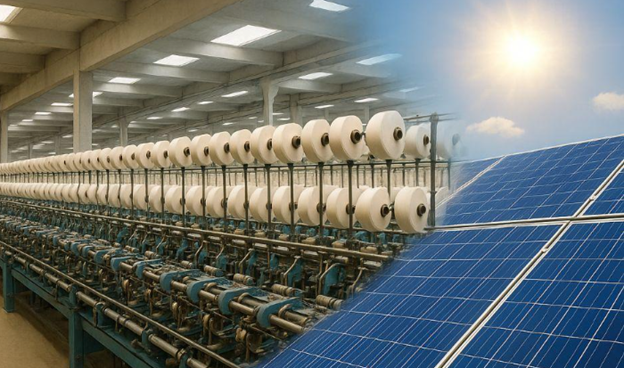
Cotton mill solar solutions are becoming the most practical way to control rising electricity bills in 2026. If you run a spinning or weaving unit, you already know how high your monthly power costs can go. From carding machines to looms and dyeing units, energy never stops flowing. That is why many mill owners now turn to cotton mill solar solutions to secure stable and affordable power. In today’s competitive textile market, you cannot afford unpredictable utility rates. This is where CellSol Energy stands out as a trusted first choice for cotton mill solar solutions. Their team understands the real energy load of spinning mills and processing units. If you are serious about energy cost reduction in cotton mills, now is the right time to act. Get a customized solar assessment and see how much you can save. Why Cotton Mill Solar Solutions Are Essential In 2026? The textile industry runs on heavy machinery. Motors, compressors, humidification plants, and lighting systems consume massive electricity. In many regions, grid tariffs continue to increase year after year. Cotton mill solar solutions help you fix your energy cost for decades. Once your system is installed, sunlight becomes your free fuel. This shift supports renewable energy for textile industry growth and protects your margins. You also improve your brand image. Global buyers now prefer suppliers who use renewable energy for textile industry operations. A solar-powered mill is not just cost-efficient. It is future-ready. Rooftop Solar for Spinning Mills Most spinning mills have wide, unused rooftops. Rooftop solar for spinning mills converts that space into a power plant. Large sheds are ideal for installing high-capacity solar panels. With proper structural assessment, rooftop solar for spinning mills can generate a significant share of your daily demand. During peak daylight hours, your mill can run mainly on solar energy. This reduces dependency on expensive grid electricity. If your load matches daylight production, you will see quick energy cost reduction in cotton mills. Modern panels also last 25 years or more, which makes rooftop solar a long-term asset. Solar Panels for Cotton Processing Units Solar panels for cotton processing units are designed to handle industrial-scale requirements. Processing units, including ginning and pressing sections, often operate for long hours. High-efficiency solar panels for cotton processing units can offset daytime consumption. Combined with inverters and monitoring systems, you can track real-time production and savings. When you install solar panels for cotton processing units, you also reduce carbon emissions. Many textile exporters now report their sustainability data to international buyers. Solar helps you meet those expectations. On-Grid Solar for Garment Factories On-grid solar for garment factories connects directly to the utility network. This setup allows you to use solar power first and draw grid power when needed. If your state offers net metering, on-grid solar for garment factories lets you export excess electricity back to the grid. This improves your overall return on investment. On-grid systems require less maintenance compared to hybrid systems with batteries. For mills that operate mainly during the day, this is often the most cost-effective option. Industrial Solar Installation for Mills Industrial solar installation for mills starts with a detailed energy audit. You must understand your connected load, peak demand, and daily usage pattern. A proper industrial solar installation for mills includes: Load analysis Structural inspection of rooftops Selection of high-quality panels and inverters Safety compliance and grid approvals When done right, industrial solar installation for mills can reduce your electricity bill by 30% to 60%, depending on system size and usage. Solar Power Systems for Textile Mills Solar power systems for textile mills are not just about saving money this year. They protect you from future tariff hikes. Electricity prices rarely go down. Solar helps you lock in a stable cost. Most solar power systems for textile mills recover their cost within 3 to 5 years. After that, the electricity you generate is almost free, apart from minor maintenance. You also gain tax benefits and possible government incentives, depending on your region. Over 20 to 25 years, the cumulative savings can be massive. Energy Cost Reduction in Cotton Mills Energy cost reduction in cotton mills depends on system size and operational hours. Mills that run mostly during the day benefit the most. You should not expect zero electricity bills. Instead, focus on partial offset. Even a 40% reduction can improve your profit margin significantly. Cotton mill solar solutions also protect you from power outages. When combined with backup systems, they ensure smoother operations. Final Thoughts Cotton mill solar solutions are no longer optional if you want strong margins in 2026. Rising tariffs, global sustainability demands, and competitive pressure make solar a smart move. If you are ready to invest in rooftop solar for spinning mills or full-scale solar power systems for textile mills, now is the time to consult experts. CellSol Energy can guide you through every step, from design to commissioning. Take action today and secure long-term energy cost reduction in cotton mills with a tailored solar plan built for your industry. FAQs How Much Capacity Do Cotton Mill Solar Solutions Require? Capacity depends on your total connected load and daily consumption. A medium-sized spinning mill may need anywhere from 500 kW to several megawatts. A professional energy audit will give you accurate figures. Are Solar Power Systems for Textile Mills Reliable During Cloudy Weather? Yes. Solar power systems for textile mills still generate electricity on cloudy days, though output is lower. Since on-grid solar for garment factories stays connected to the utility, your operations remain uninterrupted. What Is the Lifespan of Solar Panels for Cotton Processing Units? Most high-quality solar panels for cotton processing units last 25 years or more. Inverters may need replacement after 10 to 12 years. Is Industrial Solar Installation for Mills Disruptive? Industrial solar installation for mills usually takes place on rooftops. Daily operations continue with minimal disturbance. Planning and scheduling reduce downtime. How Soon Can You See Energy Cost Reduction in Cotton Mills? Savings start from the first
04 Feb
Top 5 Sineng Inverters for Industrial Solar in 2026
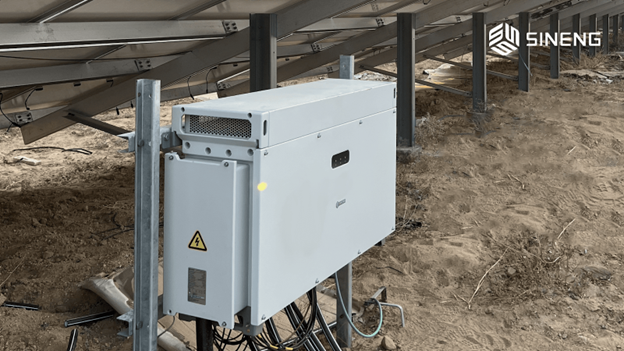
Sineng inverter for industrial solar solutions have become a reliable choice for large-scale energy systems as industries move toward cost-efficient and sustainable power generation. If you are planning to upgrade or install an industrial solar setup in 2026, choosing the right inverter is one of the most important decisions you will make. A high-performance inverter ensures stable output, improved efficiency, and long-term savings for factories, warehouses, and commercial facilities. You need equipment that performs consistently under demanding conditions, and this is where Sineng technology stands out. As a trusted provider of advanced solar solutions, CellSol Energy helps businesses select the right Sineng systems tailored to industrial requirements across Pakistan. If you are considering upgrading your solar infrastructure, now is the right time to consult experts and optimize your investment for long-term performance. Why Choose a Sineng Inverter for Industrial Solar Systems? A Sineng industrial solar inverter is designed specifically for high-capacity installations. Unlike residential inverters, industrial models handle higher voltage loads and operate efficiently across varying environmental conditions. Here is why industries increasingly prefer Sineng: High conversion efficiency exceeding 98% Advanced grid support functions Strong protection against voltage fluctuations Scalable architecture for solar plants Remote monitoring and smart diagnostics These features make a Sineng inverter for solar plants suitable for manufacturing units, agricultural processing facilities, and utility-scale installations. Key Features of Utility Scale Solar Inverter Sineng Technology When selecting a utility scale solar inverter Sineng, you should understand the technologies that improve operational reliability. Intelligent Cooling System Industrial environments generate heat. Sineng inverters use smart air-cooling or liquid-cooling mechanisms to maintain optimal operating temperatures. This extends equipment lifespan and reduces downtime. Grid Stability Support A Sineng grid-tied inverter Pakistan setup helps maintain grid balance. The inverter supports reactive power control and fault ride-through capability, ensuring uninterrupted operation even during grid disturbances. Advanced Monitoring and Diagnostics You can monitor performance in real time through digital platforms. Predictive maintenance alerts help reduce operational risks and maintenance costs. Top Sineng Inverters for Industrial Solar in 2026 Below are some of the most reliable models widely used in industrial and commercial solar projects. Sineng SP-250K-H String Inverter This model is ideal for medium-to-large industrial installations. It delivers high efficiency while maintaining flexible system design. Key highlights: Up to 250 kW output capacity Excellent performance in high-temperature regions Suitable for Sineng string inverter industrial use It works well for factories and logistics hubs requiring scalable energy solutions. Sineng SP-275K-M Smart Industrial Inverter The SP-275K-M is known for strong grid compatibility and intelligent monitoring. Benefits include: Enhanced MPPT tracking accuracy Reduced energy loss during peak production Reliable Sineng inverter for commercial solar applications This inverter performs efficiently in Pakistan’s varying climate conditions. Sineng EP-3125-H Central Inverter For large solar farms, this central inverter provides exceptional performance. Main advantages: Designed for utility-scale plants High power density Stable output for continuous industrial operations It is frequently used in large Sineng inverter for solar plants installations. Sineng SP-350K-H Utility String Inverter This inverter combines flexibility with high power output. Why industries prefer it: Modular design simplifies maintenance Higher DC/AC ratio compatibility Excellent performance as a Sineng grid-tied inverter Pakistan It suits export-oriented manufacturing facilities with high electricity demand. Sineng EP-4400-HV Central Solution This heavy-duty inverter supports massive solar generation projects. Key features: Ideal for mega industrial zones Advanced fault protection system Proven reliability as a utility scale solar inverter Sineng It is commonly deployed in large energy infrastructure projects. Choosing the Right Sineng Inverter Distributor Pakistan Selecting the right equipment is only half the process. You also need a reliable Sineng inverter distributor Pakistan to ensure proper installation, warranty support, and technical guidance. A professional distributor helps you: Analyze load requirements accurately Design optimized solar layouts Ensure compliance with grid standards Provide after-sales technical support Working with experienced suppliers reduces risks and ensures long-term system performance. Industrial Applications of Sineng Inverter for Commercial Solar A Sineng inverter for industrial solar setup supports multiple sectors, including: Textile manufacturing units Cold storage facilities Cement and steel industries Shopping malls and commercial complexes Agricultural processing plants Because industrial operations run for long hours, stable inverter performance directly impacts operational costs and productivity. Final Thoughts Choosing the right Sineng inverter for industrial solar can significantly improve energy efficiency and reduce operational costs for your business. The models listed above represent some of the most dependable solutions available in 2026, suitable for both commercial and utility-scale projects. If you want reliable system design, authentic products, and professional support, CellSol Energy remains a trusted partner for industrial solar solutions in Pakistan. Reach out today to explore customized Sineng inverter options and take the next step toward sustainable energy independence. FAQs What makes a Sineng inverter suitable for industrial solar projects? Sineng inverters are built for high-capacity energy systems. They offer strong grid compatibility, high efficiency, and advanced protection features required for industrial operations. Is a Sineng grid-tied inverter Pakistan compatible with local power infrastructure? Yes. Sineng inverters are designed to comply with international grid standards and work effectively with Pakistan’s electrical infrastructure. How long does a Sineng industrial solar inverter last? Most Sineng industrial inverters have an operational lifespan of 10-15 years or more with proper maintenance and monitoring. Can Sineng inverters support large solar plants? Absolutely. A Sineng inverter for solar plants is specifically engineered for utility-scale and large commercial installations. Why choose an authorized Sineng inverter distributor Pakistan? Authorized distributors ensure genuine products, professional installation, warranty coverage, and ongoing technical support, which protects your investment long term.
02 Feb
How to Choose the Best Off-Grid Solar Inverter in Pakistan 2026
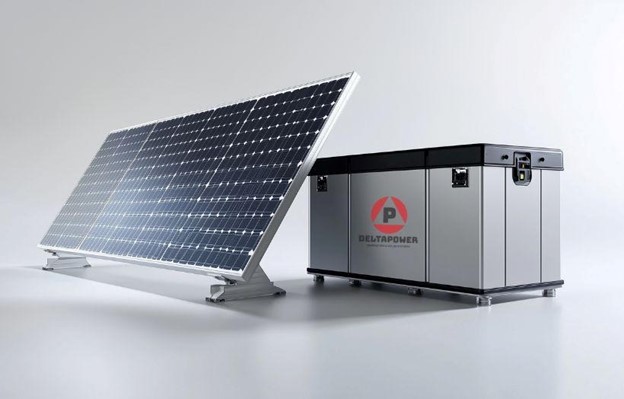
Off-grid solar inverter Pakistan solutions are becoming essential as electricity prices rise and load shedding still affects many areas. If you live in a remote village or want freedom from the grid, choosing the right off-grid solar inverter Pakistan system is one of the most important decisions you will make in 2026. An off-grid solar inverter Pakistan setup works without WAPDA. It stores solar energy in batteries and powers your home day and night. But not every solar inverter for off-grid systems performs the same. You need the right size, the right technology, and reliable support. If you want expert guidance and genuine products, CellSol Energy should be your first stop. Talk to their team today and get a customized solution that fits your load and budget. Why Off-Grid Solar Inverter Pakistan Systems Are Growing in 2026? Energy demand in Pakistan keeps increasing. Many rural areas still face unstable supply. Even urban areas struggle with rising bills. That is why standalone solar inverter Pakistan systems are in high demand. An off-grid solar inverter Pakistan setup gives you: Full independence from the national grid Protection from power cuts Long-term savings on electricity bills Clean and renewable energy With better battery technology and improved solar panels, battery based solar inverter Pakistan systems are more efficient than ever before. Types of Off-Grid Solar Inverter Pakistan Systems Before you compare the off-grid solar inverter price Pakistan offers, you must understand the types available. Pure Off-Grid Solar Inverter A pure off-grid solar inverter Pakistan system works completely without the grid. It charges batteries using solar panels and supplies power through stored energy. This option is ideal for remote farms, villages, and off-grid homes. Hybrid and Off-Grid Inverter Pakistan Models Hybrid and off-grid inverter Pakistan systems combine solar, batteries, and grid power. Even if you plan to go fully off-grid, hybrid systems give you flexibility. You can add grid support later if needed. When selecting the best off-grid inverter in Pakistan, always check whether the inverter supports lithium-ion and tubular batteries. Check Your Load Before Buying a Solar Inverter for Off-Grid Systems Many people make a common mistake. They buy an inverter without calculating their load. You should list: Fans Lights Refrigerator AC units Water pump TV and appliances Add the total wattage. Then choose an off-grid solar inverter Pakistan system that can handle 20-30% extra load for safety. For example, if your total load is 3000 watts, choose a 4kW battery based solar inverter Pakistan system. This ensures smooth performance and protects the inverter from overload Battery Compatibility Matters An off-grid solar inverter Pakistan system depends heavily on batteries. If the batteries are weak, your system will fail at night. You should check: Battery type (lead-acid or lithium) Battery capacity (Ah rating) Charging efficiency Backup time Lithium batteries cost more, but they last longer and charge faster. Tubular batteries are cheaper and widely used in Pakistan. When comparing off-grid solar inverter price Pakistan listings, do not ignore battery quality. A cheap inverter with poor battery support will cost you more in the long run. Efficiency and MPPT Technology The best off-grid inverter in Pakistan should include MPPT (Maximum Power Point Tracking) technology. MPPT improves solar panel efficiency and extracts maximum energy during the day. Look for: High efficiency rating (above 90%) Pure sine wave output Strong overload protection Temperature protection system A high-quality solar inverter for off-grid systems ensures stable voltage. This protects your appliances from damage. Warranty and After-Sales Support Many solar inverter suppliers Pakistan operate without proper service centers. That can create serious issues later. Before buying an off-grid solar inverter Pakistan system, confirm: Warranty duration Local service center availability Spare parts availability Technical support Reliable solar inverter suppliers Pakistan always provides written warranties and clear service policies. Compare Off-Grid Solar Inverter Price Pakistan 2026 The off-grid solar inverter price Pakistan market varies based on: Brand Capacity (1kW to 10kW+) Battery compatibility Hybrid features In 2026, small standalone solar inverter Pakistan systems may start from mid-range pricing for basic home loads. Larger battery based solar inverter Pakistan systems for full homes cost more due to battery banks and higher capacity. Do not choose only based on price. Focus on performance, durability, and long-term value. Choose a Trusted Supplier You need a trusted partner when investing in an off-grid solar inverter Pakistan system. Installation quality matters as much as the inverter itself. Work with experienced solar inverter suppliers Pakistan who: Conduct site surveys Design customized systems Provide proper installation Offer after-sales service This ensures your solar inverter for off-grid systems runs efficiently for years. Final Thoughts Choosing the best off-grid solar inverter Pakistan system in 2026 requires planning. You must calculate your load, select the right battery type, compare off-grid solar inverter price Pakistan options wisely, and choose reliable solar inverter suppliers Pakistan. Do not rush this decision. A well-selected standalone solar inverter Pakistan system gives you energy freedom for years. If you want professional advice and a properly designed solar inverter for off-grid systems, contact CellSol Energy today and take the first step toward energy independence. FAQs What Is the Difference Between Off-Grid and Hybrid Inverters? An off-grid solar inverter Pakistan system works without the grid. A hybrid and off-grid inverter Pakistan system can use solar, battery, and grid power together. What Is the Average Off-Grid Solar Inverter Price Pakistan in 2026? The off-grid solar inverter price Pakistan depends on capacity and battery type. Small 1-2kW systems cost less, while complete 5-10kW battery based solar inverter Pakistan systems cost significantly more due to battery banks. How Long Do Off-Grid Solar Inverters Last? A good off-grid solar inverter Pakistan system lasts 8-12 years. Batteries may need replacement earlier, depending on usage. Which Is the Best Off-Grid Inverter in Pakistan? The best off-grid inverter in Pakistan depends on your load and budget. Always choose a model with MPPT, pure sine wave output, and strong warranty support. Can I Run AC on a Standalone Solar Inverter Pakistan System? Yes, but you need a higher capacity