Toll Free: +92-0311-17778-65
1 Column Sidebar - Cellsol Energy
21 Oct
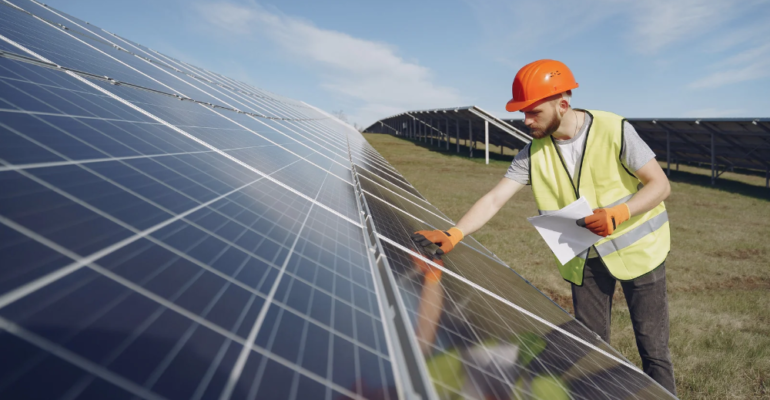

How Solar Energy Consultants in Lahore Help Businesses Plan the Right Solar System
Say you own a small factory in Lahore. Your bill hit Rs. 800,000 last month. A salesman offers you a solar system. The price looks fine. But is the size, right? Are the panels good? Nobody has checked your roof. This is where solar energy consultants in Lahore come in. They look at the whole job before you spend a rupee. So, What Does a Consultant Do? Think of a doctor. A doctor checks you first. Then comes the treatment. A consultant works the same way. They study how your business uses power. They visit your site. Then they tell you what size and type of system makes sense. They can also help you pick an installer you can trust. Some consultants only advise. Others, like our team at CellSol Energy, plan and install too. Either way, the advice comes first. What Happens When You Skip the Plan I’ve seen owners buy a system in a hurry. A few months later, the bill barely moved. Or the inverter kept tripping. Or half the panels sat in shade. These are common mistakes: The system is too small, so bills stay high The system is too big, so money sits idle The panels are cheap and lose power fast A water tank or a wall blocks the sun Fixing them later costs more than planning right. How a Consultant Plans Your System They Start with Your Bills You hand over 12 months of bills. The consultant looks for patterns. When is your peak? How much power do you use in the day? Which machines pull the most? Solar works best when your use matches the sun. So, this check matters a lot. Then They Visit Your Roof Photos don’t tell the full story. A site visit does. The consultant checks: How strong the roof is How much free space you have Where shade falls during the day Which way the roof faces In Lahore, panels usually face south. A tilt near 30 degrees suits our location. They Pick the Right Size Bigger isn’t always better. The consultant sizes the system to your daytime load and your roof space. They also ask about your plans. Adding a new machine next year? Tell them. They can leave room to expand. They Choose the System Type You have three options. On-grid costs less. It suits businesses that run in the day. Hybrid adds batteries. It helps if load shedding hurts your work. Off-grid runs on batteries alone. It’s rare in cities. Most Lahore businesses go with on-grid or hybrid. They Check the Equipment Panels, inverters, frames, and cables all matter. A weak part can ruin a good design. Ask your consultant about brands and warranties. Ask who fixes things if they break. Get the answers in writing. They Give You Real Numbers You should see the full cost. You should also see the expected savings and payback time. If someone gives you only a price, ask for more. They Handle the Rules Net metering needs approval from the power company. NEPRA sets the rules. Those rules have changed recently, so old advice may be wrong. A consultant stays on top of this and helps with the forms. Lahore Is Not Like Other Cities Our weather affects solar. A plan made for another city might not fit here. Smog. It hangs over Lahore every winter. Sunlight drops, and so does output. Dust. It builds up fast on panels. Plan for regular cleaning. Heat. In peak summer, panels run hotter. That cuts efficiency a little. Good spacing and airflow help. A local consultant knows all this. It shows up in their design. Why Hire One? You get advice from someone who isn’t just trying to sell you panels. You also save time. And you’re less likely to pay for a mistake. Other benefits: Better quotes, since you know what to ask for A system sized for your real needs Less stress with paperwork A clear service plan after install How to Choose a consultant Don’t just pick the lowest price. Ask a few direct questions. How many projects have you finished in Lahore? Do engineers handle the design? Can I visit a past site? What do your warranties cover? Who do I call when something goes wrong? Watch out for promises like “zero bill” or “guaranteed savings.” Real results depend on your site. An honest consultant will say so. Planning With CellSol Energy CellSol Energy is a solar company in Lahore. Our team has engineers, qualified technicians, and solar consultants. We begin with your bills and a visit to your roof. Then we design a system that fits your load and your budget. You’ll know what you’re paying for. No surprises. Conclusion Solar can save you a lot over 25 years. But the savings start with the plan. If you’re thinking about solar, begin with a review of your bills. It takes little time. It can save you from a big mistake. FAQs How much do solar energy consultants in Lahore charge? It varies. Some offer a free survey if you install with them. Others charge a fee. Ask before you book. Do I need a consultant for a small system? It still helps. A short visit can catch sizing errors. That saves money later. How long does planning take? Usually, one to two weeks. Larger sites and approvals can take longer. Can a consultant help me with net metering? Yes. They can guide you through the steps and the papers. Check the latest NEPRA rules too, since they have changed. Will my roof fit enough panels? For most small and mid-size needs, yes. A site visit will confirm it.
19 Oct
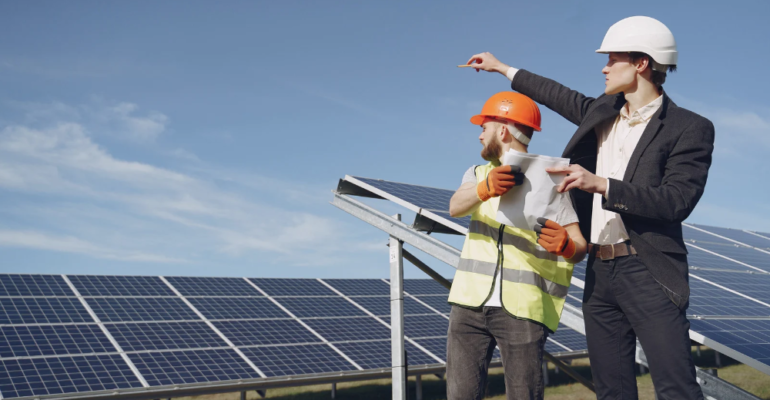
Solar Solutions for Businesses in Pakistan: How Commercial Solar Can Lower Operating Costs
Open your last electricity bill. Now ask yourself one thing. Is this number going to go down next year? Probably not. That’s why more shop owners, factory managers, and school heads are looking at solar solutions for businesses in Pakistan. Solar won’t fix every problem. But it can take a big bite out of your power bill. Here’s how. Where Your Money Goes Now For most businesses, power is one of the top monthly costs. Commercial rates are high. They also tend to climb. Then there are the outages. When the grid drops, work stops. Many owners switch on a diesel generator. That fuel isn’t cheap. Add repairs and noise, and the cost is real. So you pay three times: The grid bill The diesel The lost time Solar cuts into all three. How Commercial Solar Works It’s simple. Panels on your roof catch sunlight. They make DC power. An inverter turns it into AC power. Then your machines, lights, and ACs run on it. You don’t need to change how you work. You just draw less from the grid. Which System Fits You? There are three main types. On-grid: Linked to the grid. It costs less. Good if you work mostly in the daytime. Hybrid: Solar, grid, and batteries together. Good if outages hurt you. Off-grid: Batteries only. Best for remote sites. It costs the most. Most businesses pick on-grid or hybrid. What You Actually Save A Smaller Bill Every unit your panels make is a unit you don’t buy. Pakistan has strong sun for most of the year. That helps a lot. Less Diesel Solar runs while the sun is up. Your generator runs less. You spend less on fuel and fixes. Steady Costs Once panels are up, your solar power cost doesn’t change. Grid rates might. That gives you something rare in business: a number you can plan around. Very Little Upkeep Panels have no moving parts. You clean them. You get a yearly check. That’s mostly it. Good panels often come with 25-year performance warranties. A Better Image Some buyers care about clean energy. Some export clients ask about it. Solar gives you a good answer. Who Gains the Most? Anyone who uses lots of power in the day. That includes: Factories and mills Textile units Cold stores and warehouses Schools and hospitals Offices, malls, and shops Farms If you run at night only, solar alone won’t help much. You’d need batteries. What About the Cost? Solar costs money upfront. The final price depends on system size, panel brand, inverter, and roof type. Most businesses get that money back in a few years. After that, you’re saving every month. Always ask for a written quote with a payback estimate. Some banks also offer solar loans. Ask what’s on offer today. A Word on Net Metering Net metering lets you send extra power to the grid. The rules and rates have changed lately. They may not match what you read a year ago. So check the current NEPRA rules first. Design your system to cover your own use. Treat any export income as a bonus. How to Get Started Gather your last 12 bills. Book a site survey. Get a design and a quote. Compare warranties, not just price. Hire a trained installer. Ask about service after install. Mistakes We See Often Choosing the cheapest panels Sizing the system by guess Skipping the roof check Forgetting about after-sales support A cheap system that fails in year three isn’t cheap. Working With CellSol Energy CellSol Energy is a solar company in Lahore. Our team has engineers, qualified technicians, and solar consultants. We look at your bills and your roof first. Then we size the system to fit. You get a clear plan, a clean install, and someone to call later. That’s the goal. Conclusion You can’t control grid rates. You can control how much power you buy. Solar gives you that control. Start small if you need to. Get a survey. Look at the numbers. Then decide. FAQs How much can my business save with solar? It depends on your size and daytime use. Many businesses cut a large share of their grid bill. A site survey gives you a real figure. How long does installation take? Small systems take a few days. Bigger ones may take a few weeks. Design and approvals add time. Do panels work on cloudy or smoggy days? Yes, but they make less power. Output drops a bit, then recovers. What upkeep do panels need? Clean them often, mainly in dusty areas. Have the wiring and inverter checked once a year. Is solar worth it for a small shop? Often, yes. If you use power in the day, you can save. Ask for a payback estimate first.
16 Oct
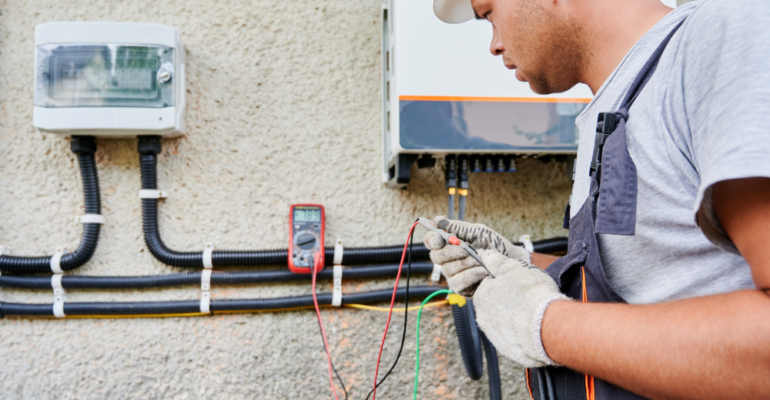
Solar Inverter Installation in Pakistan: Costs, Process, and Key Considerations
Most people spend weeks choosing solar panels. Then they spend five minutes on the inverter. That’s a mistake. The inverter is the heart of your system. Panels make the power. The inverter makes it usable. If it’s wrong, or badly installed, the whole system suffers. Here’s what to know about solar inverter installation in Pakistan. What an Inverter Does Panels produce DC power. Your fans, lights, and fridge run on AC power. The inverter converts one to the other. It does a few other jobs too. It finds the best power point from your panels. It shields the system from faults. It shows how much power you make. And it connects your system to the grid, if you use one. Which Type Do You Need? There are three main types. On-grid inverter. It works with the grid and needs no batteries. It’s usually the cheapest option. It shuts down when the grid fails, for safety. Off-grid inverter. It runs on batteries alone. It suits places with no grid supply. Hybrid inverter. It works with panels, batteries, and the grid. It keeps your home running during outages. Many homes in Pakistan pick this type because of load shedding. What Drives the Cost You’ll see big price gaps between quotes. Here’s why. Size. A larger inverter costs more. Type. Hybrid units cost more than on-grid ones. Brand. Trusted brands often cost more, but they come with real support. Batteries. They add a big share to the total. Wiring and safety gear. Cables, breakers, and earthing all add up. Labor. Hard sites take more time. Always ask for an itemized quote. If something looks too cheap, ask why. Getting the Size Right A small inverter can overload and shut down. A huge one wastes your money. Your installer should look at your daily power use. They’ll check your peak load and panel size. They should also ask about future plans. Maybe you’ll add an AC next summer. That matters. Most installers match inverter size closely to panel capacity. Yours will explain the best match for your setup. How the Install Goes A good team follows clear steps. Engineers visit and check your site. They study your bills and appliances. They pick the inverter and plan the layout. They choose a safe spot for it. Technicians mount the unit on the wall. They wire it to the panels and your distribution board. They add earthing, breakers, and surge protection. They test the whole system. They show you how to read the display and app. Small homes may finish in a day or two. Bigger sites take longer. Things to Check Before You Install Location. Heat is the enemy. Pick a cool, dry, shaded spot with good airflow. Keep it out of direct sun and rain. Safety. Bad wiring is dangerous. It can start a fire or cause shocks. Insist on proper cables, breakers, and earthing. Warranty. Read the terms. Ask who handles repairs in Pakistan. A warranty means little without local service. Net metering. If you plan to use it, your inverter must meet the rules. NEPRA and your distribution company set them, and they can change. Check first. Monitoring. An app lets you see output from your phone. You’ll spot faults early. Mistakes That Cost People Money Buying a fake or low-grade inverter Choosing the wrong size Mounting it in a hot, closed space Using thin or cheap cables Hiring people with no training Many of these problems show up months later. By then, fixing them costs more. Keeping Your Inverter Healthy Inverters need little care. Wipe off dust now and then. Keep the vents clear. Watch for error codes. And book a yearly check. With good care, an inverter can serve you for many years. Getting Help from CellSol Energy CellSol Energy is a solar company in Lahore. Our engineers, qualified technicians, and solar consultants handle every install with care. We choose the inverter that fits your needs. We wire it safely. And we stay in touch after the job is done. Need help with solar inverter installation? Contact CellSol Energy today. FAQs How long does a solar inverter last? Many last 8 to 15 years. A cool spot and regular care help. Can I install an inverter myself? It’s not a good idea. Wrong wiring can be unsafe. Use trained technicians. What’s the difference between hybrid and on-grid inverters? On-grid units need the grid and have no battery. Hybrid units work with batteries and give you backup. Do I need an app for my inverter? No. But an app helps you track output and catch faults early. How long does installation take? Home systems often take one to three days. Larger systems take longer.
14 Oct
Agriculture Solar System in Pakistan: How Farmers Can Reduce Irrigation and Electricity Costs
Picture this. It’s the middle of the growing season. Your crop needs water now. But the power is out. Or diesel just went up again. Many Pakistani farmers know this stress well. An agriculture solar system in Pakistan can ease it. The sun costs nothing. And your pump can run on it. The Real Cost of Pumping Water Most farms use one of two options. Some run diesel engines. Others rely on grid-powered tube wells. Both come with problems. Diesel prices swing. Engines break down. Grid power drops out when you least expect it. Bills pile up, and your profit shrinks. Solar changes the math. You pay once to set it up. After that, your fuel is sunlight. How a Solar Irrigation System Works The setup is simple. It has three main parts. Solar panels turn sunlight into power. A controller or inverter manages that power. A pump lifts water from your well, canal, or tank. When the sun is up, the pump runs. When the sun is strong, the water flows faster. And that’s usually when your crops need it most. What Farmers Gain The savings are the big draw. But they’re not the only one. You stop buying diesel. Your grid bill drops. You spend less on repairs, since solar has few moving parts. You also get water on your schedule, not the grid’s. Panels last 25 years or more. Pumps and controllers last many years with basic care. And there’s no smoke or oil spill on your land. Choosing a System Farms differ. So do wells. Here are the common setups. Direct solar pumping. Panels power the pump straight, with no batteries. It’s simple and costs less. The pump works only in daylight. Hybrid pumping. This setup adds the grid or a generator as backup. It helps on cloudy days. Solar with net metering. Some farms also run cold rooms, workshops, or homes. In that case, net metering may help. Rules come from NEPRA and can change, so ask your installer. Sizing Your System Size depends on your pump and your water needs. An installer will ask a few questions. What’s the pump’s horsepower? How deep is the water? How much water do you need each day? How big is your land? What crops do you grow? A bigger pump needs more panels. A deeper well needs more power. This is why a site visit matters. Guessing leads to weak systems. Store Water When the Sun Shines Solar works best in daylight. So, pump more when you can. Store the extra in a tank or pond. This gives you water in the evening or on a cloudy day. It also pairs well with drip and sprinkler systems. Those save water and make your solar go further. Keeping It Running Upkeep is easy. Still, a few habits help. Rinse the panels often. Dust cuts output. Clear bird droppings. Trim trees that cast shade. Check wires and joints now and then. Book a yearly service visit. Farms also face wind and storms. Strong frames and firm mounting protect your panels. Fencing helps with theft. Mistakes to Skip Buying low-grade panels to save money Choosing a pump that doesn’t match the system Using weak mounting or thin cables Skipping maintenance Hiring a seller who has never worked on a farm One bad choice can cost you for years. Take your time and ask questions. How CellSol Energy Helps CellSol Energy is a solar company in Lahore. Our engineers, qualified technicians, and solar consultants visit your farm first. We look at your pump, your well, and your land. Then we design a system that fits. You’ll get a clear quote and honest advice. No jargon. Ready to lower your irrigation cost? Reach out to CellSol Energy. FAQs Can solar run a tube well in Pakistan? Yes. Many farms already do it. The system just needs to match your pump size. What happens on cloudy days? Output drops. A hybrid system or a water tank can cover the gap. Is solar cheaper than diesel for irrigation? Solar has no fuel cost. Over time, it often costs less than diesel. How long does installation take? It depends on the size. Small systems can take just a few days. Does a solar pump need much care? No. Clean the panels often and book a yearly check.
12 Oct
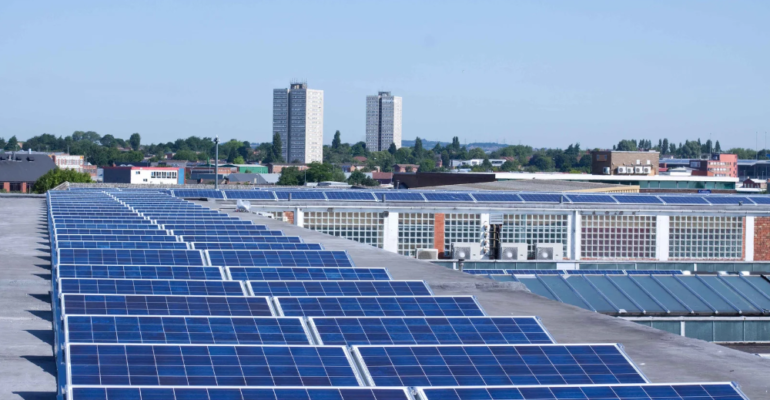
Rice Mill Solar Solutions: A Complete Guide to Switching Your Mill to Solar Energy
If you own a rice mill, you know the pain. The electricity bill lands, and it’s huge. Huskers, polishers, graders, and dryers never stop. And in paddy season, neither do you. That’s why more mill owners are looking at rice mill solar solutions. Solar won’t fix everything. But it can take a big bite out of your power cost. Let’s look at how. Why Solar Suits Rice Mills Your mill works hard in daylight. So do solar panels. That match is the whole story. Panels make the most power from morning to late afternoon. That’s when your machines pull the most load. You use the power right away. Very little goes to waste. Grid power is costly, and outages hurt. Many mills run diesel generators as backup. Diesel is pricey, loud, and dirty. Solar cuts how often you need it. What You Gain Mill owners usually care about a few things. Lower monthly bills Less diesel use More steady costs over the years Fewer production stops A cleaner, quieter mill Panels also last a long time. Many come with 25-year performance warranties. Picking the Right System Not every mill needs the same setup. Your choice depends on your load, your budget, and how bad your outages are. Grid-tied system. It works alongside your grid supply. Solar runs your machines first. The grid fills the gap. There are no batteries, so it costs less. Hybrid system. This one adds batteries. It keeps key machines running during a cut. It costs more, but it gives you backup. Net metering. If you make extra power, you can send it to the grid and earn credit. Rules come from NEPRA and your distribution company, and they can change. Ask your installer for the latest terms. Getting the Size Right Size is where many projects go wrong. Too small, and your bill barely drops. Too big, and you’ve spent money you didn’t need to. A good installer will look at your last 12 months of bills. They’ll check your motor load and peak demand. They’ll ask how many hours you run. They’ll also measure your roof or land. Many mills need a big system. Some need hundreds of kilowatts. You can’t guess this from the road. It takes a proper site visit. Where the Panels Go Rice mills often have large, flat roofs. Drying sheds and warehouses work well too. If roof space is short, open land nearby can do the job. Watch out for shade. Watch out for dust, too. Husk and bran settle on panels fast. Dirty panels make less power. Plan to clean them often. Also check the roof. It must carry the extra weight. Your engineer should confirm this before anything goes up. How the Switch Happens The process is simpler than most people think. Engineers visit your mill and study your load. They design the system and send a quote. You approve the plan. The team handles paperwork, such as net metering forms. Technicians install the panels, inverter, and wiring. They test everything before handover. After that, you track output on a monitor or app. You’ll see right away what the system makes. What About the Cost? There’s no single price. It depends on size, brand, and whether you add batteries. A hybrid system costs more than a grid-tied one. Ask for a written quote. Ask for a payback estimate too. For many mills, payback comes in a few years. But your number depends on your tariff and how much you run. Mistakes We See Often Picking the cheapest panels without checking quality Buying the wrong inverter size Skipping the energy study Forgetting about dust and cleaning Hiring a team that has never worked on industrial sites Avoid these, and your system should serve you well for decades. Working with CellSol Energy CellSol Energy is a solar company in Lahore. Our team includes engineers, qualified technicians, and solar consultants. We start with your bills and your machines. Then we build a plan around them. We keep the talk simple. You’ll know the cost, the steps, and the timeline before we start. Want to see what solar could save your mill? Contact CellSol Energy for a site visit. FAQs How much can a rice mill save with solar? It depends on system size and your tariff. Many mills cut a large part of their daytime grid use. Can solar power heavy mill motors? Yes, if the system is designed for them. The inverter and layout must match your motor load. Do I need batteries? Not always. A grid-tied system works without them. Add batteries if outages hurt your output. How long do panels last? Good panels last 25 years or more. Output falls slowly over time. How much upkeep does solar need? Very little. Clean the panels often, since mill dust builds up fast. Book a service check once or twice a year.
09 Oct
Industrial Solar for Rice Factories: How Solar Power Can Reduce Energy Costs
Visit a rice mill in paddy season and you will notice the noise first. Then the dust. Then the electricity meter, spinning like it has somewhere to be. Power is one of the largest costs for a mill. That is why industrial solar for rice factories is a topic more owners are asking about. Here is how it works and what to watch for. Where the Power Goes A rice mill runs many machines for long hours. The main ones are: Paddy cleaners and dryers Dehusking machines Whiteners and polishers Colour sorters Graders Conveyors, elevators, and fans Packing lines Everything peaks during harvest. So does the bill. Why Solar Suits a Rice Mill Solar panels make power when the sun is out. A mill also does most of its work in daylight. The two fit well together. Your mill uses solar power first. It buys less from the grid. The bill drops. What You Can Gain A smaller bill Sunlight costs nothing. Once the plant is built, you save every month. Steadier costs Grid tariffs go up and down. Solar fixes a good part of your power cost, which helps with planning. Fewer stoppages When power drops, the line stops. Paddy waits. Workers wait. A well-planned plant, with the right backup, can reduce that pain. Long life Good panels last twenty-five years or more. That is a lot of harvests. A better pitch to buyers Some buyers, especially abroad, like clean energy. It can help your brand. You Likely Have the Space Rice mills have wide roofs. Godowns, drying sheds, and storage halls add more. That roof space is useful for solar. If your roof is not enough, open land near the mill can work. Panels can sit on the ground. How a Project Runs First, we study your load. We look at your bills and ask when each machine runs. Next, we visit the mill. We check the roof, the shade, and the wiring. Then our engineers design the plant. They pick the panel and inverter size and draw the layout. After that, our technicians install and test everything. Last, we connect the plant to your supply and set up monitoring. Dust Is the Big Issue Let us be honest here. Rice mills make dust and husk. Both land on panels. Dirty panels make less power. You can handle it with a plan: Set a cleaning routine Leave walkways so staff can reach the panels Choose equipment that suits dusty sites Clean panels make more power. It really is that plain. Backup and Hybrid Plants Some mills cannot afford any gap in power. A hybrid plant may suit them better. It can mix solar, grid power, and sometimes batteries or a generator. Every mill is different. The design should follow your machines. Working Out the Payback You need three numbers. Your monthly bill. The cost of the plant. The units it will make. With these, you can estimate payback time. Many industrial users find the return worthwhile. But your result depends on your site and your load. Ask for a study, not a slogan. Mistakes to Avoid Do not size the plant by guess. Do not buy low-grade parts. Do not ignore dust. Do not skip the roof strength check. And do not hire a team that has never built an industrial plant. How CellSol Energy Can Help CellSol Energy is based in Lahore. Our team includes engineers, qualified technicians, and solar consultants. We want each plant to run at its best level. For a rice mill, that means a plan built around your season and your machines. We keep the advice clear and the talk simple. Conclusion Energy takes a big bite out of a rice mill’s profit. Solar can shrink that bite. Start with a site study. Pick a team that knows industrial work. Then watch your bills over the next few seasons. FAQs Can solar run a whole rice mill? It can cover a large part of your daytime load. How much depends on your size, space, and setup. Do rice mills have enough roof space? Many do. Big roofs and sheds suit solar well. Ground mounting is also an option. How does dust affect solar panels? Dust blocks sunlight and lowers output. Regular cleaning solves most of it. How long does payback take? It varies. Your bill, load, and plant size all matter. A site study gives a clear estimate. Is a hybrid system good for a rice factory? It can be. Hybrid plants add backup and help when you need steady power.
07 Oct
How to Choose a Reliable Solar Energy Company in Pakistan for Your Home or Business
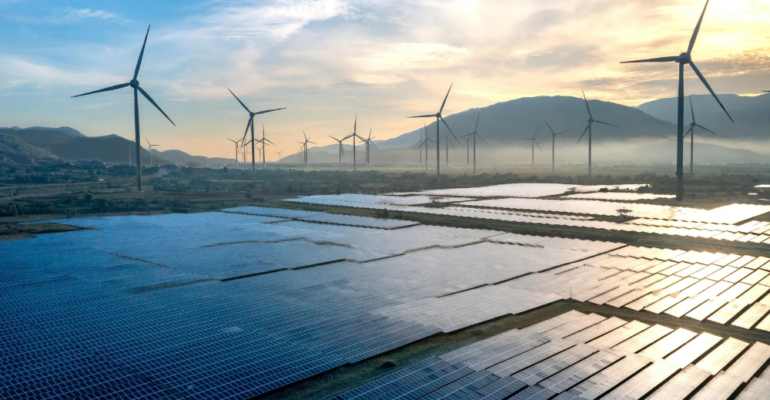
Walk through any neighborhood in Lahore and you will spot panels on rooftops. Ten years ago, that was rare. Now it is normal. With so many people going solar, new companies appear every month. Some are great. Some are not. If you are comparing each solar energy company in Pakistan, here is how to sort the good from the bad. Begin With Your Own Bills Before you call anyone, find your last six to twelve bills. Check how many units you use each month. Summer will be higher because of the ACs. Now ask yourself what you want. Maybe you just want a smaller bill. Maybe you need power during load shedding. Maybe you want to send extra units to the grid. Your goal decides your system. The Three Types of Systems An on-grid system works with the grid. It cuts your bill. In most cases, it switches off when the grid goes down. An off-grid system uses batteries. It works without the grid, but batteries add to the cost. A hybrid system does both. It gives you savings and backup. A good company explains all three and then tells you which one suits you. Be careful if they push only one type to every customer. Check Their Work Ask to see real projects. Photos help, but a visit helps more. Ask for a phone number of a past customer. Read online reviews too. One bad review is normal. A pattern of the same complaint is not. Meet the People You are not just buying panels. You are buying skills. Ask who will design your system. Ask who will do the wiring. Good companies have qualified engineers and trained technicians on their own team. Weak ones hire day workers for each job. Ask for Brand Names Every part matters. Panels, inverters, batteries, cables, and the mounting frame. Ask for brand and model for each one. Then read the warranty. How many years does it cover? Who handles claims? Where is the service center? Some companies avoid these questions. That tells you what you need to know. Get a Site Visit First A phone quote is a rough guess at best. A real visit is better. The team should check your roof, the shade, and your electrical board. They should ask what appliances you run. Then they send a design and a price. If nobody visits, nobody has done the homework. Compare Quotes the Right Way Get at least three. Do not look only at the final price. Look at what is inside. Check these points: Panel brand and wattage Inverter brand and size Warranty years Install time Service after sale Two quotes can look the same and still be very different. Plan for After the Install Solar is not a “fit and forget” product. Dust builds up. Birds leave a mess. Parts wear out. Ask who will clean and check your system. Ask how quickly they reply to a fault. A company that answers calls after the sale is rare, and worth keeping. Common Mistakes People often repeat the same errors. They pick by price alone. They skip the site visit. They never read the warranty. They buy a system too small for summer. And they trust a company with no local office. Home or Business? A home system is smaller. Roof space is tight, and backup power usually matters most. A business uses more power in the daytime, which suits solar well. Shops, offices, and factories all have different loads. The design must fit your daily routine. Ask the company if they have worked on projects like yours. About CellSol Energy CellSol Energy is a Lahore-based team of engineers, qualified technicians, and solar consultants. We make sure each installation runs at its best level. Whether you own a home or a business, we start with a site visit. Then we explain your options in simple words. Conclusion Solar is a good step for many families and businesses. But rushing leads to regret. Compare companies. Ask hard questions. Read the paperwork. A careful choice today can save you money for a very long time. FAQs How do I know a solar company is reliable? Check their past work and read reviews. Ask for brand names, warranty papers, and a reference you can call. Is hybrid better than on-grid? It depends on your needs. Hybrid gives backup power. On-grid costs less and still cut your bill. How many quotes should I get? Three is a good number. Compare the parts and the service, not just the price. Do solar panels need maintenance? A little. They need regular cleaning, and the system needs a check now and then. How long do solar panels last? Good panels often work for twenty-five years or more. Their output drops slowly over time.
05 Oct
How to Choose the Right Solar EPC Company in Pakistan: A Complete Guide for Businesses
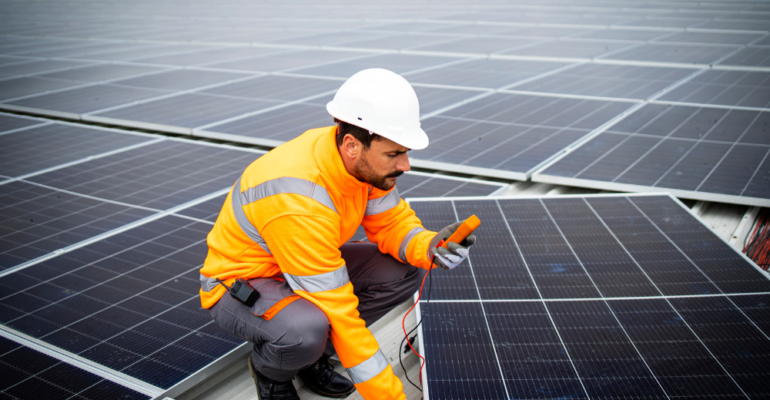
A factory owner called us last year. His solar plant was only two years old. Half the inverters had failed. The company that built it had stopped picking up his calls. We hear stories like this often. Solar itself is fine. The trouble usually starts with who builds it. If you are looking for a solar EPC company in Pakistan, this guide is for you. What EPC Means EPC stands for engineering, procurement, and construction. One company does all three jobs. They design the plant. They buy the equipment. They build it and hand it over. You deal with one team, so you know who to call when something goes wrong. That last part matters more than most people think. Start With the Team, Not the Price Price is the first thing buyers ask about. We understand. A solar plant is a big cheque. But a low price can hide a lot. Thin cables. No-name inverters. No site visit. Nobody to answer the phone in year three. Ask about people first. Who designs your plant? Who climbs on your roof? Are they trained? A solid company will tell you their names and show you their work. Check Their Past Projects Anyone can say “we have done many projects.” Ask to see them. Look for jobs close to yours. A textile unit and a cold storage need different designs. A school and a steel mill do too. Better still, call one of their clients. Ask two things. Does the plant make the power you were promised? And did the company come back when something broke? Look at the Equipment Panels and inverters decide how long your plant lasts. Ask for exact brands and models. Ask for warranty papers, and read them. Pay attention to these: Who makes the panels, and how long is the output warranty? Does the inverter brand have a service centre in Pakistan? Is the mounting structure built for strong wind? Are the cables and breakers rated for your load? If a company will not name its brands, move on. Ask About Net Metering Many businesses want to send extra power to the grid. That needs approval. The rules come from NEPRA, and your local distribution company handles the file. In Lahore, that is LESCO. The paperwork can take time. An experienced EPC company has done it many times. They know what the office wants and how to avoid delays. Rules in this area change from time to time. Ask the company what applies right now, and get it in writing. Insist on a Site Visit Every site is different. Shade, roof strength, and wiring change the design. So does the way your machines use power during the day. A good team comes to see your site. They measure. They check your electrical panel. They read your last year of bills. Then they make a quote. If someone emails a price after one phone call, they are guessing. Do not sign. Read the Quote Line by Line A fair quote is detailed. It lists the panels, inverters, cables, structure, labour, and approvals. It shows brand names and quantities. Get three quotes. Put them side by side. You will see the gaps quickly. One quote may skip the structure. Another may use a smaller inverter. Think About Year Five Solar plants need small, regular care. Panels collect dust. Connections loosen. Inverters throw errors. Ask what happens after handover. Do they offer a maintenance plan? How fast do they reach your site? Can they monitor the plant from their office? A company that plans for year five usually builds better in year one. Red Flags Be careful if a company: Promises a zero bill without studying your site Refuses to share past projects Wants all the money upfront Has no office you can visit About CellSol Energy CellSol Energy is based in Lahore. Our team includes engineers, qualified technicians, and solar consultants. We want every plant to run at its best level. We visit your site first. We explain each step in plain words. And we stay in touch after the plant goes live. Conclusion Talk to at least three companies. Visit one of their finished sites if you can. Take your time. A good plant will serve you for twenty-five years or more, so a few extra weeks of checking is a small price. FAQs What does a solar EPC company do? It designs your plant, buys the equipment, and builds it. You get one team for the whole project. How long does a commercial solar plant take to build? A small plant may take a few weeks. A large one can take a few months. Ask for a written schedule. Is solar worth it for a business in Pakistan? For many businesses it is. It can cut grid bills and reduce the effect of power cuts. A site study will show your numbers. Should I pick the cheapest quote? Not just because it is cheap. Compare brands, warranty, and service. The lowest price often leaves things out. Will the EPC company arrange net metering? Good companies do. They prepare the documents and follow up with the distribution company.
25 Sep

Off-Grid Solar System in Pakistan: How Businesses Can Achieve Reliable Energy Independence
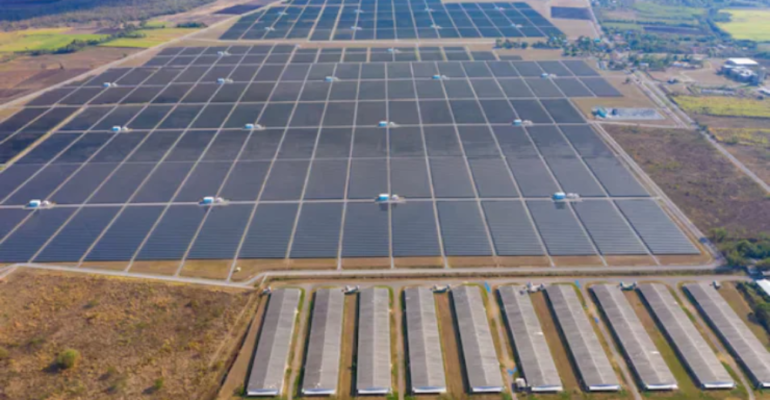
Power outages cost Pakistani businesses real money. Work stops. Deadlines slip. Customers get frustrated waiting on orders. Off-grid solar systems offer a way out. They hand businesses full control over their own power supply, no grid required. This article breaks down off-grid solar systems in Pakistan and shows how businesses can use them to become truly energy independent. What Exactly Is an Off-Grid Solar System? An off-grid solar system runs completely apart from the national grid. It relies on solar panels, batteries, and inverters working together. The system makes its own electricity. Extra power gets stored in batteries. That stored energy kicks in at night or on cloudy days. Off-grid setups work especially well in places with: No access to the grid at all Constant power outages Voltage that swings unpredictably Why More Businesses Are Going Off-Grid Across Pakistan, businesses are choosing off-grid solar for good reason: Total independence from the grid No more monthly electricity bills Real protection from load-shedding Steady power for delicate equipment Savings that build up over the years Who Benefits Most from Off-Grid Systems Off-grid solar tends to work best for: Factories located in remote areas Farmhouses and agricultural operations Warehouses without grid access Telecom towers Small offices in rural regions What Makes Up an Off-Grid System An off-grid solar system has a few core parts. Each one has a specific job to do. Solar Panels Panels turn sunlight into electricity. The more panels you have, the more power you generate. Batteries Batteries hold onto extra solar energy. That energy runs your business once the sun goes down. Two common battery types: Lithium batteries: last longer, cost more upfront Lead-acid batteries: cheaper, but wear out sooner Charge Controller This small device protects your batteries. It manages how much power flows in and out. Inverter The inverter turns solar power into electricity you can actually use, for lights, machines, and devices. How to Plan an Off-Grid System Good planning makes or breaks an off-grid system. Get it wrong, and you’ll run short on power when you need it most. Figure Out Your Power Needs Write down every piece of equipment you run. Note how many hours a day each one operates. This gives you your total daily energy use, the starting point for everything else. Decide How Much Backup You Need Some businesses only need power through the night. Others need backup around the clock. Think about your actual operating hours before deciding. Size Your Panels Correctly Your panels need to cover daily use and recharge your batteries at the same time. Pick the Right Inverter Your inverter has to handle your peak load, including machines that draw extra power when they first switch on. What Off-Grid Solar Gives Your Business Off-grid solar brings several real advantages to the table. Independence: You’re no longer at the mercy of the grid. Cost control: One upfront investment, no surprise bill increases. Reliability: Power keeps flowing even when outages hit. Room to grow: Systems can expand as your business grows. Low upkeep: Solar needs very little regular maintenance. The Downsides Worth Knowing Off-grid systems aren’t perfect. Businesses should go in with eyes open. Batteries push the upfront cost higher Batteries need replacing every several years Energy use needs some careful management Long stretches of cloudy weather can strain output A well-planned system keeps these issues to a minimum. Off-Grid vs On-Grid vs Hybrid: What’s the Difference? This is where a lot of business owners get stuck. On-Grid System Stays tied to the national grid. Cheaper, but it goes down when the grid does, unless batteries back it up. Off-Grid System Runs entirely on its own. Ideal for remote spots or places with an unreliable grid. Hybrid System Mixes grid power with battery backup. Gives you flexibility and a safety net.The right choice comes down to your location and how much power you actually need. What Off-Grid Systems Cost in Pakistan A few things drive the price: System size, measured in kW Battery type and total capacity Panel brand and build quality Inverter size Batteries usually account for the biggest chunk of cost. Lithium costs more upfront but pays off over its longer life. Where CellSol Energy Comes In CellSol Energy brings together engineers, technicians, and Lahore-based solar consultants to build off-grid systems around your actual needs, not a generic template. We start by studying how your business uses power. From there, we pick the right batteries and panels, then install and test everything ourselves. Our goal is straightforward: get your business running without leaning on the grid at all. Keeping an Off-Grid System Running Well A little regular care goes a long way. Wipe down panels once a month Check battery condition on a schedule Keep an eye on inverter performance Don’t overload the system Book a professional checkup once a year Is Off-Grid Solar the Right Fit for You? Off-grid solar tends to make sense if your business deals with: Regular load-shedding No grid connection nearby Electricity bills that keep climbing A real need for backup power If that sounds like your situation, off-grid solar is worth serious consideration. Final Thoughts Off-grid solar systems give Pakistani businesses something rare: genuine energy independence. No grid dependence. No exposure to rising electricity rates. With the right design and a team that knows what it’s doing, an off-grid system can power your business reliably for years to come. CellSol Energy works closely with businesses to design and install systems built around their specific needs, with a team that stays involved from day one. FAQs Can an off-grid system power an entire factory? Yes, as long as it’s designed with enough panels and battery storage to match. How long do solar batteries last? Lithium batteries typically last 8 to 15 years. Lead-acid batteries last 3 to 5 years. Is off-grid solar more expensive than on-grid? Usually, yes, mostly because of battery costs. But you gain full independence in return. Can I add more panels later? Yes. Most off-grid systems are built
21 Sep
Solar Power Plant Installation in Pakistan: Guide for Industrial Businesses
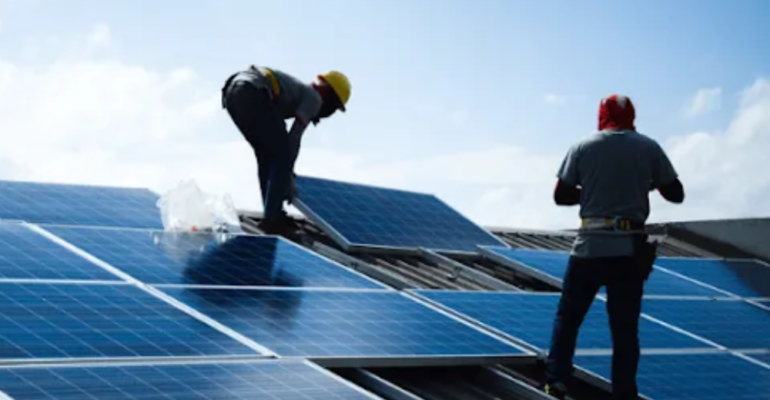
Electricity bills keep rising in Pakistan. Factories and industries feel this pain the most. That’s why more businesses are turning to solar power. It cuts costs. It also gives them power they can count on. This guide walks you through solar power plant installation in Pakistan. We wrote it for factory owners and plant managers who want clear, honest information. Why Industries Are Switching to Solar Grid electricity costs more every year. On top of that, load-shedding still disrupts production schedules across the country. Solar fixes both problems at once. Bills go down. Power stays on. Some real benefits industries see: Lower monthly electricity costs No more worrying about tariff hikes Fewer stoppages during production hours A cleaner, greener brand image Savings that add up for 20+ years Start With an Energy Audit Every solar project should begin here. An audit shows exactly how much power your factory uses. Our team reviews your past bills. We check your machines and note when your usage peaks during the day. Skip this step, and you risk buying a system that’s too small or too big. Both waste your money. Get a Site Survey Done Next, engineers visit your site in person. They check your roof or the open land where panels might go. They’re looking at: How much space you actually have Whether your roof can hold the weight How much direct sun the area gets Any trees or buildings casting shade This visit tells us where the panels should sit and what kind of structure will hold them. Design the System Now comes the technical part. Engineers plan out your entire solar setup. This covers: Panel type and wattage Inverter size How the wiring runs Safety components A solid design here means your system lasts longer and performs better every day. Choosing Between On-Grid and Off-Grid Not every factory needs the same setup. On-grid systems stay connected to the national grid. They cost less and use net metering to offset your bill. Off-grid systems run on batteries alone. These work best where the grid barely reaches. Hybrid systems blend both. Many factories prefer this option because it covers them either way. Handle Approvals First Before any equipment arrives, paperwork needs sorting out. Skipping this step causes headaches later. Depending on your system size, you may need: NEPRA approval for larger installations Net metering approval from your DISCO Local permits from your city or district A good solar provider takes care of this for you, start to finish. Order the Right Equipment Once approvals come through, it’s time to order. This usually includes: Solar panels Inverters Mounting frames Cables and safety gear Stick with Tier-1 panels if you can. They hold up better and come with stronger warranties. Installation Day This is where the physical work happens. A trained crew handles everything on-site. Here’s roughly how it goes: Mounting structures go up first Panels get fixed into place Inverters are installed Wiring gets connected Every connection gets checked for safety Skilled hands matter here. A rushed or careless install can quietly cut your system’s output. Test Everything Before Going Live Once installed, the whole system gets tested. Engineers walk through every connection by hand. They’re confirming: Panels are producing what the design predicted The inverter runs smoothly No wiring issues are hiding anywhere Only after this does the system actually go live. Set Up Net Metering For on-grid setups, this is the last piece. Net metering lets you sell unused power back to the grid. Your DISCO installs a special meter that tracks power flowing both ways. Keep Up With Maintenance Solar systems aren’t “install and forget.” A little upkeep keeps them running strong for years. That means: Wiping down panels regularly Checking wiring for wear Watching inverter performance A yearly professional checkup Many providers now offer app-based monitoring, so you can check your system’s health from your phone, anywhere. How CellSol Energy Fits In CellSol Energy handles the entire journey, not just parts of it. Our team includes engineers, trained technicians, and solar consultants based in Lahore. We’re there from the first energy audit to the final test run. Our job is to make sure your plant runs at its best, day after day. We’ve worked with businesses across Pakistan, and our focus stays the same: dependable, affordable solar power. What Affects the Final Cost A few things shift the total price up or down: The size of your system, in kW Which panel and inverter brand you pick Roof mount versus ground mount Whether you add battery backup Your site’s location and access Bigger systems ask for more money upfront. But over time, they save far more too. How Fast Does It Pay Off? Most industrial solar plants pay for themselves within 3 to 5 years. After that point, your electricity is nearly free for the rest of the system’s life. That’s what makes solar such a strong long-term bet for factories. Final Thoughts Solar power plant installation in Pakistan makes sense for industry right now. It brings bills down. It shields you from load-shedding. And it helps your business look and act more responsible. Working with a team that knows what they’re doing makes the whole process painless. CellSol Energy is built to guide you through every stage of it. If reliable solar power sounds like something your business needs, there’s no better time to get started. FAQs How long does industrial solar installation take? Most projects wrap up in 2 to 6 weeks, depending on size and site conditions. Do I need government approval for solar installation? Yes, for on-grid systems. You’ll need DISCO approval, and sometimes NEPRA too. What size solar system does my factory need? That depends entirely on your usage. An energy audit gives you the real number. Can I use solar power during load-shedding? Yes, as long as you’re running a hybrid or off-grid setup with batteries. How much can I save with solar power? Many businesses cut their electricity bills by 50%