If you own a rice mill, you know the pain. The electricity bill lands, and it’s huge. Huskers, polishers, graders, and dryers never stop. And in paddy season, neither do you.
That’s why more mill owners are looking at rice mill solar solutions. Solar won’t fix everything. But it can take a big bite out of your power cost. Let’s look at how.
Why Solar Suits Rice Mills
Your mill works hard in daylight. So do solar panels. That match is the whole story.
Panels make the most power from morning to late afternoon. That’s when your machines pull the most load. You use the power right away. Very little goes to waste.
Grid power is costly, and outages hurt. Many mills run diesel generators as backup. Diesel is pricey, loud, and dirty. Solar cuts how often you need it.
What You Gain
Mill owners usually care about a few things.
- Lower monthly bills
- Less diesel use
- More steady costs over the years
- Fewer production stops
- A cleaner, quieter mill
Panels also last a long time. Many come with 25-year performance warranties.
Picking the Right System
Not every mill needs the same setup. Your choice depends on your load, your budget, and how bad your outages are.
Grid-tied system. It works alongside your grid supply. Solar runs your machines first. The grid fills the gap. There are no batteries, so it costs less.
Hybrid system. This one adds batteries. It keeps key machines running during a cut. It costs more, but it gives you backup.
Net metering. If you make extra power, you can send it to the grid and earn credit. Rules come from NEPRA and your distribution company, and they can change. Ask your installer for the latest terms.
Getting the Size Right
Size is where many projects go wrong. Too small, and your bill barely drops. Too big, and you’ve spent money you didn’t need to.
A good installer will look at your last 12 months of bills. They’ll check your motor load and peak demand. They’ll ask how many hours you run. They’ll also measure your roof or land.
Many mills need a big system. Some need hundreds of kilowatts. You can’t guess this from the road. It takes a proper site visit.
Where the Panels Go
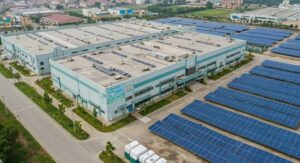
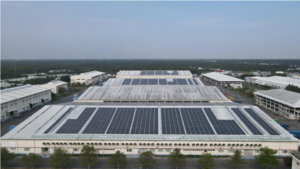
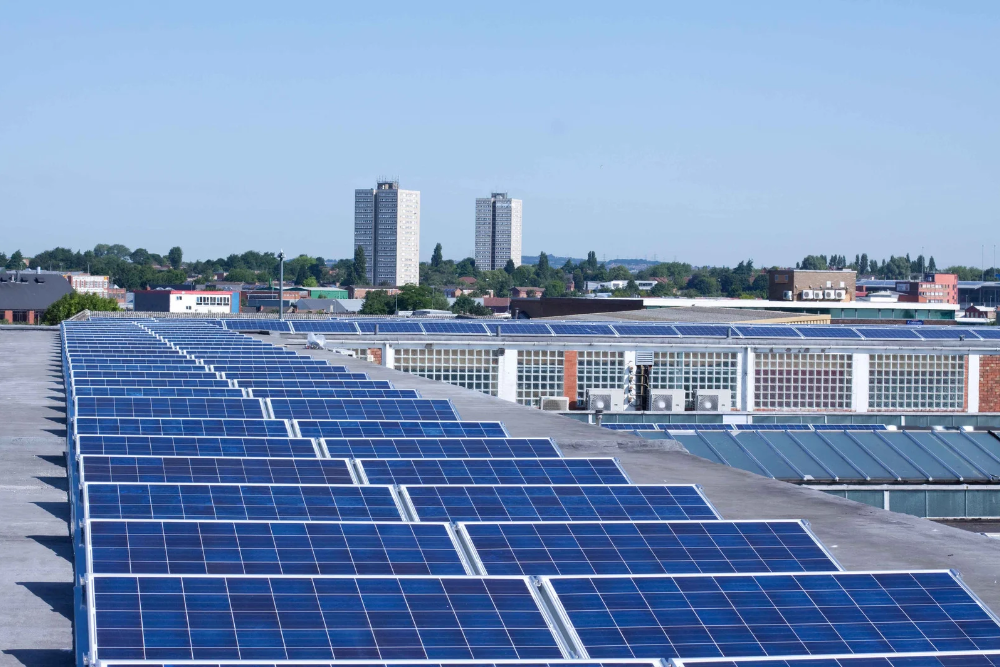
Rice mills often have large, flat roofs. Drying sheds and warehouses work well too. If roof space is short, open land nearby can do the job.
Watch out for shade. Watch out for dust, too. Husk and bran settle on panels fast. Dirty panels make less power. Plan to clean them often.
Also check the roof. It must carry the extra weight. Your engineer should confirm this before anything goes up.
How the Switch Happens
The process is simpler than most people think.
- Engineers visit your mill and study your load.
- They design the system and send a quote.
- You approve the plan.
- The team handles paperwork, such as net metering forms.
- Technicians install the panels, inverter, and wiring.
- They test everything before handover.
After that, you track output on a monitor or app. You’ll see right away what the system makes.
What About the Cost?
There’s no single price. It depends on size, brand, and whether you add batteries. A hybrid system costs more than a grid-tied one.
Ask for a written quote. Ask for a payback estimate too. For many mills, payback comes in a few years. But your number depends on your tariff and how much you run.
Mistakes We See Often
- Picking the cheapest panels without checking quality
- Buying the wrong inverter size
- Skipping the energy study
- Forgetting about dust and cleaning
- Hiring a team that has never worked on industrial sites
Avoid these, and your system should serve you well for decades.
Working with CellSol Energy
CellSol Energy is a solar company in Lahore. Our team includes engineers, qualified technicians, and solar consultants. We start with your bills and your machines. Then we build a plan around them.
We keep the talk simple. You’ll know the cost, the steps, and the timeline before we start.
Want to see what solar could save your mill? Contact CellSol Energy for a site visit.
FAQs
How much can a rice mill save with solar?
It depends on system size and your tariff. Many mills cut a large part of their daytime grid use.
Can solar power heavy mill motors?
Yes, if the system is designed for them. The inverter and layout must match your motor load.
Do I need batteries?
Not always. A grid-tied system works without them. Add batteries if outages hurt your output.
How long do panels last?
Good panels last 25 years or more. Output falls slowly over time.
How much upkeep does solar need?
Very little. Clean the panels often, since mill dust builds up fast. Book a service check once or twice a year.