Toll Free: +92-0311-17778-65
solar power for steel plants
16 Feb

Top Solar Power Options for Steel Plants in 2026
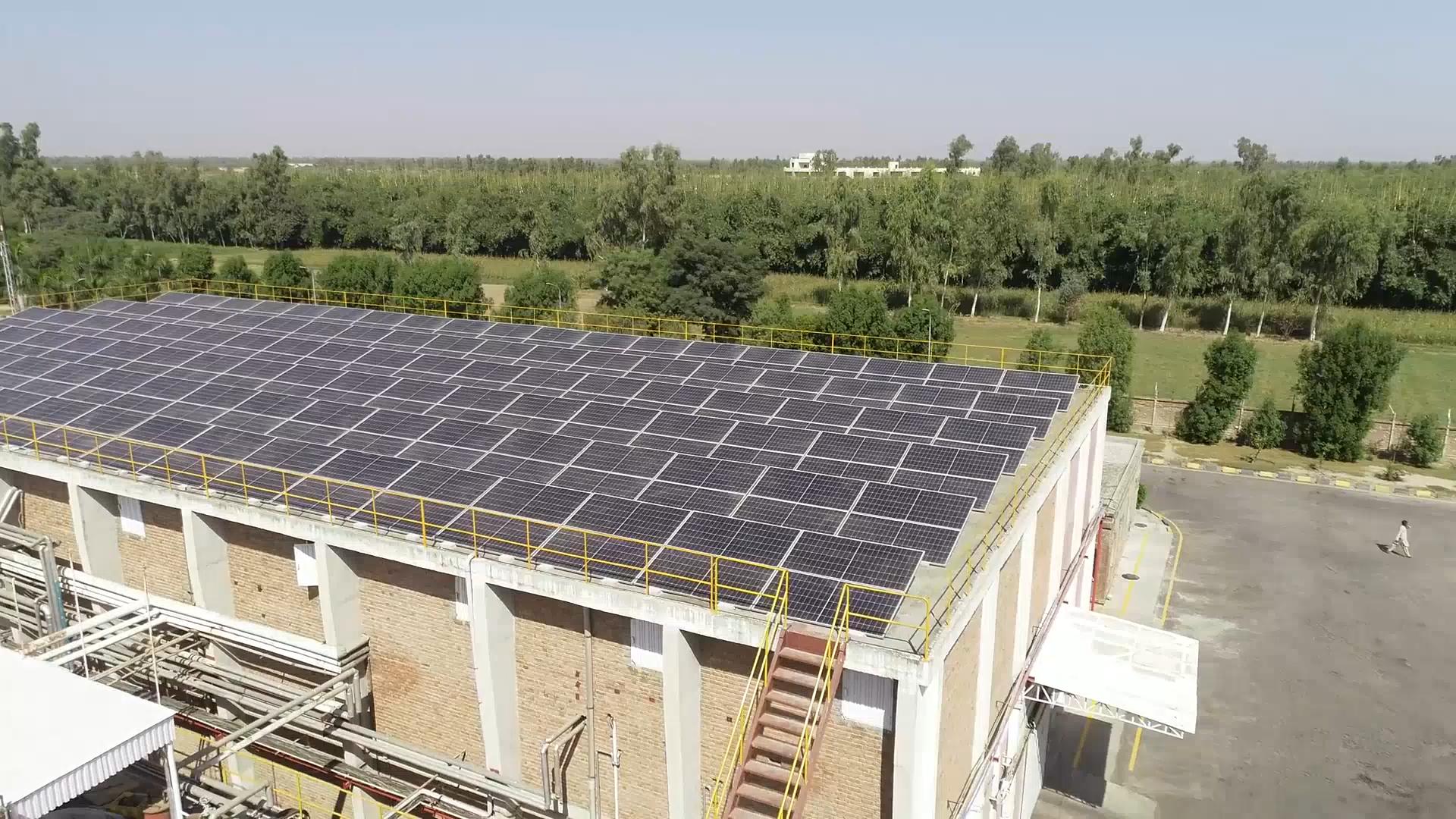
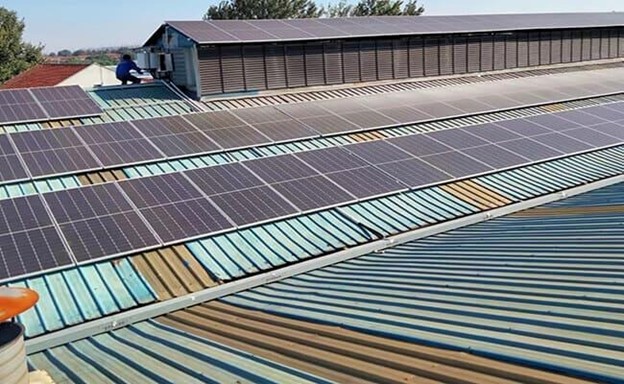
This is because solar energy in steel plants is an emerging foresight among reducing costs and emissions of heavy manufacturing. Are you the manager or running a steel plant, then going to solar is not merely a sustainability measure anymore, solar power for steel plants but it has become a financial one. Solar generation of the iron industry is a credible and scalable source of energy as electrical costs and environmental laws keep increasing. Many forward-thinking manufacturers are already partnering with trusted providers like CellSol Energy to implement efficient solar transitions. Provided that you are planning to reduce the cost of operations and future proof your plant, the time to consider the solar possibilities and ask to have a customized solar viability test is now. Why Solar Power for Steel Plants Is Growing Fast Big consumption of electricity is used in the production of steel. Melting, rolling and casting are some of the processes that require constant power and hence expensive operations. That is why renewable power in steel plants is becoming popular throughout the world. The long-term benefit of solar power for steel plants provided to steel plants is the reduced reliance on grid power. Solar energy is also stable in price with very low maintenance costs as compared to fossil fuels. In the long-term, steel plants will become able to predict their energy budget and make better profits. Environmental compliance is another important motivation. The governments and the world consumers are pushing hard on low-carbon steel manufacturing. Manufacturing of steel by using solar energy can help the plants to achieve ESG goals as well as enhance its brand image in the foreign markets. The Workflow of the Industrial Solar System to the Steel Industry A solar system used in the industry to operate the steel industries is an industrial system which is capable of operating under high loads. The systems are normally a combination of rooftop solar panels, mount-solar farms and hybrid storage systems. Solar panels receive the solar energy and convert it into electricity by the use of inverters. The energy produced can either be used directly in the operations or stored in batteries during peak demand times. Solar with grid power is also incorporated in some of the steel mills so as to ensure continuous production. Smart monitoring systems can also be found in modern solar power generation to power steel factories. The tools are used to monitor the energy output, consumption trends and saving in real-time hence enabling the plant managers to make the best use of energy. Key Benefits of Solar Energy for Steel Manufacturing Massive Cost Reduction A significant part of the cost of production of steel is electric energy. Solar power systems installed in steel factories have potential of saving 30-60 percent of electricity bills depending on the size of the system and sun exposure. Energy Independence Massive solar powering of steel mills guarantees partial or absolute freedom of changing grid tariffs. This cushions the manufacturers against price increases and power outages. Sustainability and Compliance. The world supply chains have been demanding cleaner materials. Steel plants that use solar energy will assist companies save on carbon and earn green certifications, which can access the export markets. Long-Term ROI The solar system will last 25 years or above. The payback period has also been the shortest it has ever been as the cost of solar installation continues to decrease and the governments in most countries provide incentives to get the alternatives started. Types of Solar Power Solutions for Steel Factories Located on its rooftop at the premises, the company has installed solar panels to generate energy for use in the building. Solar panels installations can be made at the roof of major factory buildings. Solar systems that are available on the roof are perfect in plants that have large production rooms and warehouses. Ground-Mounted Solar Farms Ground-mounted systems can be constructed in facilities that have land. These configurations serve massive solar powered steel mills, and produce more energy than does a rooftop system. Hybrid Solar Systems Hybrid systems are hybrids of solar panels with battery storage and grid backup. This provides round the clock power supply to the energy intensive industries such as furnaces and rolling mills. Solar with Energy Storage Solar power incorporated in batteries of steel plants will enable storage of energy at peak daylight and will serve at night shift to save maximum power. Challenges and Smart Solutions Most of the benefits associated with the use of solar energy in manufacturing steel can be seen, however, there should be proper planning when it comes to implementation. Initial capital cost can be an issue, although with solar lease financing alternatives such as power purchase agreements (PPA) it is now simple to go green. Energy consistency is yet another challenge. Plants run 24/7 and Steel is dependent on weather, unlike solar. The solution to this problem lies in hybrid solar systems and energy storage systems that guarantee steady provision. Installations can also be influenced by space. Nonetheless, rooftop and ground-mounted systems can be used together, which may increase the overall solar capacity massively. Why 2026 Is the Best Time to Switch Solar industry has developed fast in the past few years. The efficiency of the panels is enhanced, the cost of the batteries has decreased as well as the accessibility of smart energy management systems. This creates the future of 2026 as a good time to start investing in solar energy in steel plants. Moreover, the standards of sustainability all over the world are becoming more restricting. Those who move first to use renewable energy in producing steel would be competitive both locally and internationally. Future of Solar Power Generation for Steel Factories Integrated ecosystems of energy are the future of the solar production of steel factories. The next generation of steel production will incorporate smart grids, AI-enhanced energy optimization, and carbon tracking significantly. Solar-wind hybrid systems and the production of green hydrogen with the support of solar energy are already