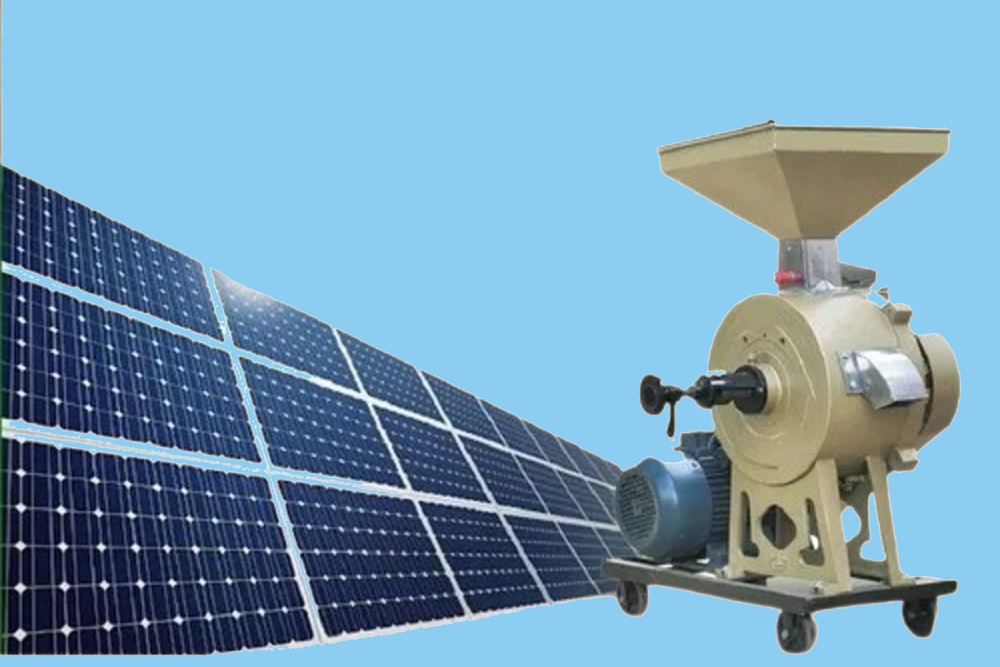
There is substantial electricity consumption in flour mills. Grinding machines work the whole day long. Motors never stop. This creates a situation of sky-high electric bills.
Nowadays, there are a significant number of solar power users among the proprietors of the mills in Pakistan. It cuts costs. It also helps in operating the mill during load shedding. This guide addresses the working of solar for a flour mill application.
Why Flour Mills Need Solar Power
Heavy machines are used at flour mills. Such machines require constant electrical power. Electricity is costly and has a low reliability.
Solar energy is a viable cheaper alternative to the mill. It also provides an in-depth control of daily expenses.
High Energy Use in Flour Mills
Power is used in flour mill for various purposes:
- Running grinding motors
- Powering conveyor belts
- Operating packing machines
- Running lights/fans
All these add up to a large monthly bill.
Load Shedding Problems
Load shedding means no production. It causes delays. In addition, it wears out machinery over time.
Because solar power minimizes the risk. It provides an alternative to the mill’s energy supply.
How Solar Power Helps Flour Mills
Sunlight is converted to electric power by solar panels. This type of power drives the machines of a mill. Reduces power requirement for the grid.
Lower Electricity Bills
Sun generates bill savings. An entrepreneur can save a considerable amount annually.
Stable Power Supply
Batteries are able to be used with solar systems. This includes power during power outages.
Long-Term Savings
Solar panels are designed to last for many years! Once the payback period, power is nearly free of charge.
Choosing the Right Solar System for Your Mill
There isn’t one solar system that will work for any mill. The size will vary with each machine according to load and daily operation.
So how to choose the correct system!
- Check your mill’s total power load.
- Check on how much time you’ve been spending at work.
- Select Size of Panel & inverter based on the load.
- If required, include batteries.
On-Grid vs Off-Grid Systems
On-Grid Systems: These are those that are connected to WAPDA. They return surplus energy to the electricity grid.
Off-grid systems are standalone systems. Batteries required.
Many flour mills would like a hybrid system. It combines it all the best.
Why Work with Solar Experts
There is a need for the right skills in solar installations. The installation can be incorrect leading to a waste of money.
CellSol Energy has trained men and women Engineers and technicians. We test your mill’s load first of all. After which we develop a system to suit your requirements.
This is what Our Staff Provides:
- Free site inspection
- Custom system design
- Skilled installation team
- After-sale support
Every panel is operated to the best of our ability.
Cost of Solar for Flour Mills
Solar system costs are dependent upon mill size. Larger mills require larger systems. That comes at a higher initial price.
But the payback time is often short. There is a turnover on many of the mills within a few years.
Factors That Affect Cost
- The power load on the mill, including its own use.
- On-grid, off-grid or hybrid system type
- Battery backup needs
- The quality of the panel and inverter.
Maintenance Tips for Mill Solar Systems
The maintenance required for solar panels is minimal. However, if they are checked regularly, they will last longer.
- Wash panels periodically.
- Inspect wiring for any damage.
- Check systems monthly on a regular basis.
- Get yearly checks from a solar company in Lahore.
Final Thoughts
The solar solutions in flour mills contribute to cost savings for the flour mill owner. They also minimize power outages. A well-designed system will enable the mill to function year-round.
CellSol Energy is assisting flour millers throughout Pakistan with adopting solar. Our staff creates solutions tailored to your specifications.
FAQs
How much can a flour mill save with solar power?
Savings depend on mill size and system type. Many mills cut their electric bill by half or more.
Can solar power run heavy grinding machines?
Yes. A properly sized solar system can run large grinding motors without issues.
Do flour mills need battery backup?
Not always. But battery backup helps during load shedding hours.
How long does a solar system last?
Most solar panels last 20 to 25 years with proper care.
How do I know the right solar size for my mill?
A site visit from a solar expert helps calculate the exact load and system size needed.