Energy is utilized on a daily basis in cotton factories. Machines run non-stop. Electricity bills continue to increase.
Solar energy is a viable solution. Not all solar systems are the same, though, for all factories.
Top Solar Power Solutions designed specifically for cotton factories in Pakistan.
Why are Cotton Factories making the switch to solar?
Pakistan’s textile sector is a big part of the economy. It contributes approximately 8.5% of the country’s GDP and has millions of jobs.
Energy costs are dampening this growth however. The level of markup Pakistani industries operate varies between 22-25 percent which is much higher as compared to the rest of the world. High costs such as these drive the mill owners to solar.
For factories, solar energy provides a means to not only reduce expenditures but also remain competitive.
Grid-Tied Solar Systems
Grid-tied systems are systems that can be plugged into the national grid. These are appropriate for factories of constant load during the day.
Key points:
- Significantly reduces capital expenditures compared to hybrid systems.
- Reduces electricity load to inverter and puts the electricity back in the grid
- Turns off in the event of a power outage
This is preferable for mills that are mostly daytime operations and have various day to day outages.
Hybrid Solar Systems
Hybrid systems enable the integration of solar energy with batteries and grid. This is the most preferred one by most cotton manufacturing factories in Pakistan.
Key points:
- Ensures that machines will function during load shedding.
- Saves the excess solar energy for future use
- Saves on the use of diesel generators
Hybrid systems can make it possible for factories to operate in the event of a blackout, thereby reducing the need for back-up diesel systems.
Solar Plus Battery Storage
Adding battery storage takes hybrid systems a step further. This is suitable for large mills that have heavy equipment.
A Battery Energy Storage System (BESS) is an energy storage system that stores electricity for mills to use for backup, stability and reducing peak hour energy costs.
This solution safeguards against production stops. It also eliminates voltage surges which are harmful to sensitive machines.
Solar Water Heating Systems
Cotton requires hot water in the cotton dye and finishing process. This requirement can be met directly by the solar water heaters themselves.
The textiles industry can achieve its hot water needs using solar water heating, and decrease the environmental footprint.
This also reduces gas/fuel and electric heating expenses.
Industrial-Scale Solar Farms
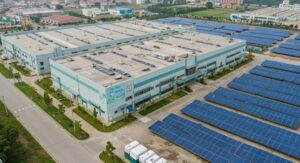
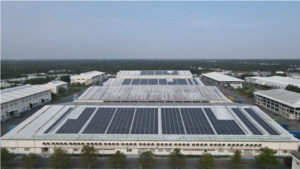
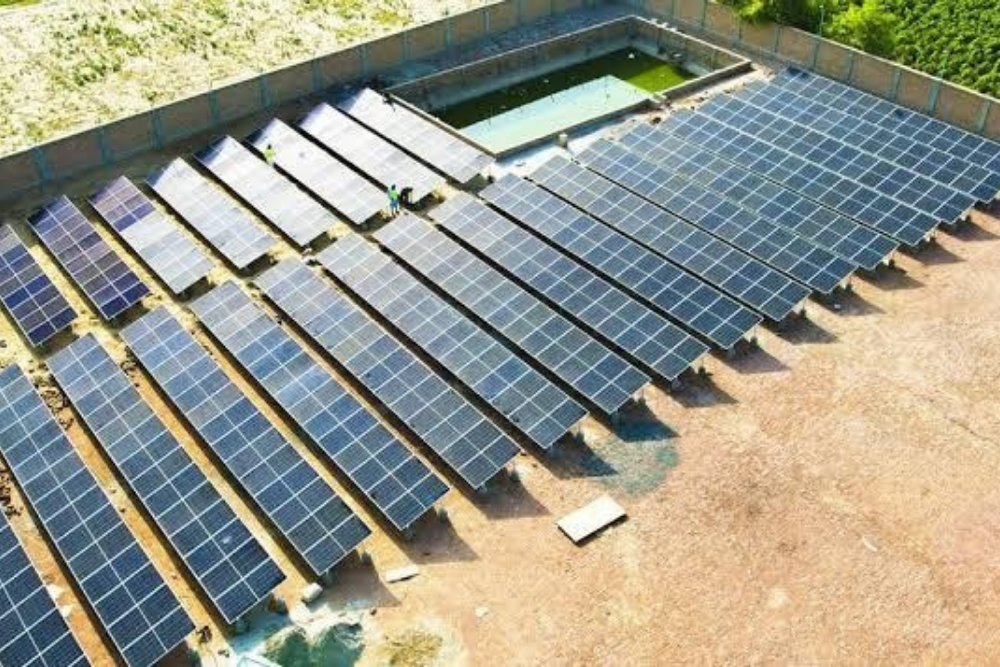
Several big cotton organizations establish their own solar farms. They include large buildings or open spaces close to the factory.
Benefits include:
- A multi-unit power source
- Reduce cost of electrical energy per unit over time.
- The factory plans to expand and thus requires space to expand itself.
This option requires further activities to be organized up front. It has the highest long-term savings for large-scale cotton production, however.
Choosing the Right Solution for Your Factory
There are different needs for each cotton mill. How to consider your decision.
When accessing hired contractors, be sure to ask these questions first.
- What is the run time of your mill each day?
- How often do power outages happen to you?
- What is your monthly electricity bill?
- Have a roof and/or land available for panels?
- How much money do you have to spend to set-up?
The answers that you give here will determine which solar solution is right for you.
Make sure you avoid the following issues:
- Installing an undersized system.
- Not considering proper site assessment
- Saving money on the installation of the inverter – choosing a lesser quality inverter.
- Not following dust and heat protection for equipment
Using this foresight, CellSol Energy can prevent these blunders from happening. Our team inspects your factory first and then recommends any system!
CellSol Energy Advantage
Cotton factories require more than only panels on the roof. They must have a well-drafted plan.
Our team includes:
- Engineers that design systems for heavy industry applications
- Practiced Technicians installing all components very carefully
- You will be guided by Solar Consultants in Lahore up to each and every step.
We’ll ensure that your solar panels and inverters operate optimally. Save real, save the hard, hard way.
Final Thoughts
There are genuine energy issues for the Pakistani cotton industry. High bills. Frequent outages. Rising costs.
Solar energy is the solution to these issues in several ways. There are options with the solar or perhaps hybrid or comprehensive battery storage and a solution that will work with your mill.
Call CellSol Energy today. We will help you choose the solar system suitable for your cotton factory.
FAQs
Which is the most suitable solar application in a Cotton Mill?
Most cotton factories are most suitable for hybrid solar systems. When the grid goes down, they continue to power machines and reduce dependence on the grid.
Will solar electricity be able to power heavy textile machinery?
Yes. Proper size of system will provide electricity for spinning machines, looms and dyeing units throughout the day.
Calculate Square footage needed for a factory power plant.
This will depend on your power requirements. More roof/ground surface required for larger factories.
Are cotton mills required to store energy?
Although it is not obligatory, it certainly helps. Batteries provide energy storage and power during an outage.
How does CellSol Energy help the cotton industries to get solar?
Your factory load is assessed by our engineers and then a custom solar system is designed for your factory. We then install it for optimum performances.