Toll Free: +92-0311-17778-65
Archive for September 9th, 2026
09 Sep
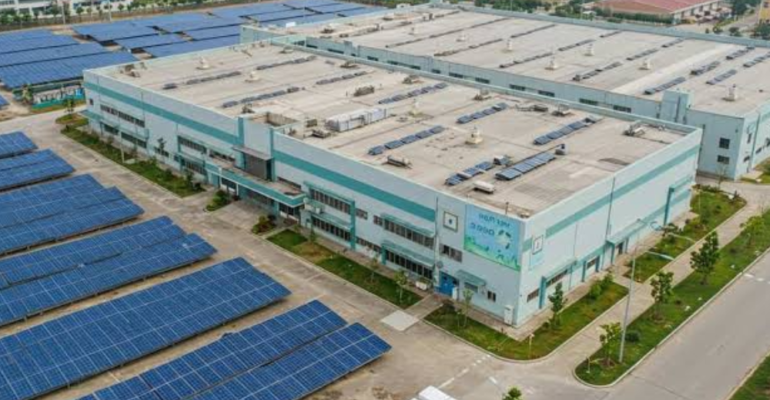

Solar Power for Textile Factories in Pakistan: A Complete Guide to Cutting Energy Costs
There is massive consumption of power in the textile factories. The spinning, weaving and dyeing sections are continuously active. This results in extremely high costs for electricity. The answer is solar power. It’s cost saving and provides reliable electricity to factories. This guide gives an introduction of working with the solar power system in textile industries in Pakistan. Why Textile Factories Need Solar Power In textile units’ large machines are operated for long periods of time. Production lines can be halted by power failures. This causes losses. Solar power provides a solution to both. It not only reduces downtime, but it also cuts costs. High Power Demand in Textile Units There are several uses of energy in textile factory: Spinning machines Weaving looms Units concerned with dyeing and finishing. Cooling systems Large factory space infra lightings This is a big usage which results in exorbitant bills every month. Impact of Load Shedding When load shedding occurs, machines are turned off during part of the process. This can affect the quality of the fabric. It results in raw material loss as well. Solar power diminishes this risk by providing regular energy supply. Benefits of Solar Power for Textile Factories Solar energy boasts a number of benefits for textile factories. Lower Operating Costs The monthly electricity bills are reduced by solar power. This will rack up huge savings over time. Stable Production Equipped with solar and battery power, machines continue to run. This avoids production delays. Better for the Environment Solar energy is a carbon-saving source of energy. The demand for using green energy in factories is high among international buyers. Boosts Export Value For some global brands, they require eco products. For some global brands, they can request the manufacture of good quality environment friendly products. Solar energy contributes to the achievement of these requirements. Types of Solar Systems for Textile Factories Solutions for solar sets up are available for textile units. On-Grid Solar System It is connected to the WAPDA grid. Can supply extra power back to the grid. Off-Grid Solar System It’s a stand-alone system. Requires batteries for storage. Hybrid Solar System This will be a blend of grids and batteries. It provides the most dependable Factory setup. How to Choose the Right System There are important considerations in selecting the proper system. Steps to Follow Take a measurement of the power usage of your factory per day. Look at the times of peak load. Determine whether you need batteries to back your products up. Ensure you consult the experts when it comes to the size of your panel and inverter. Site Assessment Matters Wrong sizing may be prevented with a proper site check. This will help to save up money in the long run. Why Choose CellSol Energy CellSol Energy has a team of experienced engineers and qualified technicians. We know how much electricity power is required by textile mills. Our Process We check your factory’s power load. We tailor a system to your requirements. We provide 100% installation services. After sales technical support and maintenance services are provided. All the solar panels are kept working at their optimum performance. Cost of Solar for Textile Factories The factory size, the loading of the machines all affect the solar price. As factories grow in size, so will their systems. Factors that Impact the Price Total power load The generation system type (on-grid vs. off-grid vs. hybrid).On/off/ hybrid-grid system type. Battery size Panel and inverter brand Even though realizing the cost initially, most factories recoup the investment within a few years. Maintenance Tips Solar systems are kept in good condition with regular maintenance. Wash panels frequently to get rid of dust. Check cables and connections. Keep track of how much electricity is being produced each day. Have annual service checks done. Final Thoughts It is a good idea to use solar energy in textile mills in Pakistan. Saves money and eliminates the risk of failure. It also supports factories in responding to the demand for green energy by their customers. CellSol Energy assists textile factories in making the transition to solar through design and installation. FAQs How much can a textile factory save with solar power? Savings vary by factory size. Many factories cut bills by 40% to 60%. Can solar power run heavy textile machines? Yes. A correctly sized system can run spinning and weaving machines without issues. Is battery backup necessary for textile factories? It is helpful during load shedding, but not always required. How long does installation take? Installation time depends on system size, but most projects finish within a few weeks. Does solar power help with export orders? Yes. Many global buyers prefer factories using clean energy sources.