Toll Free: +92-0311-17778-65
Archive for February 24th, 2026
24 Feb

How To Reduce Load Shedding Impact With Solar For Flour Mills
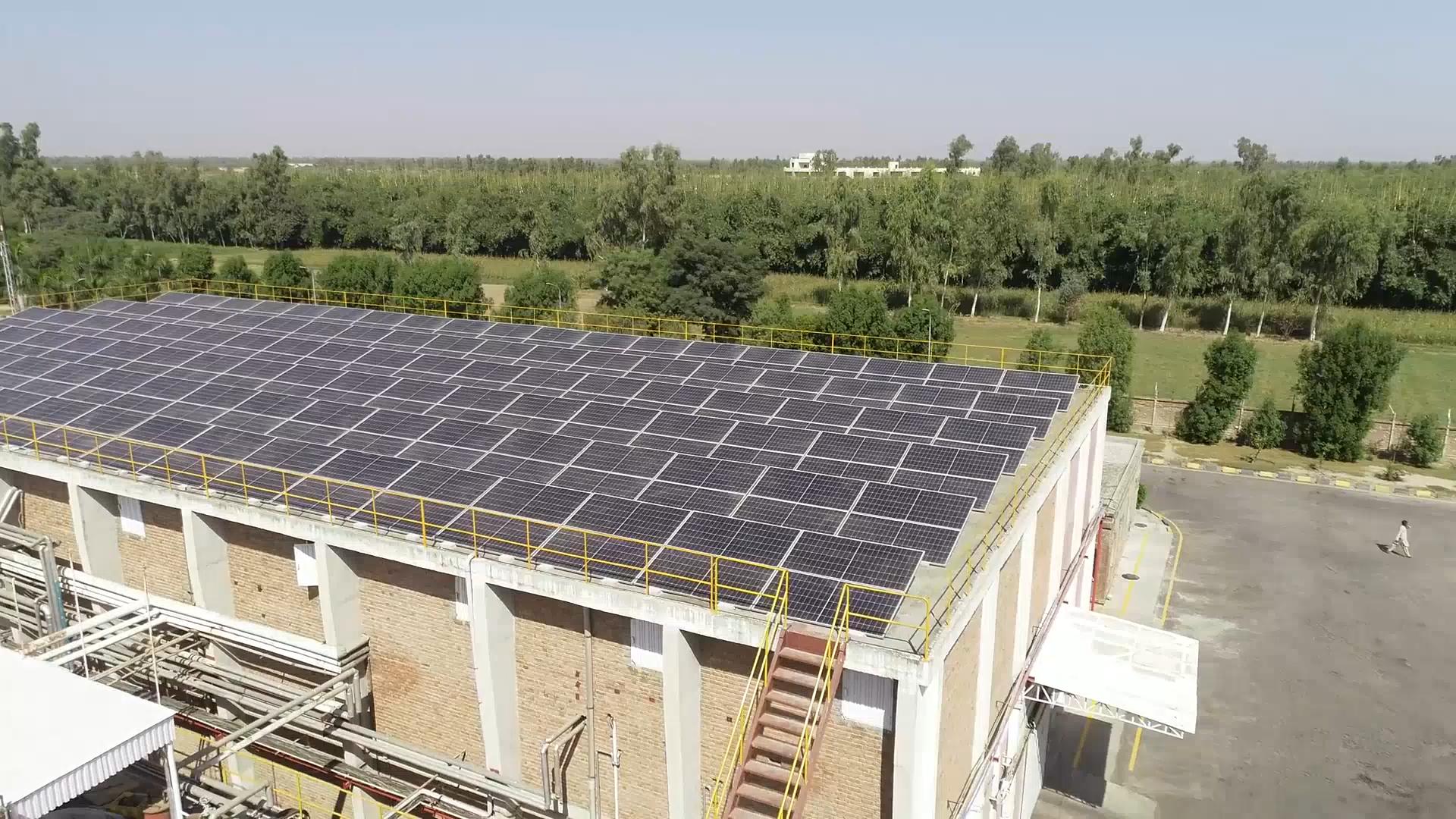
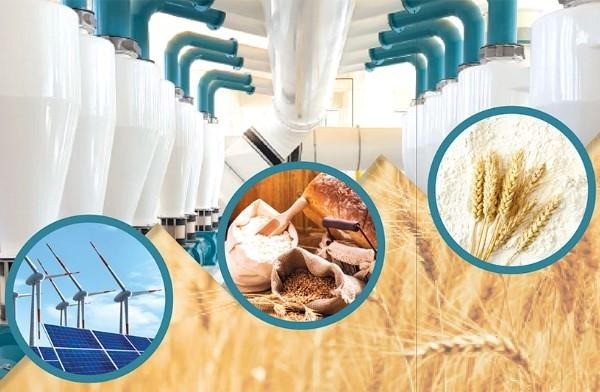
Industrial solar for flour mills is no longer a luxury; it is a survival strategy when load shedding disrupts production and damages profit margins. If you run a flour mill, you already know how power cuts stop grinding lines, delay packaging, and affect delivery schedules. The right solar strategy can protect your operations and keep your machines running smoothly. If you want stable production and predictable energy costs, now is the time to act. Partnering with a reliable expert like CellSol Energy can help you design a system that matches your mill’s real demand. Take control of your power today and secure your output for the long term. Why Load Shedding Hurts Flour Mills More Than Other Industries Flour mills rely on continuous processes. From cleaning and conditioning wheat to grinding and sifting, each stage depends on steady electricity. When the grid fails: Roller mills shut down instantly Grain elevators stop moving Packaging lines freeze mid-cycle Motors face stress during repeated restarts This leads to production loss, higher maintenance costs, and delayed shipments. In the food sector, delays also affect brand trust. That is why industrial solar for flour mills is gaining momentum. It provides reliable on-site power and reduces dependency on unstable grids. Industrial Solar for Flour Mills Industrial solar for flour mills involves installing large-scale photovoltaic systems designed to meet heavy motor loads and 24/7 operations. These systems are customized based on: Total connected load Peak demand hours Available rooftop or ground space Future expansion plans A properly designed solar power plant for flour processing units can offset 50–80% of daytime consumption. With battery backup or hybrid systems, you can further reduce downtime during outages. On-Site Solar Generation for Mills On-site solar generation for mills captures sunlight through photovoltaic panels installed on rooftops or adjacent land. The system converts sunlight into usable electricity, which powers motors, conveyors, and other equipment directly. Key components include: High-efficiency solar panels Industrial-grade inverters Smart monitoring systems Optional battery storage This setup ensures clean and stable energy supply. It also reduces reliance on diesel generators, which are costly and polluting. Rooftop Solar Systems for Food Industry Facilities Most flour mills have large, unused rooftops. These surfaces are ideal for rooftop solar systems for food industry facilities. Installing panels on rooftops saves land space and reduces installation costs. Benefits include: Lower electricity bills Reduced heat absorption in buildings Long system lifespan (20-25 years) Minimal maintenance For mills located in sunny regions, rooftop systems can generate significant daytime energy. This aligns perfectly with grinding shifts. Solar Energy Solutions for Grain Mills and Wheat Processing Units Solar energy solutions for grain mills must handle heavy motor loads. Roller mills, pneumatic systems, and sifters consume high power. That is why system sizing must be accurate. A professional assessment ensures: Proper inverter capacity Load balancing Voltage stability Safe integration with grid supply When done right, renewable energy for wheat mills improves operational stability and cuts energy expenses for decades. Energy Efficiency Solutions for Flour Factories Industrial solar for flour mills works best when combined with energy efficiency solutions for flour factories. Before installing solar, you should: Upgrade to energy-efficient motors Install variable frequency drives (VFDs) Improve power factor correction Optimize production scheduling These steps reduce overall demand. A lower demand means a smaller solar plant can meet a higher percentage of your needs. Solar Installation for FMCG Manufacturing and Flour Mills Flour mills fall under the broader FMCG manufacturing sector. Solar installation for FMCG manufacturing must meet strict safety and hygiene standards. Panels and wiring should not interfere with ventilation or sanitation protocols. A professional installer ensures: Compliance with electrical safety standards Proper structural analysis of rooftops Fire safety measures Seamless integration with existing panels This makes industrial solar for flour mills safe and compliant. Financial Benefits of Industrial Solar for Flour Mills Switching to industrial solar for flour mills is not just about avoiding load shedding. It is also about long-term savings. You benefit from: Reduced monthly electricity bills Protection from tariff hikes Faster return on investment (often 3-5 years) Increased property value Many regions also offer net metering. This allows mills to export excess power to the grid and earn credits. Choosing The Right Solar Partner Not every solar provider understands the unique load pattern of flour mills. You need a partner with industrial experience and technical depth. CellSol Energy stands out as a top choice for industrial solar for flour mills because it designs customized systems for heavy-duty manufacturing units. The company focuses on long-term performance, safety, and measurable savings. Before signing any agreement, ask for: Detailed load analysis ROI projections Warranty details Maintenance plans This protects your investment. Final Thoughts Industrial solar for flour mills gives you control over your operations in times of load shedding. It reduces downtime, lowers costs, and supports sustainable growth. With on-site solar generation for mills and energy efficiency solutions for flour factories, you can build a reliable energy backbone. If you are ready to reduce power disruptions and secure your production, consult CellSol Energy today. Take action now and transform your mill into a resilient, energy-smart facility. FAQs How Much Solar Capacity Does a Flour Mill Need? The required capacity depends on your connected load and daily energy consumption. A medium-sized flour mill may require anywhere between 200 kW to 1 MW of solar capacity. A proper energy audit provides accurate sizing. Can Solar Fully Replace Grid Electricity in Flour Mills? Solar can offset a major portion of daytime usage. However, for complete independence, you may need battery storage or a hybrid system. Most mills use a grid-tied system with net metering. What Is the Average Payback Period for Industrial Solar for Flour Mills? The average payback period ranges from 3 to 5 years, depending on system size, electricity tariffs, and available incentives. Is Solar Safe for Food Processing Environments? Yes. Properly installed rooftop solar systems for food industry facilities meet electrical and safety standards. They do not interfere with hygiene protocols. Does Solar Work During Load