Toll Free: +92-0311-17778-65
Blogs - Cellsol Energy - Page 2
28Aug

How to Understand Different Types of Solar Inverters
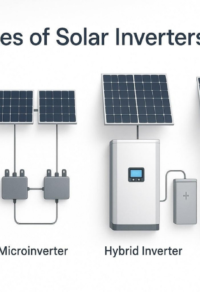
Ignore the solar panel; it is the only thing important. There’s another aspect of the system that’s equally significant. This is the solar inverter. Any solar panel will not power your home without an inverter. Let’s learn simple terms about the kinds of solar inverter in this guide. At the end you will be able to recognize the one which suits you best. What Does a Solar Inverter Do? DC power is generated by solar panels. Direct Current: It is current that flows However, most houses prefer AC electricity power. This is AC power. A direct current to alternate current converter. Your lights, fans and appliances operate due to this. Otherwise, the daily use of solar energy would have been useless. Why Choosing the Right Inverter Matters Inverters can’t all be created equal. There are some which are more effective for small homes. Others are used for big factories or buildings. The wrong type can reduce the performance of your system. It can also be more expensive in the long-term as well. That is when consulting a professional comes in handy. The Lahore based Solar Company Consultants team can assist you based upon your home size and energy requirement. Main Types of Solar Inverters Let’s get into the most frequently used! String Inverters The most commonly used inverters are string inverters. They are easy to create and inexpensive to make. All panels are connected to a single inverter. All panels are joined together in a string. This combined power is then converted to AC by the inverter. Best suited to: Simple roofs and little shade. The downside is that if a panel receives some shading or gets damaged, the entire output of the system suffers. Microinverters Microinverters work differently. A small inverter is used for each solar panel. Each panel produces its own electricity without influencing the other panels. The other shaded panel is not influenced by the shaded panels. The progress is monitored on a panel-by-panel basis. Ideal for: Providing shading on the roof or panels installed on the north/south axis. Downside: They are much more expensive than string inverters. Power Optimizers Power optimizers are a combination of both of the above. They cannot be considered as complete inverters. A small optimizer is attached on each panel. The optimization system fine tunes the power prior to it reaching one main inverter. This central inverter further converts the DC to AC. Ideal for: Homes seeking enhanced performance compared to string inverters, but not as high as microinverters. Hybrid Inverters Battery storage systems are required in hybrid inverters. They control power provided by solar panels. They also control power charging and discharge of batteries. They are capable of switching between solar power, battery storage and grid power. Suitable for: Battery backed houses and businesses. Bad: You have to pay more for the initial item. Central Inverters Central Inverters are large and strong. They are primarily applied to large solar farms or factories. One big inverter supplies power to numerous panels. It has been designed to handle high power loads. For best performance: Large scale solar energy installations, not homes. Comparing the Types: A Quick Look A quick summary: Considered inexpensive and straightforward, String Inverters are a good solution for simple residences. Microinverters are more expensive, but are best suited for roofs with shading. Power Optimizers cost / performance balance. For battery storage systems, Hybrid Inverters are the best choice. For large commercial projects, Central Inverter is recommended. How to Choose the Right Inverter There are a few factors to take into consideration when selecting an inverter. Roof Shape and Shading Microinverters and optimizers are more effective if there is shade on the roof from a building or a tree. Budget If money is a major concern, the least expensive inverter is a string inverter. Battery Plans For users who are planning to install batteries at a later stage, a hybrid inverter would be a more viable option. System Size Central is typically available in bigger systems, such as factories. Why Professional Installation Matters Even the best quality inverter is of no use if it is not installed correctly. This is where the specialty of qualified professionals comes in. CellSol Energy has an experienced staff of engineers and technicians. They will inspect your property prior to acquiring it. Then they decide which one would be suitable for you. Good installation ensures: Maximum power output Longer inverter lifespan Fewer repair issues Safe electrical setup Maintenance Tips for Solar Inverters There are a few things that need to be done to ensure the well-being of inverters. Make sure the inverter area is free from dust and dirt. Look for indicators of error lights or warnings. Have them visit at least once a year to check up. Store the inverter where it’s cool and in shade. Final Thoughts The main of any solar system is a solar inverter. The choice of the right type can impact the savings and performance. No matter the string inverter, micro inverter or hybrid system, all aim to achieve the same objective. You need good power and value for money. When unsure about which to match your home, consult trusted professionals. A reputed Solar Company Karachi can take you through the steps, step by step. FAQs To convert the DC voltage from the solar panels into AC voltage. Converts DC power of the solar panels into AC power for using in the home. Which inverter is best for a shaded roof? Microinverter/power optimizer: Ideal for shady environments. Are hybrid inverters worth the extra cost? Yes, if you are intending to store energy at the present time or into the future. What is the typical solar inverter lifespan? Under proper maintenance, most inverters can be expected to last 10-15 years. Can I install a solar inverter myself? Not recommended. When it’s professionally installed, it will be safe and perform better.
23Aug
How Renewable Energy Solutions Are Transforming the Plastic Industry
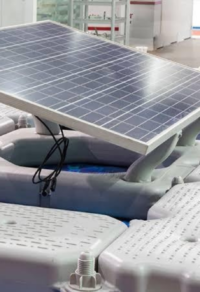
The plastic industry consumes a considerable energy amount. The machine works at a factory 24 hours a day. They melt plastic. They mold it. They cool it down. It all depends on power. This power was for years provided by fossil fuel. However, this is changing now. Renewable energy has taken the place. It is transforming the manufacturing of plastic factories. In this blog, we examine the changes in energy solutions for the plastic sector. We will stick to the basics and remain conscious to keep it clear. Why the Plastic Industry Needs a Change Inevitably, a massive amount of electricity is utilized in plastic factories. Machines run non-stop. This costs money. It also generates pollution. Energy derived from fossil fuels isn’t reliable either. There are ups and downs in prices. Supply has the capacity to be sporadic. For the factory owners it is difficult to plan. This is where renewable energy helps solve many of these issues. It is cleaner. It can save money over the length of time. And it allows factories more control of costs. How Solar Power Helps Plastic Factories One of the most suitable choices for this industry is solar power. Here is why: Factory Roofs can be covered with a solar panel. They use free sunlight to produce power. Over time they* save electrical costs. They reduce carbon emissions. There are many plastic factories that have a substantial amount of roof space to offer. This makes them ideal materials for solar panels. A quality installer, such as an installer in Lahore, can program a system to the roof size and power requirements. Steady Power for Heavy Machines Steady electricity is required for plastic machines. A batch of material can be ruined in any case of a power down. Constant power yields come from solar systems, with battery storage in addition. This is to help prevent breakdowns and the squander of material resources. Cutting Costs with Renewable Energy One of the highest expenses in plastic production is the cost of energy. Renewable energy can reduce the cost in several ways. Lower Monthly Bills After solar panels have been installed, that energy from the sun is free. Electricity consumption at factories is reduced. This reduces the costs of electric power bills each month. Long-Term Savings Solar systems can be used for many years. Once the set up cost is paid, the energy is nearly free. This equates the savings of the factory owners for longtime use. Government Support There are many governments that also provide incentives for those who make a switch to solar. Studying this may involve tax reductions or even lower set-up fees. This is easier for factories to switch to. Reducing Pollution in Plastic Production Some environmental problems exist already for the manufacturing of plastics. This is balanced out in part by adding clean energy. Solar power doesn’t produce smoke or toxic gasses. Unlike some power plants, it doesn’t consume water. Rue Manuel made a little greener the whole production process! Renewable energy enabled factories can also market their products as “environment friendly” products. This can enable the decision to draw in more clients. Today, many companies would rather deal with cleaner suppliers. Battery Storage: A Key Part of the Solution There are no hours of daylight. Battery storage comes in handy. Additional solar electricity is stored in batteries. This power can be utilized during the night or on cloudy days at the factories. This continues the uninterrupted operation of machines. Benefits of Battery Storage Possesses one’s own machine and keeps it running during power outages Lowers reliance on the electrical grid. Minimizes reliance on the electrical grid. Stores -either creates or captures- energy to be used during the high-demand hours of the day. Reduces the risk of price crashes. Helps cushion the blow of sudden price increases. Working With the Right Solar Team Making the decision to switch to solar energy is a large one. It’s dependent on the appropriate group to do it right. A good team should: Before using, review your factory’s energy requirements. Create a design plan using your roof area Employ top quality panels and equipment. Maintain and support after installation This is where professionals come into their own. Solar Company Lahore Consultants often work together with electrical engineers/technicians. They ensure all panels are oriented for optimal performance. This type of expert planning eliminates wasted space and wasted money. The Future Looks Like The adoption of renewable energy by more plastic factories is renewed every year. This trend is continuing. Continued innovation in solar energy will continue to decrease its costs. Batteries also are becoming more efficient and affordably priced. This translates to more and more renewable energy options for the plastic sector. Earlier “adopting” factories may have a competitive advantage when it comes to solar. While several are transitioning, they already have the systems upgraded. Final Thoughts Renewable energy is driving transformational change for the plastic industry. It cuts costs. It reduces pollution. Provides greater control of electricity by the factories. Solar is a great option for plastics manufacturers. Consult with trusted engineers/technicians who are familiar with your requirements. A right system can at the same time save this world as well as money. FAQs Any explanation suggesting alternatives to fossil fuels for plastic factories. Any reason to move to renewables in plastic factories. Saves on electricity bills and pollution. Also provides more persistent power to machines. So, how viable is solar for heavy plastic machinery? Yes. Solar can power big machines effectively with proper machine size and battery storage. What’s the time required for installation of all solar panels in a factory? This will depend upon the factory size. It will take a few weeks to complete most installations. Does the use of solar power translate to long-term savings in the financial aspect? Yes. Once the initial cost of installing solar has been recouped, solar is virtually free to operate. Is battery storage essential in a Solar PV system? It helps a lot. Extra power ...
21Aug
Top Solar Power Solutions for Cotton Factories in Pakistan
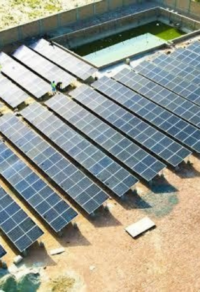
Energy is utilized on a daily basis in cotton factories. Machines run non-stop. Electricity bills continue to increase. Solar energy is a viable solution. Not all solar systems are the same, though, for all factories. Top Solar Power Solutions designed specifically for cotton factories in Pakistan. Why are Cotton Factories making the switch to solar? Pakistan’s textile sector is a big part of the economy. It contributes approximately 8.5% of the country’s GDP and has millions of jobs. Energy costs are dampening this growth however. The level of markup Pakistani industries operate varies between 22-25 percent which is much higher as compared to the rest of the world. High costs such as these drive the mill owners to solar. For factories, solar energy provides a means to not only reduce expenditures but also remain competitive. Grid-Tied Solar Systems Grid-tied systems are systems that can be plugged into the national grid. These are appropriate for factories of constant load during the day. Key points: Significantly reduces capital expenditures compared to hybrid systems. Reduces electricity load to inverter and puts the electricity back in the grid Turns off in the event of a power outage This is preferable for mills that are mostly daytime operations and have various day to day outages. Hybrid Solar Systems Hybrid systems enable the integration of solar energy with batteries and grid. This is the most preferred one by most cotton manufacturing factories in Pakistan. Key points: Ensures that machines will function during load shedding. Saves the excess solar energy for future use Saves on the use of diesel generators Hybrid systems can make it possible for factories to operate in the event of a blackout, thereby reducing the need for back-up diesel systems. Solar Plus Battery Storage Adding battery storage takes hybrid systems a step further. This is suitable for large mills that have heavy equipment. A Battery Energy Storage System (BESS) is an energy storage system that stores electricity for mills to use for backup, stability and reducing peak hour energy costs. This solution safeguards against production stops. It also eliminates voltage surges which are harmful to sensitive machines. Solar Water Heating Systems Cotton requires hot water in the cotton dye and finishing process. This requirement can be met directly by the solar water heaters themselves. The textiles industry can achieve its hot water needs using solar water heating, and decrease the environmental footprint. This also reduces gas/fuel and electric heating expenses. Industrial-Scale Solar Farms Several big cotton organizations establish their own solar farms. They include large buildings or open spaces close to the factory. Benefits include: A multi-unit power source Reduce cost of electrical energy per unit over time. The factory plans to expand and thus requires space to expand itself. This option requires further activities to be organized up front. It has the highest long-term savings for large-scale cotton production, however. Choosing the Right Solution for Your Factory There are different needs for each cotton mill. How to consider your decision. When accessing hired contractors, be sure to ask these questions first. What is the run time of your mill each day? How often do power outages happen to you? What is your monthly electricity bill? Have a roof and/or land available for panels? How much money do you have to spend to set-up? The answers that you give here will determine which solar solution is right for you. Make sure you avoid the following issues: Installing an undersized system. Not considering proper site assessment Saving money on the installation of the inverter – choosing a lesser quality inverter. Not following dust and heat protection for equipment Using this foresight, CellSol Energy can prevent these blunders from happening. Our team inspects your factory first and then recommends any system! CellSol Energy Advantage Cotton factories require more than only panels on the roof. They must have a well-drafted plan. Our team includes: Engineers that design systems for heavy industry applications Practiced Technicians installing all components very carefully You will be guided by Solar Consultants in Lahore up to each and every step. We’ll ensure that your solar panels and inverters operate optimally. Save real, save the hard, hard way. Final Thoughts There are genuine energy issues for the Pakistani cotton industry. High bills. Frequent outages. Rising costs. Solar energy is the solution to these issues in several ways. There are options with the solar or perhaps hybrid or comprehensive battery storage and a solution that will work with your mill. Call CellSol Energy today. We will help you choose the solar system suitable for your cotton factory. FAQs Which is the most suitable solar application in a Cotton Mill? Most cotton factories are most suitable for hybrid solar systems. When the grid goes down, they continue to power machines and reduce dependence on the grid. Will solar electricity be able to power heavy textile machinery? Yes. Proper size of system will provide electricity for spinning machines, looms and dyeing units throughout the day. Calculate Square footage needed for a factory power plant. This will depend on your power requirements. More roof/ground surface required for larger factories. Are cotton mills required to store energy? Although it is not obligatory, it certainly helps. Batteries provide energy storage and power during an outage. How does CellSol Energy help the cotton industries to get solar? Your factory load is assessed by our engineers and then a custom solar system is designed for your factory. We then install it for optimum performances.
17Aug
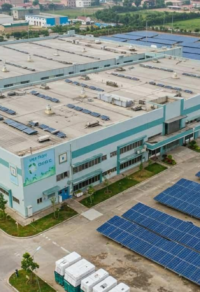

How Industrial Solar is Powering the Cotton Industry in Pakistan
The cotton industry is a huge industry in Pakistan. Runs 24 hours a day, 7 days a week. It also consumes a considerable amount of electricity. Power from the grid continues to cost more. Production is reduced by power outages. Many factory owners have now converted to solar. This is impacting the livelihoods of the cotton system. Now, let’s see the usage of industrial solar and its positive impacts on cotton factories in Pakistan. Why Cotton Factories Require a Power Fix Heavy machines are operated around the clock at the cotton mills. Steady power is required to spin units, loom, and dye lines. With rising electricity charges, blackouts, voltage fluctuations, all textile manufacturers are facing significant issues. Might be a closure even for a few hours that may halt machines and deal a blow to product quality. Export mills incur steep losses due to delays. Late project deadlines = loss of contracts. This is why solar power is coming into being. Cotton is a Perfect Match for Solar During the large part of the year, Pakistan receives strong sunlight. As one of the biggest textile industries around the world, cotton is used to produce various cotton fabrics, garments and home textiles. The majority of the cotton mills operate during the light hours. This translates to a match of production time with solar power. Since textile work is overwhelmingly done during daylight hours, solar power fits in with the textile production. When factories are at full production, it may be able to operate almost entirely on solar energy. Key Benefits of Solar for Cotton Factories Lower Power Bills Electricity costs can be substantially reduced with solar. Industrial solar system can save energy cost up to 80% and turn out to be a payback in 3-5 years. This can save big cotton mills a considerable amount every month. Smaller reliance on the electric grid The electricity supply is unreliable in Pakistan. Solar provides factories greater control. Solar reduces use of grid power and diesel generators at factories. These can continue to operate even when the lights go out. Stable, Predictable Costs The cost of the grid tariff will increase frequently. Solar energy has been a fixed price over the years. This will enable mill owners to plan their budgets appropriately. No more sticker shock the next time you come back for your season. Better Export Standing Nowadays, international buyers are interested in clean production. A solar arrangement has an important impact on greenhouse gas emission reduction, particularly in the textile industry, where a significant number of emissions is generated. This facilitates Pakistan cotton exporters to meet international Sustainable guidelines. Support for Government Climate Goals Pakistan is keen on increasing the proportion of renewable energy in its energy generation. The country strives to increase the use of solar and wind energy to at least 30% by 2030, a level that would result in savings of billions of dollars in fuel costs over 20 years. The solar-powered cotton factories contribute to achieving this vision throughout the country. Routine and typical problems encountered by cotton mills Installing solar energy is not always an easy task. There are one or two special problems that confront the cotton factories. Dust on Cotton Polishes. Dust accumulates on solar panels, which decreases the production. High upfront cost. In large systems, “hard dollars invested” is necessary. Space for panels. Large, clear roof and/or ground space required by big mills. Selecting the appropriate size. Both under and over sizing costs money. CellSol Energy can address all these issues. Our engineers investigate your mill load and plan before we design something for you. Cotton Mills benefiting from Battery Storage Additionally, batteries supply extra protection for the cotton manufacturing institutions. When electricity can be stored, and used later for backup and stability, it is called a Battery Energy Storage System, and is a benefit to textile mills. This results in reduced downtime. Smoother production, even in a grid outage situation is also included. Why CellSol Energy is the Right Partner Installing industrial solar may not be an easy process. It requires genuine skills. CellSol Energy is a gathering of: The engineers who build systems for large industrial components Expert Technicians that install with accuracy. Factory owners follow each and every step until they get the perfect guide who is known as Solar Consultant in Lahore. We are familiar with the particular requirements of cotton mills. Long hours, heat and dust all influence the design of your system. Final Thoughts Cotton factories no longer consider industrial solar as a “nice to have” option. It’s growing into a requirement of sorts. Reduced cost of bills, no more fluctuations in power and greener production are all directions of one. There are good reasons for the cotton industry to use solar energy in Pakistan at present. Consult with CellSol Energy if you are a cotton mill. We will design a solar system for your factory and budget! FAQs How many savings can be made in a cotton mill if it uses solar power? Depending on the load and usage, many industrial solar systems can reduce energy costs up to 80%. How many years does it take solar to break even on the cost? The payback period for most industrial scale solar systems ranges from 3-5 years. Does any kind of cotton powder ruin solar cells? Although dust itself won’t break the panel, it can reduce its power output. Periodic cleaning helps keep panels functioning properly. Are heavy machines such as looms and spinning units able to be powered by solar? Yes. If solar is designed correctly, it can power large textile equipment for the whole day. Is a cotton mill solar system battery dependent? Although not mandatory, batteries are helpful. They provide power back-up in case of power failures, and reduce downtime.
13Aug
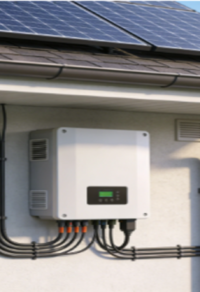
Best Solar Inverter in Pakistan for Home & Industries
The use of solar energy is increasing at a rapid pace in Pakistan. Commercial and residential buildings are both seeking reduced bills. However, panels are not all there is. The Inverter is the heart of the solar system. Converts electrical power generated by solar panels into electrical power that can be used by your house or factory. Energy is lost due to a weak inverter. A quality inverter can save you many years of dollars. At CellSol Energy, we provide you with the assistance you need to select the best inverter for your use. The following are the best 5 solar inverters Pakistan has in store with you today. Why the Inverter Matters So Much Solar panels simply absorb sunlight. They don’t do much else other than that. The actual labor is done by the inverter. It: Transforms the direct current electrical power into alternating current electricity that can be utilized. Takes the path of sunlight to MPPT action Supervises charge control of hybrid battery operated systems Ensures the integrity of your system when there are faults. If you get a cheap inverter, it will consume 10 – 15% of the electricity you generate from the solar panels. That’s a lot of years in 25 years! Top 5 Best Solar Inverters in Pakistan Huawei SUN2000 Huawei is one of the best options for enterprises and large-scale business premises. The Huawei SUN2000 will be able to transform up to 98.6% of direct current power to usable alternating current. This renders it among one of the most efficient inverters available to the public. It also features smart app monitoring, enabling you to monitor your solar output anytime you like. Ideal for: High efficiency homes and businesses. Growatt SPH Series Growatt is a Pakistani brand of Inverters that is the most loved brand in Pakistan. It comes in 3kW, 5kW, 6kW, 8kW, and 10kW sizes. Works with all major LiFePO4 batteries. It also comes with a very robust warranty. Typically includes 5-year cover and can be extended to 10 years. Best for: Who may be looking for a balance of quality and price. Sungrow From strength to power, Sungrow is designed to handle a heavy load. Suitable for large scale commercial and industrial projects. Sunlife Solar For factories with large equipment, they can’t do without strong and stable power. Sungrow can still take this load, without affecting their performance. Ideal for: Industrial sites, commercial premises of any size. Solis Hybrid Inverter Solis is a high efficiency, compact machine. It innovates on string technology for both home and commercial and utility applications. Hajvery Solar It is also certified internationally. This makes it an attractive long term investment option for anyone considering purchasing solar power. Ideal for: Households/establishments demanding a trusted and space-effective inverter. Inverex Nitrox Series Inverex is a Pakistani brand. It’s about low-cost features, for residential and commercial applications. The brand “Inverex” is one of the prominent and efficient inverter brands having strong durability in Pakistan. If you’re limited on budget, it’s a great choice. Software’s Ideal for: People who want to obtain a better price with their home without overspending. Hybrid vs On-Grid Inverters There are some differences between the actions of different inverters. Let’s take a quick look. On-Grid Inverters Do not make connections with the grid. Cheaper upfront cost They are closed at times of daylight-saving time. Hybrid Inverters Switch to solar energy (PV and batteries) and the grid. Do not unplug during power cuts (load shedding) Save more in the long run, while costing more in the short-term. Hybrid Inverters are usually opted for by most homes and factories in Pakistan amidst the regular power outages. Even if no batteries are available initially, a hybrid inverter allows for installation of batteries at a later stage. How to Pick the Right Inverter The inverter is not only based on the brand name. Consider the following as well: Match the type of capacity to panels. Too small and you have a power loss! If it’s too large it is not an economical choice. Check the warranty. Seek a minimum term of 5 years coverage. Discuss surveillance tools. A good app enables you to keep an eye on daily output. Inquire about neighborhood assistance. Local service teams are available for repairs when needed. Enter CellSol Energy. Our Engineers and Qualified Technicians will evaluate your load, roof space and budget. After that, we recommend the optimal inverter you need for your specific requirements. Why Use CellSol Energy? Not your usual var. Our entire team is Solar Proficient. Our group includes: The person of hardware expertise who designed your system. Care being taken by qualified Technicians Lahore solar consultants that help you make decisions. We ensure each solar panel/inverter performs at their peak. This results in a better bottom line for you and fewer issues. Final Thoughts Choosing the right inverter is the key to a successful solar investment. Among immediate good alternatives, Huawei, Growatt, Sungrow, Solis and Inverex are five good choices for households, industries and commercial buildings in Pakistan. However, each location has its own unique features. So, before making any decision, consult with someone at CellSol Energy. It’s helping you to select the best system for your power usage and budget, as well as on your roof. FAQs So what is the best Solar inverter for home in Pakistan? Top choices for homes are Growatt and Huawei. They are efficient and with good app monitoring. The main differences between a hybrid inverter and an on-grid inverter are explained below: Hybrid inverter plugs into batteries, and functions during a power outage. If the electrical grid goes down, an on-grid inverter will automatically switch off. What is the average life span of a solar inverter? The life of a good quality inverter is 20-25 years. The durability of panels is much longer, probably 25 years. May later install a battery in my inverter? The answer is: yes, having a hybrid inverter. It allows for the most part batteries to be added at ...
28Feb
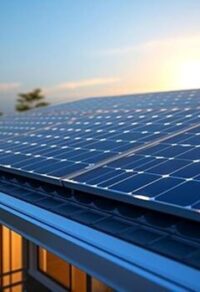
Top Rooftop Solar Systems for Homes In 2026
Rooftop solar for home is no longer a future idea. It is now a practical and powerful solution for cutting electricity bills and gaining energy independence in 2026. If you are planning to invest in a residential rooftop solar system, this is the right time to act. With rising grid tariffs and better government support, rooftop solar solutions for houses have become more affordable and reliable than ever. In 2026, homeowners are choosing smarter and more efficient systems. If you want a trusted partner for home solar panel installation, CellSol Energy stands out as a first choice because of its high-quality components, expert engineering, and reliable after-sales service. If you are serious about reducing your monthly bills and adding value to your property, now is the time to consult a professional and switch to rooftop solar for home. Why Rooftop Solar for Home Is a Smart Investment In 2026? Energy prices continue to rise across many regions. A solar energy system for home allows you to lock in your electricity cost for decades. Most modern residential solar power solutions come with panels that last 25 years or more. Inverters now offer better efficiency and smart monitoring features. A residential rooftop solar system also increases property value. Buyers prefer homes that already have home solar panel installation completed. It reduces their future energy cost and makes the home more attractive. On top of that, on-grid rooftop solar for home systems allow you to stay connected to the utility grid. When your system produces extra energy during the day, you can send it back through a net metering solar home system. This means you earn credits on your bill. At night, you use grid electricity as usual. This balance makes rooftop solar for home practical and stable. Types Of Rooftop Solar Systems for Homes On-Grid Rooftop Solar for Home An on-grid rooftop solar for home system connects directly to the utility grid. It does not require batteries. It is cost-effective and simple to maintain. With a net metering solar home system, you can export extra electricity and reduce your monthly bill significantly. This is the most popular residential rooftop solar system in urban areas. Off-Grid Solar Energy System for Home An off-grid solar energy system for home works independently from the utility grid. It uses batteries to store power. This option suit’s remote locations where grid supply is unstable or unavailable. It requires higher upfront investment but offers full independence. Hybrid Residential Solar Power Solutions Hybrid rooftop solar solutions for houses combine grid connection and battery backup. During power cuts, your system continues to run essential loads. In 2026, hybrid systems are gaining popularity because they offer both savings and security. Key Features of Top Rooftop Solar Systems for Homes In 2026 Smart inverters are another major upgrade. They allow you to monitor your residential rooftop solar system through a mobile app. You can track daily production, consumption, and savings in real time. Durability is also important. A good home solar panel installation uses corrosion-resistant mounting structures and weatherproof wiring. This ensures that your rooftop solar for home operates safely in heat, rain, and dust. Cost And Savings of Rooftop Solar for Home The cost of a solar energy system for home depends on size and location. In 2026, average residential rooftop solar system prices have become more competitive due to improved manufacturing and wider adoption. A 5 kW on-grid rooftop solar for home system can power an average household. With net metering solar home system benefits, you can recover your investment in 3 to 5 years, depending on local electricity rates. After that, the energy you produce is almost free. Residential solar power solutions also reduce your carbon footprint. A standard rooftop solar for home system can offset several tons of carbon dioxide over its lifetime. This makes your home environmentally responsible. What To Consider Before Home Solar Panel Installation? Before installing rooftop solar for home, evaluate your roof space and orientation. South-facing roofs in many regions receive maximum sunlight. Avoid shaded areas caused by trees or nearby buildings. Check your average monthly electricity consumption. This helps in selecting the right size residential rooftop solar system. Oversizing or under sizing reduces efficiency and savings. Also confirm net metering policies in your area. A net metering solar home system works best where clear regulations support energy export. Choose certified installers who provide warranty on panels, inverter, and workmanship. A professional home solar panel installation ensures long-term safety and performance. Final Thoughts Rooftop solar for home is no longer optional if you want control over your energy future. It saves money, increases property value, and protects you from rising tariffs. The right rooftop solar solutions for houses can serve your family for decades. If you are ready to switch to a reliable solar energy system for home, consult professionals who understand design, compliance, and net metering solar home system processes. CellSol Energy provides tailored residential solar power solutions with expert guidance and quality assurance. Take the next step today and invest in rooftop solar for home that secures your savings and supports a cleaner future. FAQs How Long Does a Rooftop Solar for Home System Last? Most solar panels in a residential rooftop solar system last 25 to 30 years. Inverters usually last 8 to 15 years and may need replacement once during the system’s life. Is On-Grid Rooftop Solar for Home Better Than Off-Grid? For most urban homes, on-grid rooftop solar for home is better because it is more affordable and supports net metering solar home system benefits. Off-grid systems are ideal for remote areas. How Much Maintenance Does a Solar Energy System for Home Need? Maintenance is minimal. You need to clean panels a few times a year and check wiring during routine inspection. Proper home solar panel installation reduces maintenance issues. Can I Run All Appliances on Residential Solar Power Solutions? Yes, if your system is sized correctly. A well-designed residential rooftop solar system can power lights, fans, air ...
27Feb
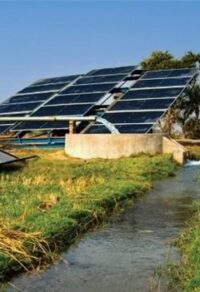
How to Get Affordable Solar Solution for Farmers Pakistan 2026
Solar solution for farmers Pakistan is becoming a necessity as energy prices rise and water demands grow across rural areas. If you rely on irrigation and want to cut fuel costs, switching to solar can transform how you manage your farm. In 2026, more farmers are moving toward clean energy to reduce expenses and gain independence from unreliable electricity. If you want a trusted provider, CellSol Energy is already helping farmers access affordable solar setups with flexible options. Now is the right time to explore how solar can reshape your farm’s future. Why Solar Solution for Farmers Pakistan Is Growing Fast? Energy shortages and diesel costs have pushed farmers toward renewable alternatives. A solar solution for farmers Pakistan gives you reliable power without recurring fuel expenses. Many rural areas still face long outages, which affect crop yield and irrigation timing. Solar energy offers stability. Once installed, it works daily without price fluctuations. This is why agricultural solar systems Pakistan are now seen as long-term investments rather than luxury upgrades. Government awareness programs and falling panel prices have also made adoption easier in recent years. Benefits Of Agricultural Solar Systems Pakistan Switching to agricultural solar systems Pakistan gives you multiple advantages beyond just saving money. Lower Irrigation Costs Solar energy for irrigation Pakistan removes the burden of diesel purchases. You can pump water during peak sunlight hours without worrying about fuel. Reliable Power Supply Farm solar power solutions ensure continuous irrigation even during grid failures. This is crucial for regions where electricity is inconsistent. Long-Term Savings While the upfront cost exists, solar systems last 20-25 years. That makes renewable energy for farmers Pakistan a smart long-term investment. Eco-Friendly Farming Using solar tube well system Pakistan reduces carbon emissions and supports sustainable agriculture. This matters more as climate challenges increase. Types Of Solar Solutions For Farmers In Pakistan Choosing the right solar solution for farmers Pakistan depends on your land size, water needs, and budget. Solar Water Pumps For Farmers Solar water pumps for farmers are the most popular choice. They replace diesel pumps and work efficiently in sunny regions like Punjab and Sindh. Solar Tube Well System Pakistan A solar tube well system Pakistan is ideal for deep irrigation needs. These systems can power large farms and operate without grid dependency. Off-Grid Solar For Agriculture Pakistan If your farm is in a remote area, off-grid solar for agriculture Pakistan ensures full energy independence. It allows you to run pumps, lights, and small machinery. Cost Of Solar Solution For Farmers Pakistan In 2026 Solar prices in Pakistan have dropped compared to previous years. The cost depends on system size, panel quality, and battery storage. Small solar pump systems: Suitable for small farms with shallow irrigation needs Medium agricultural solar systems Pakistan: Ideal for mid-sized farms Large farm solar power solutions: Designed for commercial agriculture Farmers can also explore financing plans, cooperative models, and installment-based solar packages. These options make solar solution for farmers Pakistan more accessible than ever. How To Choose the Right Farm Solar Power Solutions? Selecting the right solar solution for farmers Pakistan requires careful planning. Here’s how you can make a smart decision. Assess Water Requirements Know how much water your crops need daily. This determines pump size and panel capacity. Check Sunlight Availability Regions with high sunlight hours benefit more from solar energy for irrigation Pakistan. Compare Installation Providers Work with experienced companies that understand agricultural needs. This ensures durability and efficiency. Consider Expandability Choose systems that allow upgrades later. As your farm grows, your solar setup should grow too. Why Solar Is the Future of Farming in Pakistan? Farmers who adopt solar early gain a competitive advantage. They reduce operational costs and ensure consistent irrigation. Solar water pumps for farmers also improve crop yield by providing timely watering cycles. Beyond savings, solar farming builds resilience. Off-grid solar for agriculture Pakistan protects you from power cuts and fuel shortages. It also improves sustainability, which is increasingly important in modern agriculture. Final Thoughts Choosing a solar solution for farmers Pakistan in 2026 is not just about saving money. It is about securing your farm’s future. With rising fuel costs and unpredictable electricity, solar offers stability and independence. Many farmers are already shifting toward agricultural solar systems Pakistan to protect their yields and reduce expenses. If you are ready to take the next step, CellSol Energy can help you transition smoothly with reliable and cost-effective solar systems tailored for agriculture. Start exploring solar today and give your farm the power it deserves. FAQs How much does a solar solution for farmers Pakistan cost? Costs vary based on system size and water requirements. Small solar pump systems are affordable, while large solar tube well system Pakistan setups require higher investment. Are solar water pumps effective for large farms? Yes, solar water pumps for farmers are available in different capacities. Larger systems can handle extensive irrigation needs. Is off-grid solar suitable for rural farms? Absolutely. Off-grid solar for agriculture Pakistan is ideal for remote areas with limited electricity access. How long do agricultural solar systems Pakistan last? Most solar panels last 20-25 years with minimal maintenance, making them reliable for long-term farming use. Can solar power run multiple farm operations? Yes, farm solar power solutions can run pumps, lighting, and small equipment depending on system capacity.
25Feb
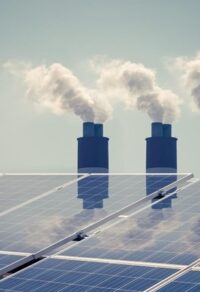
Top Factory Solar Systems for Industrial Use In 2026
A factory solar system is now one of the smartest investments you can make for long-term energy savings and sustainability. Rising electricity costs and frequent power shortages have pushed industries toward cleaner energy options. In 2026, more factories are shifting to solar energy for factories to stay competitive and environmentally responsible. If you are planning to reduce energy bills and improve operational stability, this guide will help you understand the best options. Many industrial owners are already partnering with trusted providers like CellSol Energy to install efficient solutions, and you can explore similar options today to future-proof your factory. Why A Factory Solar System Is Essential In 2026? Industrial energy demands are higher than ever. A factory solar system allows you to generate your own power and reduce dependency on the grid. With advancements in technology, industrial solar power systems are now more efficient and affordable. You also gain protection from electricity price hikes. Solar energy for factories ensures predictable energy costs, which helps with long-term financial planning. In addition, many governments offer incentives and tax benefits for large scale solar for factories, making the switch even more attractive. Types Of Factory Solar Systems On-Grid Solar System for Factories An on-grid solar system for factories connects directly to the utility grid. It allows you to export excess electricity and earn credits through net metering. This option is ideal for factories operating during daytime hours. Off-Grid Industrial Solar Power System Off-grid systems work independently from the grid. These are suitable for factories in remote areas where power access is unreliable. However, they require battery storage, which increases upfront cost. Hybrid Solar System for Manufacturing Plants A hybrid factory solar system combines the benefits of both on-grid and off-grid solutions. It uses batteries for backup while still staying connected to the grid. This ensures uninterrupted production. Key Benefits of Factory Rooftop Solar Solutions Factory rooftop solar solutions are popular due to unused roof space in industrial buildings. Installing solar panels on rooftops maximizes efficiency without taking up land. You also reduce transmission losses since energy is generated where it is consumed. Industrial solar panel installation on rooftops is faster and more cost-effective compared to ground-mounted systems. Another advantage is brand reputation. Businesses using solar energy for factories are viewed as eco-friendly and forward-thinking, which improves customer trust. Choosing The Right Solar System for Manufacturing Plants Selecting the right factory solar system depends on your energy needs and factory size. Large manufacturing plants often require customized solar system for manufacturing plants with higher capacity. Start by analyzing your monthly energy consumption. Then evaluate roof size, shading, and structural strength. A proper site assessment ensures maximum output and system durability. You should also consider scalability. A well-designed industrial solar power system allows you to expand capacity as your factory grows. Industrial Solar Panel Installation Process Industrial solar panel installation follows a structured process. First, experts conduct an energy audit and feasibility study. This step determines system size and expected ROI. Next comes system design and approvals. Engineering teams create a layout for factory rooftop solar solutions while ensuring compliance with safety standards. After approvals, installation begins. Modern large scale solar for factories can be installed within weeks. Once operational, performance monitoring tools help track energy generation and savings. ROI Of Large-Scale Solar for Factories Return on investment is one of the biggest reasons industries adopt solar energy for factories. Most factory solar systems recover costs within 3 to 5 years, depending on size and energy usage. After the payback period, electricity becomes nearly free for decades. Industrial solar power systems typically last 25 years or more with minimal maintenance. You also gain protection from fuel price volatility. Unlike traditional energy sources, solar provides long-term cost stability and sustainability. Final Thoughts A factory solar system is no longer a luxury; it is a necessity for industries aiming to cut costs and stay competitive in 2026. From factory rooftop solar solutions to advanced hybrid setups, businesses now have multiple ways to switch to clean energy. The right industrial solar power system can deliver decades of savings while improving sustainability goals. If you are ready to transition to reliable solar energy for factories, working with experienced providers like CellSol Energy ensures quality installation and long-term performance. Take the next step today and start building an energy-efficient future for your factory. FAQs How much does a factory solar system cost? The cost depends on system size, location, and installation type. Large industrial solar power systems require higher upfront investment but offer faster ROI due to energy savings. Can solar run heavy industrial machinery? Yes, a properly designed solar system for manufacturing plants can power heavy machinery, especially when paired with hybrid or grid-connected setups. Is rooftop solar safe for factories? Factory rooftop solar solutions are safe when installed by professionals. Structural analysis ensures the roof can handle panel weight and environmental factors. How long does installation take? Industrial solar panel installation typically takes a few weeks, depending on project scale and approvals. Do factory solar systems require maintenance? Maintenance is minimal. Regular cleaning and periodic inspections keep large scale solar for factories running efficiently for decades.