Solar energy for steel industry is no longer a future concept. It is a practical and profitable solution in 2026. Steel plants consume massive amounts of electricity every day. From melting scrap to running rolling mills, energy demand never stops. This is why solar energy for steel industry is becoming a top priority for plant owners who want stability, savings, and sustainability.
You already know that energy prices are volatile. Grid dependency increases operational risk. At the same time, global buyers are demanding green energy for steel production. If you want to stay competitive, you must act now.
This is where CellSol Energy stands out as a first choice for reliable and scalable solar integration. The company delivers advanced solar PV systems for heavy manufacturing with proven technical expertise.
If you are planning to shift toward solar energy for steel industry, now is the time to consult a trusted partner and move forward. Let us explore the top solar energy solutions for steel industry in 2026 and how you can implement them.
Why Solar Energy For Steel Industry Is Critical In 2026
The steel sector is one of the most energy-intensive industries in the world. According to the International Energy Agency, heavy industries account for a large share of global energy consumption and carbon emissions. Steel production alone contributes significantly to industrial CO₂ emissions.
This creates two pressures for you:
- Rising electricity costs
- Increasing carbon regulations
Solar energy for steel industry directly addresses both challenges. By adopting renewable energy solutions for metal industry operations, you reduce grid dependence and lower long-term operating costs. At the same time, you improve compliance with environmental standards and enhance brand value.
Captive Solar Power For Steel Plants
Captive solar power for steel plants is one of the most practical solutions in 2026. In this model, you generate electricity within your own premises or through a dedicated off-site solar plant.
Here is why it works well:
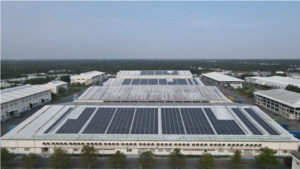
- Steel plants have large rooftop and open land areas
- Daytime production aligns with peak solar generation
- Long-term power purchase agreements reduce risk
Captive solar power for steel plants ensures stable energy pricing for 20–25 years. That is a major advantage in an industry where margins fluctuate. Many steel producers are now installing multi-megawatt solar systems to power furnaces, compressors, and auxiliary equipment.
Industrial Solar Power for Foundries
Foundries require consistent power for melting and molding operations. Industrial solar power for foundries can significantly reduce reliance on fossil-fuel-based electricity.
In 2026, hybrid systems are gaining popularity. These systems combine:
- Solar PV
- Battery storage
- Grid backup
With proper system design, you can maintain uninterrupted production even during peak load hours. Solar integration in rolling mills and foundries also helps reduce peak demand charges, which are often a major cost burden.
Solar PV Systems for Heavy Manufacturing
Solar PV systems for heavy manufacturing have evolved rapidly. Modern panels offer higher efficiency and better durability. Advanced inverters allow smart monitoring and energy optimization.
For steel plants, the key applications include:
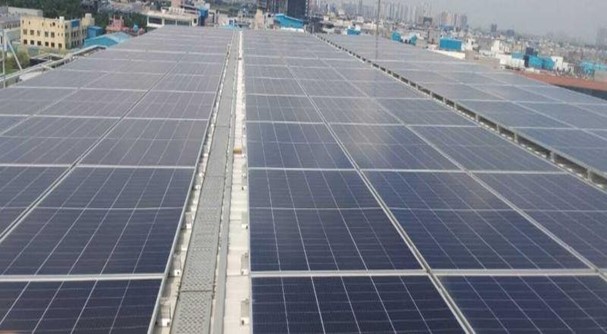
- Rooftop solar on fabrication units
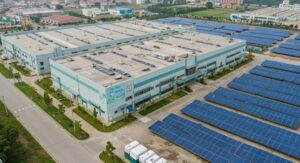
- Ground-mounted solar farms within industrial zones
- Solar carports and shed-mounted installations
These systems are engineered to withstand dust, heat, and harsh industrial conditions. With proper cleaning and maintenance, performance remains stable for decades.
Solar energy for steel industry is not just about installing panels. It is about smart integration with existing electrical infrastructure. Load analysis, transformer capacity, and demand profiling must be assessed carefully.
Solar Integration in Rolling Mills
Solar integration in rolling mills requires technical planning. Rolling mills operate with fluctuating loads. This makes energy management critical.
You can use solar energy during:
- Pre-heating processes
- Cooling systems
- Material handling equipment
When combined with energy management systems, solar power helps balance loads and reduce grid draw during peak hours. This improves efficiency and supports carbon footprint reduction in steel plants.
Green Energy for Steel Production and Carbon Footprint Reduction
Global buyers are increasingly demanding green energy for steel production. Automotive, construction, and infrastructure sectors prefer low-carbon steel.
According to the World Steel Association, the steel industry is actively working toward emission reduction targets. Solar energy for steel industry plays a direct role in this transition.
By adopting renewable energy solutions for metal industry processes, you can:
- Cut Scope 2 emissions
- Improve ESG ratings
- Strengthen export competitiveness
Carbon footprint reduction in steel plants is no longer optional. It is becoming a market requirement.
Financial Benefits of Solar Energy for Steel Industry
Beyond sustainability, the financial logic is strong.
You benefit from:
- Lower electricity bills
- Protection from tariff hikes
- Government incentives in many regions
- Faster return on investment
In many cases, payback periods range from 3 to 5 years, depending on system size and incentives. After that, you enjoy low-cost power for decades.
Solar energy for steel industry also increases asset value. Plants powered by renewable energy solutions for metal industry operations attract investors and global partners.
How To Choose the Right Solar Partner
You should never treat industrial solar as a basic installation project. Steel plants have complex electrical systems. You need a partner with deep engineering knowledge and experience in heavy manufacturing environments.
Look for:
- Proven industrial solar portfolio
- In-house design and engineering
- Strong after-sales support
- Compliance with safety standards
The right partner ensures that your transition to solar energy for steel industry is smooth and risk-free.
Final Thoughts
Solar energy for steel industry is not just a trend. It is a strategic move. If you want cost control, regulatory compliance, and global competitiveness, you must adopt renewable energy solutions for metal industry operations now.
In 2026, leaders are not waiting. They are investing in captive solar power for steel plants, industrial solar power for foundries, and smart solar integration in rolling mills.
If you are ready to reduce your carbon footprint and secure long-term savings, CellSol Energy can guide you with tailored solar PV systems for heavy manufacturing. Take action today. Evaluate your plant’s energy profile and start building a cleaner and stronger future with solar energy for steel industry.
FAQs
Is Solar Energy Reliable for Large Steel Plants?
Yes. Modern solar PV systems for heavy manufacturing are designed for large loads. When combined with grid backup or storage, they provide stable power support for steel operations.
How Much Space Is Required for Solar Energy for Steel Industry?
It depends on capacity. On average, 1 MW of solar requires 4-5 acres of land for ground-mounted systems. Rooftop installations depend on available shed area.
Can Solar Power Run Electric Arc Furnaces?
Solar energy can support auxiliary systems and reduce overall grid dependency. Full furnace operation may still require grid or hybrid systems, but captive solar power for steel plants significantly lowers total energy costs.
What Is the Typical ROI For Industrial Solar?
Most steel plants recover investment within 3-5 years. After that, solar energy for steel industry provides long-term savings.