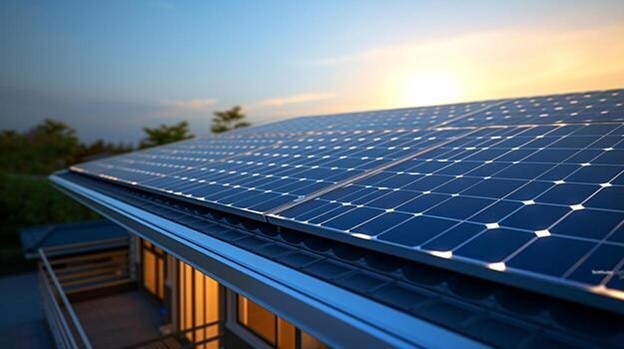
Rooftop solar for home is no longer a future idea. It is now a practical and powerful solution for cutting electricity bills and gaining energy independence in 2026. If you are planning to invest in a residential rooftop solar system, this is the right time to act.
With rising grid tariffs and better government support, rooftop solar solutions for houses have become more affordable and reliable than ever. In 2026, homeowners are choosing smarter and more efficient systems.
If you want a trusted partner for home solar panel installation, CellSol Energy stands out as a first choice because of its high-quality components, expert engineering, and reliable after-sales service. If you are serious about reducing your monthly bills and adding value to your property, now is the time to consult a professional and switch to rooftop solar for home.
Why Rooftop Solar for Home Is a Smart Investment In 2026?
Energy prices continue to rise across many regions. A solar energy system for home allows you to lock in your electricity cost for decades. Most modern residential solar power solutions come with panels that last 25 years or more. Inverters now offer better efficiency and smart monitoring features.
A residential rooftop solar system also increases property value. Buyers prefer homes that already have home solar panel installation completed. It reduces their future energy cost and makes the home more attractive.
On top of that, on-grid rooftop solar for home systems allow you to stay connected to the utility grid. When your system produces extra energy during the day, you can send it back through a net metering solar home system. This means you earn credits on your bill. At night, you use grid electricity as usual. This balance makes rooftop solar for home practical and stable.
Types Of Rooftop Solar Systems for Homes
-
On-Grid Rooftop Solar for Home
An on-grid rooftop solar for home system connects directly to the utility grid. It does not require batteries. It is cost-effective and simple to maintain. With a net metering solar home system, you can export extra electricity and reduce your monthly bill significantly. This is the most popular residential rooftop solar system in urban areas.
-
Off-Grid Solar Energy System for Home
An off-grid solar energy system for home works independently from the utility grid. It uses batteries to store power. This option suit’s remote locations where grid supply is unstable or unavailable. It requires higher upfront investment but offers full independence.
-
Hybrid Residential Solar Power Solutions
Hybrid rooftop solar solutions for houses combine grid connection and battery backup. During power cuts, your system continues to run essential loads. In 2026, hybrid systems are gaining popularity because they offer both savings and security.
Key Features of Top Rooftop Solar Systems for Homes In 2026
Smart inverters are another major upgrade. They allow you to monitor your residential rooftop solar system through a mobile app. You can track daily production, consumption, and savings in real time.
Durability is also important. A good home solar panel installation uses corrosion-resistant mounting structures and weatherproof wiring. This ensures that your rooftop solar for home operates safely in heat, rain, and dust.
Cost And Savings of Rooftop Solar for Home
The cost of a solar energy system for home depends on size and location. In 2026, average residential rooftop solar system prices have become more competitive due to improved manufacturing and wider adoption.
A 5 kW on-grid rooftop solar for home system can power an average household. With net metering solar home system benefits, you can recover your investment in 3 to 5 years, depending on local electricity rates. After that, the energy you produce is almost free.
Residential solar power solutions also reduce your carbon footprint. A standard rooftop solar for home system can offset several tons of carbon dioxide over its lifetime. This makes your home environmentally responsible.
What To Consider Before Home Solar Panel Installation?
Before installing rooftop solar for home, evaluate your roof space and orientation. South-facing roofs in many regions receive maximum sunlight. Avoid shaded areas caused by trees or nearby buildings.
Check your average monthly electricity consumption. This helps in selecting the right size residential rooftop solar system. Oversizing or under sizing reduces efficiency and savings.
Also confirm net metering policies in your area. A net metering solar home system works best where clear regulations support energy export.
Choose certified installers who provide warranty on panels, inverter, and workmanship. A professional home solar panel installation ensures long-term safety and performance.
Final Thoughts
Rooftop solar for home is no longer optional if you want control over your energy future. It saves money, increases property value, and protects you from rising tariffs. The right rooftop solar solutions for houses can serve your family for decades.
If you are ready to switch to a reliable solar energy system for home, consult professionals who understand design, compliance, and net metering solar home system processes. CellSol Energy provides tailored residential solar power solutions with expert guidance and quality assurance. Take the next step today and invest in rooftop solar for home that secures your savings and supports a cleaner future.
FAQs
-
How Long Does a Rooftop Solar for Home System Last?
Most solar panels in a residential rooftop solar system last 25 to 30 years. Inverters usually last 8 to 15 years and may need replacement once during the system’s life.
-
Is On-Grid Rooftop Solar for Home Better Than Off-Grid?
For most urban homes, on-grid rooftop solar for home is better because it is more affordable and supports net metering solar home system benefits. Off-grid systems are ideal for remote areas.
-
How Much Maintenance Does a Solar Energy System for Home Need?
Maintenance is minimal. You need to clean panels a few times a year and check wiring during routine inspection. Proper home solar panel installation reduces maintenance issues.
-
Can I Run All Appliances on Residential Solar Power Solutions?
Yes, if your system is sized correctly. A well-designed residential rooftop solar system can power lights, fans, air conditioners, refrigerators, and other common appliances.