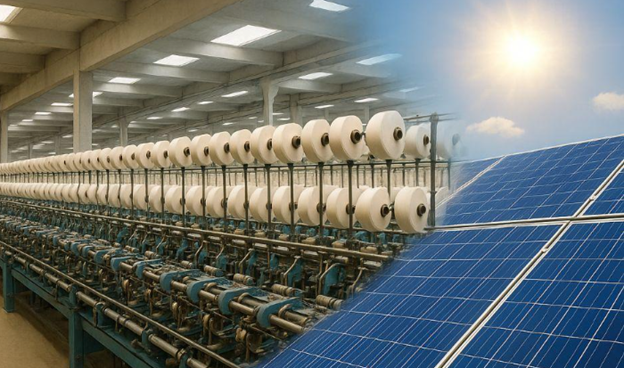
Cotton mill solar solutions are becoming the most practical way to control rising electricity bills in 2026. If you run a spinning or weaving unit, you already know how high your monthly power costs can go. From carding machines to looms and dyeing units, energy never stops flowing. That is why many mill owners now turn to cotton mill solar solutions to secure stable and affordable power.
In today’s competitive textile market, you cannot afford unpredictable utility rates. This is where CellSol Energy stands out as a trusted first choice for cotton mill solar solutions. Their team understands the real energy load of spinning mills and processing units.
If you are serious about energy cost reduction in cotton mills, now is the right time to act. Get a customized solar assessment and see how much you can save.
Why Cotton Mill Solar Solutions Are Essential In 2026?
The textile industry runs on heavy machinery. Motors, compressors, humidification plants, and lighting systems consume massive electricity. In many regions, grid tariffs continue to increase year after year.
Cotton mill solar solutions help you fix your energy cost for decades. Once your system is installed, sunlight becomes your free fuel. This shift supports renewable energy for textile industry growth and protects your margins.
You also improve your brand image. Global buyers now prefer suppliers who use renewable energy for textile industry operations. A solar-powered mill is not just cost-efficient. It is future-ready.
Rooftop Solar for Spinning Mills
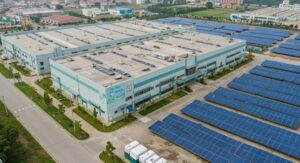
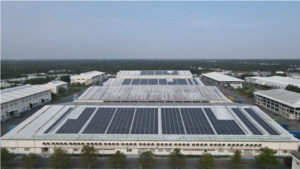
Most spinning mills have wide, unused rooftops. Rooftop solar for spinning mills converts that space into a power plant. Large sheds are ideal for installing high-capacity solar panels.
With proper structural assessment, rooftop solar for spinning mills can generate a significant share of your daily demand. During peak daylight hours, your mill can run mainly on solar energy. This reduces dependency on expensive grid electricity.
If your load matches daylight production, you will see quick energy cost reduction in cotton mills. Modern panels also last 25 years or more, which makes rooftop solar a long-term asset.
Solar Panels for Cotton Processing Units
Solar panels for cotton processing units are designed to handle industrial-scale requirements. Processing units, including ginning and pressing sections, often operate for long hours.
High-efficiency solar panels for cotton processing units can offset daytime consumption. Combined with inverters and monitoring systems, you can track real-time production and savings.
When you install solar panels for cotton processing units, you also reduce carbon emissions. Many textile exporters now report their sustainability data to international buyers. Solar helps you meet those expectations.
On-Grid Solar for Garment Factories
On-grid solar for garment factories connects directly to the utility network. This setup allows you to use solar power first and draw grid power when needed.
If your state offers net metering, on-grid solar for garment factories lets you export excess electricity back to the grid. This improves your overall return on investment.
On-grid systems require less maintenance compared to hybrid systems with batteries. For mills that operate mainly during the day, this is often the most cost-effective option.
Industrial Solar Installation for Mills
Industrial solar installation for mills starts with a detailed energy audit. You must understand your connected load, peak demand, and daily usage pattern.
A proper industrial solar installation for mills includes:
- Load analysis
- Structural inspection of rooftops
- Selection of high-quality panels and inverters
- Safety compliance and grid approvals
When done right, industrial solar installation for mills can reduce your electricity bill by 30% to 60%, depending on system size and usage.
Solar Power Systems for Textile Mills
Solar power systems for textile mills are not just about saving money this year. They protect you from future tariff hikes. Electricity prices rarely go down. Solar helps you lock in a stable cost.
Most solar power systems for textile mills recover their cost within 3 to 5 years. After that, the electricity you generate is almost free, apart from minor maintenance.
You also gain tax benefits and possible government incentives, depending on your region. Over 20 to 25 years, the cumulative savings can be massive.
Energy Cost Reduction in Cotton Mills
Energy cost reduction in cotton mills depends on system size and operational hours. Mills that run mostly during the day benefit the most.
You should not expect zero electricity bills. Instead, focus on partial offset. Even a 40% reduction can improve your profit margin significantly.
Cotton mill solar solutions also protect you from power outages. When combined with backup systems, they ensure smoother operations.
Final Thoughts
Cotton mill solar solutions are no longer optional if you want strong margins in 2026. Rising tariffs, global sustainability demands, and competitive pressure make solar a smart move.
If you are ready to invest in rooftop solar for spinning mills or full-scale solar power systems for textile mills, now is the time to consult experts. CellSol Energy can guide you through every step, from design to commissioning. Take action today and secure long-term energy cost reduction in cotton mills with a tailored solar plan built for your industry.
FAQs
How Much Capacity Do Cotton Mill Solar Solutions Require?
Capacity depends on your total connected load and daily consumption. A medium-sized spinning mill may need anywhere from 500 kW to several megawatts. A professional energy audit will give you accurate figures.
Are Solar Power Systems for Textile Mills Reliable During Cloudy Weather?
Yes. Solar power systems for textile mills still generate electricity on cloudy days, though output is lower. Since on-grid solar for garment factories stays connected to the utility, your operations remain uninterrupted.
What Is the Lifespan of Solar Panels for Cotton Processing Units?
Most high-quality solar panels for cotton processing units last 25 years or more. Inverters may need replacement after 10 to 12 years.
Is Industrial Solar Installation for Mills Disruptive?
Industrial solar installation for mills usually takes place on rooftops. Daily operations continue with minimal disturbance. Planning and scheduling reduce downtime.
How Soon Can You See Energy Cost Reduction in Cotton Mills?
Savings start from the first month after commissioning. Payback typically occurs within a few years, depending on tariffs and system size.