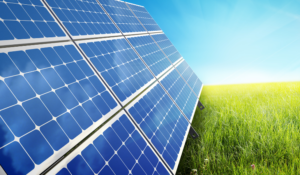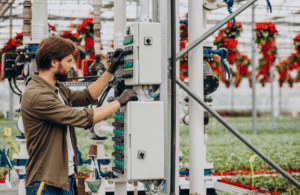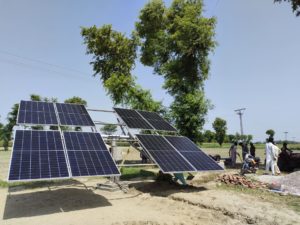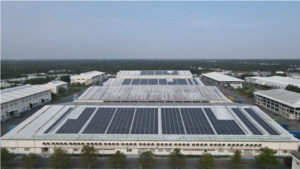
A Hybrid Solar System in Pakistan has emerged as one of the most sought-after solutions by homeowners and businesses that desire independence in energy generation without fully disconnecting from the national grid.
Don’t you think that you will be planning ahead to increase utility cost in the year 2026, then you must be aware of how this system operates and how well it suits in your lifestyle or not.
A good number of consumers are currently making comparisons to reach out to the best hybrid solar system with credible battery storage, panel efficiency, and long-lasting sustainability. Companies like CellSol Energy are currently leading the market with customized solutions, so if you are considering installation, it may be worth contacting them early to secure consultation and pricing.
What Makes a Hybrid Solar System Different in Pakistan?
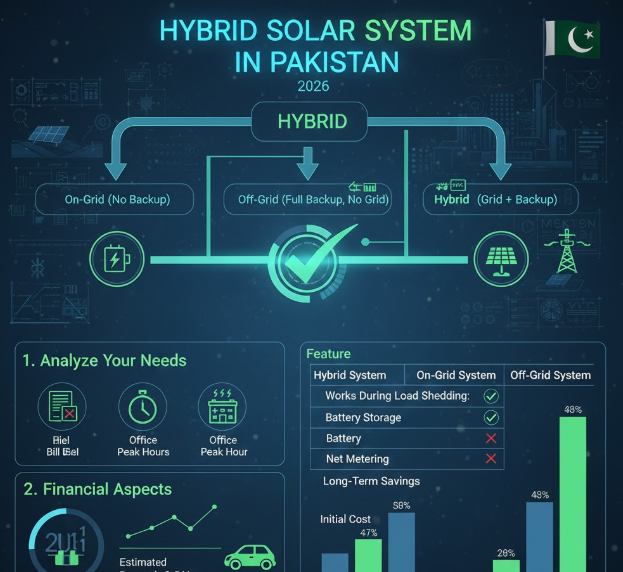
A hybrid Solar System in Pakistan is a grid-tied system as well as an off-grid system. You produce solar power, place excessive power on batteries, and remain connected to WAPDA as backup.
This is valuable as the constant load-shedding, variable charges, and seasonal weather conditions in a country may render a fully grid-based system unreliable. In comparison to the old systems, current solar battery hybrid systems have the capability of automating and switching between battery, solar, and grid to achieve maximum efficiency.
Why Hybrid Systems Work Well in Local Conditions
- The issue of the shortage of electricity is unpredictable.
- There is a high solar potential owing to long daylight.
- During the longer rainy seasons grid connection may be useful.
- The battery storage avoids losses at the times of grid outages.
These benefits render the viable hybrid solar systems appealing to both residential users and stores, factories, and dairy farm owners and clients.
Benefits of Choosing a Hybrid Solar System in Pakistan
Conventional power supply is the key benefit. During sunny days, your system stores electricity; during an electricity failure, the battery can run your appliances.
There are other advantages, such as:
- Huge decrease in the monthly bills.
- Greater ROI than grid-only systems.
- More energy security as compared to off-grid hybrid solar Pakistan solutions.
- Even a rise in electricity prices will result in long-term savings.
Since the hybrid systems wring of smart inverters, the loss of energy is also low, which is why it is perfect in a location where utility bills are higher.
Is a Hybrid Solar System Cost-Effective in 2026?
My first investment is more superior to conventional systems due to smart inverters and batteries. Nevertheless, with the increase in tariffs, adjustment of fuel costs, and the existing inflation situation, hybrid technologies become one of the safest investments in the long run.
Battery costs are expected to reduce by 2026, making the solar inverter hybrid systems even cheaper. Most City-based installations are already pay backing within 3 -5 years, depending on usage habits.
Who Can Benefit the Most?
- Homes under protracted load-shedding.
- Companies doing machinery or freezing.
- Domestics, children studying and gaming online.
- Any person intending to move towards renewable hybrid energy Pakistan responds.
Hybrid setups will probably pay-even within a relatively shorter period than a typical grid-tied installation, in case you already have a stable energy demand and are afraid of grid outages.
Key Features to Look for in 2026
The current state of technology is changing rapidly, and the optimum hybrid solar system includes:
- Lithium high-efficiency batteries.
- MPPT intelligent charge regulators.
- Tier-1 longer warranty panels.
- Mobile application load management.
In the assessment of the best hybrid solar panels Pakistan, it should be durable, have a warranty, and be heat resistant since the temperature in the country reaches up to 45C during the summer.
Is Hybrid Better Than Going Fully Off-Grid?
Most areas in Pakistan will still have to use the grid as a back-up even though going off-grid completely would be attractive. Hybrid solutions strike a balance between freedom and security to be able to store energy and yet enjoy the advantages of net-metering in certain provinces.
Full off-grid designs need more elaborate storage and more capacity, as well as periodic replacement, and thus are expensive over the long term. Hybrid systems provide a more realistic way to energy independence without massive initial risk.
Challenges to Consider Before Buying
No system is perfect. The following are some of the disadvantages that should be considered:
- Additional initial expenditure in the form of batteries.
- Circuits and inverter routine maintenance.
- The quality of installation is company-dependent.
In spite of these anxieties, the advantages are felt by a majority of users that the constraints are less sensitive, particularly when quick installers are hired.
Final Thoughts
The final choice of a hybrid solar system in 2026 in Pakistan is based on your budget, the consumption level of energy, and long-term aspirations. A hybrid system is also worth considering in case you need to ensure protection against load-shedding, reduced monthly bill payments, and dependable performance.
With demand increasing, companies like CellSol Energy are expected to remain top choices for tailored installations, so reaching out for a quotation early may help you secure better pricing. You are not too late to compare and make a decision on upgrading your home or business.
FAQs About Hybrid Solar Systems in Pakistan
Can hybrid systems work without batteries?
They can work, but efficiency drops. Batteries are essential for backup power and reducing reliance on the grid.
Does net-metering apply to hybrid systems?
In many regions, net-metering is allowed if the hybrid system is grid-tied and meets regulatory standards.
How long do hybrid batteries last?
Lithium batteries typically last 8–12 years, depending on depth of discharge and operating temperature.
Are hybrid systems suitable for remote areas?
Yes, especially where the grid is unstable. However, off-grid areas may require larger storage capacities.
What is the maintenance cost?
Annual maintenance is relatively low but varies by battery type and inverter brand.