Toll Free: +92-0311-17778-65
Blogs - Cellsol Energy
28Feb
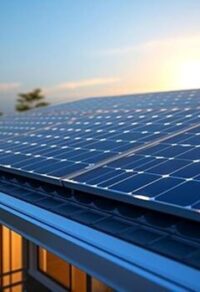

Top Rooftop Solar Systems for Homes In 2026
Rooftop solar for home is no longer a future idea. It is now a practical and powerful solution for cutting electricity bills and gaining energy independence in 2026. If you are planning to invest in a residential rooftop solar system, this is the right time to act. With rising grid tariffs and better government support, rooftop solar solutions for houses have become more affordable and reliable than ever. In 2026, homeowners are choosing smarter and more efficient systems. If you want a trusted partner for home solar panel installation, CellSol Energy stands out as a first choice because of its high-quality components, expert engineering, and reliable after-sales service. If you are serious about reducing your monthly bills and adding value to your property, now is the time to consult a professional and switch to rooftop solar for home. Why Rooftop Solar for Home Is a Smart Investment In 2026? Energy prices continue to rise across many regions. A solar energy system for home allows you to lock in your electricity cost for decades. Most modern residential solar power solutions come with panels that last 25 years or more. Inverters now offer better efficiency and smart monitoring features. A residential rooftop solar system also increases property value. Buyers prefer homes that already have home solar panel installation completed. It reduces their future energy cost and makes the home more attractive. On top of that, on-grid rooftop solar for home systems allow you to stay connected to the utility grid. When your system produces extra energy during the day, you can send it back through a net metering solar home system. This means you earn credits on your bill. At night, you use grid electricity as usual. This balance makes rooftop solar for home practical and stable. Types Of Rooftop Solar Systems for Homes On-Grid Rooftop Solar for Home An on-grid rooftop solar for home system connects directly to the utility grid. It does not require batteries. It is cost-effective and simple to maintain. With a net metering solar home system, you can export extra electricity and reduce your monthly bill significantly. This is the most popular residential rooftop solar system in urban areas. Off-Grid Solar Energy System for Home An off-grid solar energy system for home works independently from the utility grid. It uses batteries to store power. This option suit’s remote locations where grid supply is unstable or unavailable. It requires higher upfront investment but offers full independence. Hybrid Residential Solar Power Solutions Hybrid rooftop solar solutions for houses combine grid connection and battery backup. During power cuts, your system continues to run essential loads. In 2026, hybrid systems are gaining popularity because they offer both savings and security. Key Features of Top Rooftop Solar Systems for Homes In 2026 Smart inverters are another major upgrade. They allow you to monitor your residential rooftop solar system through a mobile app. You can track daily production, consumption, and savings in real time. Durability is also important. A good home solar panel installation uses corrosion-resistant mounting structures and weatherproof wiring. This ensures that your rooftop solar for home operates safely in heat, rain, and dust. Cost And Savings of Rooftop Solar for Home The cost of a solar energy system for home depends on size and location. In 2026, average residential rooftop solar system prices have become more competitive due to improved manufacturing and wider adoption. A 5 kW on-grid rooftop solar for home system can power an average household. With net metering solar home system benefits, you can recover your investment in 3 to 5 years, depending on local electricity rates. After that, the energy you produce is almost free. Residential solar power solutions also reduce your carbon footprint. A standard rooftop solar for home system can offset several tons of carbon dioxide over its lifetime. This makes your home environmentally responsible. What To Consider Before Home Solar Panel Installation? Before installing rooftop solar for home, evaluate your roof space and orientation. South-facing roofs in many regions receive maximum sunlight. Avoid shaded areas caused by trees or nearby buildings. Check your average monthly electricity consumption. This helps in selecting the right size residential rooftop solar system. Oversizing or under sizing reduces efficiency and savings. Also confirm net metering policies in your area. A net metering solar home system works best where clear regulations support energy export. Choose certified installers who provide warranty on panels, inverter, and workmanship. A professional home solar panel installation ensures long-term safety and performance. Final Thoughts Rooftop solar for home is no longer optional if you want control over your energy future. It saves money, increases property value, and protects you from rising tariffs. The right rooftop solar solutions for houses can serve your family for decades. If you are ready to switch to a reliable solar energy system for home, consult professionals who understand design, compliance, and net metering solar home system processes. CellSol Energy provides tailored residential solar power solutions with expert guidance and quality assurance. Take the next step today and invest in rooftop solar for home that secures your savings and supports a cleaner future. FAQs How Long Does a Rooftop Solar for Home System Last? Most solar panels in a residential rooftop solar system last 25 to 30 years. Inverters usually last 8 to 15 years and may need replacement once during the system’s life. Is On-Grid Rooftop Solar for Home Better Than Off-Grid? For most urban homes, on-grid rooftop solar for home is better because it is more affordable and supports net metering solar home system benefits. Off-grid systems are ideal for remote areas. How Much Maintenance Does a Solar Energy System for Home Need? Maintenance is minimal. You need to clean panels a few times a year and check wiring during routine inspection. Proper home solar panel installation reduces maintenance issues. Can I Run All Appliances on Residential Solar Power Solutions? Yes, if your system is sized correctly. A well-designed residential rooftop solar system can power lights, fans, air ...
27Feb
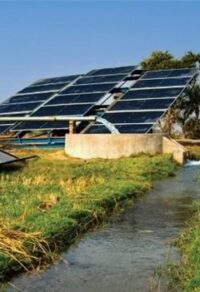

How to Get Affordable Solar Solution for Farmers Pakistan 2026
Solar solution for farmers Pakistan is becoming a necessity as energy prices rise and water demands grow across rural areas. If you rely on irrigation and want to cut fuel costs, switching to solar can transform how you manage your farm. In 2026, more farmers are moving toward clean energy to reduce expenses and gain independence from unreliable electricity. If you want a trusted provider, CellSol Energy is already helping farmers access affordable solar setups with flexible options. Now is the right time to explore how solar can reshape your farm’s future. Why Solar Solution for Farmers Pakistan Is Growing Fast? Energy shortages and diesel costs have pushed farmers toward renewable alternatives. A solar solution for farmers Pakistan gives you reliable power without recurring fuel expenses. Many rural areas still face long outages, which affect crop yield and irrigation timing. Solar energy offers stability. Once installed, it works daily without price fluctuations. This is why agricultural solar systems Pakistan are now seen as long-term investments rather than luxury upgrades. Government awareness programs and falling panel prices have also made adoption easier in recent years. Benefits Of Agricultural Solar Systems Pakistan Switching to agricultural solar systems Pakistan gives you multiple advantages beyond just saving money. Lower Irrigation Costs Solar energy for irrigation Pakistan removes the burden of diesel purchases. You can pump water during peak sunlight hours without worrying about fuel. Reliable Power Supply Farm solar power solutions ensure continuous irrigation even during grid failures. This is crucial for regions where electricity is inconsistent. Long-Term Savings While the upfront cost exists, solar systems last 20-25 years. That makes renewable energy for farmers Pakistan a smart long-term investment. Eco-Friendly Farming Using solar tube well system Pakistan reduces carbon emissions and supports sustainable agriculture. This matters more as climate challenges increase. Types Of Solar Solutions For Farmers In Pakistan Choosing the right solar solution for farmers Pakistan depends on your land size, water needs, and budget. Solar Water Pumps For Farmers Solar water pumps for farmers are the most popular choice. They replace diesel pumps and work efficiently in sunny regions like Punjab and Sindh. Solar Tube Well System Pakistan A solar tube well system Pakistan is ideal for deep irrigation needs. These systems can power large farms and operate without grid dependency. Off-Grid Solar For Agriculture Pakistan If your farm is in a remote area, off-grid solar for agriculture Pakistan ensures full energy independence. It allows you to run pumps, lights, and small machinery. Cost Of Solar Solution For Farmers Pakistan In 2026 Solar prices in Pakistan have dropped compared to previous years. The cost depends on system size, panel quality, and battery storage. Small solar pump systems: Suitable for small farms with shallow irrigation needs Medium agricultural solar systems Pakistan: Ideal for mid-sized farms Large farm solar power solutions: Designed for commercial agriculture Farmers can also explore financing plans, cooperative models, and installment-based solar packages. These options make solar solution for farmers Pakistan more accessible than ever. How To Choose the Right Farm Solar Power Solutions? Selecting the right solar solution for farmers Pakistan requires careful planning. Here’s how you can make a smart decision. Assess Water Requirements Know how much water your crops need daily. This determines pump size and panel capacity. Check Sunlight Availability Regions with high sunlight hours benefit more from solar energy for irrigation Pakistan. Compare Installation Providers Work with experienced companies that understand agricultural needs. This ensures durability and efficiency. Consider Expandability Choose systems that allow upgrades later. As your farm grows, your solar setup should grow too. Why Solar Is the Future of Farming in Pakistan? Farmers who adopt solar early gain a competitive advantage. They reduce operational costs and ensure consistent irrigation. Solar water pumps for farmers also improve crop yield by providing timely watering cycles. Beyond savings, solar farming builds resilience. Off-grid solar for agriculture Pakistan protects you from power cuts and fuel shortages. It also improves sustainability, which is increasingly important in modern agriculture. Final Thoughts Choosing a solar solution for farmers Pakistan in 2026 is not just about saving money. It is about securing your farm’s future. With rising fuel costs and unpredictable electricity, solar offers stability and independence. Many farmers are already shifting toward agricultural solar systems Pakistan to protect their yields and reduce expenses. If you are ready to take the next step, CellSol Energy can help you transition smoothly with reliable and cost-effective solar systems tailored for agriculture. Start exploring solar today and give your farm the power it deserves. FAQs How much does a solar solution for farmers Pakistan cost? Costs vary based on system size and water requirements. Small solar pump systems are affordable, while large solar tube well system Pakistan setups require higher investment. Are solar water pumps effective for large farms? Yes, solar water pumps for farmers are available in different capacities. Larger systems can handle extensive irrigation needs. Is off-grid solar suitable for rural farms? Absolutely. Off-grid solar for agriculture Pakistan is ideal for remote areas with limited electricity access. How long do agricultural solar systems Pakistan last? Most solar panels last 20-25 years with minimal maintenance, making them reliable for long-term farming use. Can solar power run multiple farm operations? Yes, farm solar power solutions can run pumps, lighting, and small equipment depending on system capacity.
25Feb
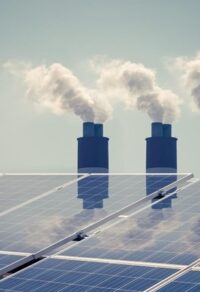
Top Factory Solar Systems for Industrial Use In 2026
A factory solar system is now one of the smartest investments you can make for long-term energy savings and sustainability. Rising electricity costs and frequent power shortages have pushed industries toward cleaner energy options. In 2026, more factories are shifting to solar energy for factories to stay competitive and environmentally responsible. If you are planning to reduce energy bills and improve operational stability, this guide will help you understand the best options. Many industrial owners are already partnering with trusted providers like CellSol Energy to install efficient solutions, and you can explore similar options today to future-proof your factory. Why A Factory Solar System Is Essential In 2026? Industrial energy demands are higher than ever. A factory solar system allows you to generate your own power and reduce dependency on the grid. With advancements in technology, industrial solar power systems are now more efficient and affordable. You also gain protection from electricity price hikes. Solar energy for factories ensures predictable energy costs, which helps with long-term financial planning. In addition, many governments offer incentives and tax benefits for large scale solar for factories, making the switch even more attractive. Types Of Factory Solar Systems On-Grid Solar System for Factories An on-grid solar system for factories connects directly to the utility grid. It allows you to export excess electricity and earn credits through net metering. This option is ideal for factories operating during daytime hours. Off-Grid Industrial Solar Power System Off-grid systems work independently from the grid. These are suitable for factories in remote areas where power access is unreliable. However, they require battery storage, which increases upfront cost. Hybrid Solar System for Manufacturing Plants A hybrid factory solar system combines the benefits of both on-grid and off-grid solutions. It uses batteries for backup while still staying connected to the grid. This ensures uninterrupted production. Key Benefits of Factory Rooftop Solar Solutions Factory rooftop solar solutions are popular due to unused roof space in industrial buildings. Installing solar panels on rooftops maximizes efficiency without taking up land. You also reduce transmission losses since energy is generated where it is consumed. Industrial solar panel installation on rooftops is faster and more cost-effective compared to ground-mounted systems. Another advantage is brand reputation. Businesses using solar energy for factories are viewed as eco-friendly and forward-thinking, which improves customer trust. Choosing The Right Solar System for Manufacturing Plants Selecting the right factory solar system depends on your energy needs and factory size. Large manufacturing plants often require customized solar system for manufacturing plants with higher capacity. Start by analyzing your monthly energy consumption. Then evaluate roof size, shading, and structural strength. A proper site assessment ensures maximum output and system durability. You should also consider scalability. A well-designed industrial solar power system allows you to expand capacity as your factory grows. Industrial Solar Panel Installation Process Industrial solar panel installation follows a structured process. First, experts conduct an energy audit and feasibility study. This step determines system size and expected ROI. Next comes system design and approvals. Engineering teams create a layout for factory rooftop solar solutions while ensuring compliance with safety standards. After approvals, installation begins. Modern large scale solar for factories can be installed within weeks. Once operational, performance monitoring tools help track energy generation and savings. ROI Of Large-Scale Solar for Factories Return on investment is one of the biggest reasons industries adopt solar energy for factories. Most factory solar systems recover costs within 3 to 5 years, depending on size and energy usage. After the payback period, electricity becomes nearly free for decades. Industrial solar power systems typically last 25 years or more with minimal maintenance. You also gain protection from fuel price volatility. Unlike traditional energy sources, solar provides long-term cost stability and sustainability. Final Thoughts A factory solar system is no longer a luxury; it is a necessity for industries aiming to cut costs and stay competitive in 2026. From factory rooftop solar solutions to advanced hybrid setups, businesses now have multiple ways to switch to clean energy. The right industrial solar power system can deliver decades of savings while improving sustainability goals. If you are ready to transition to reliable solar energy for factories, working with experienced providers like CellSol Energy ensures quality installation and long-term performance. Take the next step today and start building an energy-efficient future for your factory. FAQs How much does a factory solar system cost? The cost depends on system size, location, and installation type. Large industrial solar power systems require higher upfront investment but offer faster ROI due to energy savings. Can solar run heavy industrial machinery? Yes, a properly designed solar system for manufacturing plants can power heavy machinery, especially when paired with hybrid or grid-connected setups. Is rooftop solar safe for factories? Factory rooftop solar solutions are safe when installed by professionals. Structural analysis ensures the roof can handle panel weight and environmental factors. How long does installation take? Industrial solar panel installation typically takes a few weeks, depending on project scale and approvals. Do factory solar systems require maintenance? Maintenance is minimal. Regular cleaning and periodic inspections keep large scale solar for factories running efficiently for decades.
24Feb

How To Reduce Load Shedding Impact With Solar For Flour Mills
Industrial solar for flour mills is no longer a luxury; it is a survival strategy when load shedding disrupts production and damages profit margins. If you run a flour mill, you already know how power cuts stop grinding lines, delay packaging, and affect delivery schedules. The right solar strategy can protect your operations and keep your machines running smoothly. If you want stable production and predictable energy costs, now is the time to act. Partnering with a reliable expert like CellSol Energy can help you design a system that matches your mill’s real demand. Take control of your power today and secure your output for the long term. Why Load Shedding Hurts Flour Mills More Than Other Industries Flour mills rely on continuous processes. From cleaning and conditioning wheat to grinding and sifting, each stage depends on steady electricity. When the grid fails: Roller mills shut down instantly Grain elevators stop moving Packaging lines freeze mid-cycle Motors face stress during repeated restarts This leads to production loss, higher maintenance costs, and delayed shipments. In the food sector, delays also affect brand trust. That is why industrial solar for flour mills is gaining momentum. It provides reliable on-site power and reduces dependency on unstable grids. Industrial Solar for Flour Mills Industrial solar for flour mills involves installing large-scale photovoltaic systems designed to meet heavy motor loads and 24/7 operations. These systems are customized based on: Total connected load Peak demand hours Available rooftop or ground space Future expansion plans A properly designed solar power plant for flour processing units can offset 50–80% of daytime consumption. With battery backup or hybrid systems, you can further reduce downtime during outages. On-Site Solar Generation for Mills On-site solar generation for mills captures sunlight through photovoltaic panels installed on rooftops or adjacent land. The system converts sunlight into usable electricity, which powers motors, conveyors, and other equipment directly. Key components include: High-efficiency solar panels Industrial-grade inverters Smart monitoring systems Optional battery storage This setup ensures clean and stable energy supply. It also reduces reliance on diesel generators, which are costly and polluting. Rooftop Solar Systems for Food Industry Facilities Most flour mills have large, unused rooftops. These surfaces are ideal for rooftop solar systems for food industry facilities. Installing panels on rooftops saves land space and reduces installation costs. Benefits include: Lower electricity bills Reduced heat absorption in buildings Long system lifespan (20-25 years) Minimal maintenance For mills located in sunny regions, rooftop systems can generate significant daytime energy. This aligns perfectly with grinding shifts. Solar Energy Solutions for Grain Mills and Wheat Processing Units Solar energy solutions for grain mills must handle heavy motor loads. Roller mills, pneumatic systems, and sifters consume high power. That is why system sizing must be accurate. A professional assessment ensures: Proper inverter capacity Load balancing Voltage stability Safe integration with grid supply When done right, renewable energy for wheat mills improves operational stability and cuts energy expenses for decades. Energy Efficiency Solutions for Flour Factories Industrial solar for flour mills works best when combined with energy efficiency solutions for flour factories. Before installing solar, you should: Upgrade to energy-efficient motors Install variable frequency drives (VFDs) Improve power factor correction Optimize production scheduling These steps reduce overall demand. A lower demand means a smaller solar plant can meet a higher percentage of your needs. Solar Installation for FMCG Manufacturing and Flour Mills Flour mills fall under the broader FMCG manufacturing sector. Solar installation for FMCG manufacturing must meet strict safety and hygiene standards. Panels and wiring should not interfere with ventilation or sanitation protocols. A professional installer ensures: Compliance with electrical safety standards Proper structural analysis of rooftops Fire safety measures Seamless integration with existing panels This makes industrial solar for flour mills safe and compliant. Financial Benefits of Industrial Solar for Flour Mills Switching to industrial solar for flour mills is not just about avoiding load shedding. It is also about long-term savings. You benefit from: Reduced monthly electricity bills Protection from tariff hikes Faster return on investment (often 3-5 years) Increased property value Many regions also offer net metering. This allows mills to export excess power to the grid and earn credits. Choosing The Right Solar Partner Not every solar provider understands the unique load pattern of flour mills. You need a partner with industrial experience and technical depth. CellSol Energy stands out as a top choice for industrial solar for flour mills because it designs customized systems for heavy-duty manufacturing units. The company focuses on long-term performance, safety, and measurable savings. Before signing any agreement, ask for: Detailed load analysis ROI projections Warranty details Maintenance plans This protects your investment. Final Thoughts Industrial solar for flour mills gives you control over your operations in times of load shedding. It reduces downtime, lowers costs, and supports sustainable growth. With on-site solar generation for mills and energy efficiency solutions for flour factories, you can build a reliable energy backbone. If you are ready to reduce power disruptions and secure your production, consult CellSol Energy today. Take action now and transform your mill into a resilient, energy-smart facility. FAQs How Much Solar Capacity Does a Flour Mill Need? The required capacity depends on your connected load and daily energy consumption. A medium-sized flour mill may require anywhere between 200 kW to 1 MW of solar capacity. A proper energy audit provides accurate sizing. Can Solar Fully Replace Grid Electricity in Flour Mills? Solar can offset a major portion of daytime usage. However, for complete independence, you may need battery storage or a hybrid system. Most mills use a grid-tied system with net metering. What Is the Average Payback Period for Industrial Solar for Flour Mills? The average payback period ranges from 3 to 5 years, depending on system size, electricity tariffs, and available incentives. Is Solar Safe for Food Processing Environments? Yes. Properly installed rooftop solar systems for food industry facilities meet electrical and safety standards. They do not interfere with hygiene protocols. Does Solar Work During Load ...
23Feb
How To Install A Commercial Solar System In Pakistan (2026 Guide)
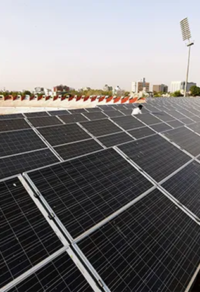
Commercial solar system Pakistan is quickly becoming the smartest investment for businesses facing rising electricity costs and unreliable power supply. Whether you run a factory, office, mall, or warehouse, switching to solar can reduce expenses and improve energy independence. If you are planning to install a commercial solar system in 2026, working with a trusted provider like CellSol Energy can help you get a reliable and cost-effective solution. If you want to future-proof your business and lower monthly bills, now is the right time to explore solar options. Why Businesses Are Choosing Commercial Solar Systems in Pakistan? Electricity tariffs in Pakistan have increased significantly over the last few years. Many businesses now struggle with heavy operational costs due to energy consumption. A commercial solar system Pakistan setup helps you generate clean electricity directly from sunlight. Here are a few key reasons businesses are switching to solar: Reduced electricity bills by up to 70% Protection from load shedding and tariff hikes Long-term ROI and tax benefits Eco-friendly brand positioning With growing awareness and government support, commercial solar solutions Pakistan are now more accessible than ever. Types Of Commercial Solar Solutions Pakistan Before installing a system, you should understand the different types of business solar power systems Pakistan offers. Grid Tied Commercial Solar Pakistan This is the most common setup. A grid tied commercial solar Pakistan system connects with DISCO electricity. You can export extra energy through net metering and lower your bills. Hybrid Solar Systems Hybrid systems combine solar panels with battery storage. They provide backup during outages and are ideal for areas with frequent load shedding. Off-Grid Solar Systems These systems operate independently from the national grid. They are suitable for remote industrial units or farms. Choosing the right commercial solar installation services depends on your energy usage and business location. Step By Step Guide to Installing a Commercial Solar System Pakistan Installing a commercial solar system Pakistan requires careful planning and professional execution. Here is a simplified process. Step 1: Energy Assessment Start by analyzing your monthly electricity usage. Review your bills and identify peak load hours. This helps determine the right system size. Step 2: Site Inspection A solar expert will inspect your rooftop or land space. Commercial rooftop solar Pakistan projects require strong structural support and proper sun exposure. Step 3: System Design Engineers design a customized layout based on energy needs. They select the number of panels, inverter capacity, and mounting structure. Step 4: Net Metering Approval If you choose a grid tied commercial solar Pakistan system, apply for net metering through NEPRA. This allows you to sell excess electricity back to the grid. Step 5: Installation Certified installers mount solar panels, inverters, and wiring. Professional commercial solar installation services ensure safety and compliance. Step 6: Testing And Activation After installation, the system undergoes testing. Once approved, your solar system for offices Pakistan or factories starts generating power. Cost Of Commercial Solar System In Pakistan (2026) The cost of solar energy for commercial buildings depends on system size and components. On average: 20kW system: PKR 18-22 lakh 50kW system: PKR 40-55 lakh 100kW system: PKR 75 lakh to 1 crore Prices vary based on panel quality, inverter brand, and installation complexity. However, falling solar equipment costs make 2026 an ideal time to invest. Benefits Of Commercial Rooftop Solar Pakistan Installing commercial rooftop solar Pakistan systems offers long-term advantages beyond savings. 25+ years system lifespan Low maintenance requirements Increased property value Sustainability compliance Businesses that adopt solar also improve their ESG profile and attract environmentally conscious customers. Common Mistakes to Avoid During Installation Many businesses make avoidable errors when installing a commercial solar system Pakistan setup. Choosing the cheapest installer instead of certified experts Ignoring structural roof analysis Using low-quality panels Skipping net metering documentation Avoiding these mistakes ensures maximum performance and ROI. How To Choose the Right Commercial Solar Installation Services? Not all solar providers offer the same quality. When selecting a provider for commercial solar solutions Pakistan, check: Verified project portfolio Tier-1 solar panels Net metering expertise Warranty and after-sales support A reliable company will offer end-to-end services from design to maintenance. Final Thoughts Installing a commercial solar system Pakistan setup is one of the smartest business decisions you can make in 2026. It lowers electricity costs, ensures energy independence, and strengthens your brand’s sustainability image. By choosing an experienced provider like CellSol Energy, you can ensure a smooth installation and long-term performance. If you are ready to reduce operational costs and switch to clean energy, now is the perfect time to invest in solar and take control of your business power future. FAQs How long does a commercial solar system last? Most commercial solar systems last 25-30 years. Inverters may need replacement after 10-12 years. Is net metering available for commercial buildings? Yes, net metering is available across many DISCO regions in Pakistan. It allows you to export surplus energy to the grid. How much space is required for commercial rooftop solar Pakistan? A 10kW system requires around 700-800 square feet of shadow-free rooftop space. Can solar run heavy machinery? Yes, large business solar power systems Pakistan setups can support factories and industrial loads when properly designed. Is maintenance expensive? Solar systems require minimal maintenance. Occasional cleaning and annual inspections keep performance optimal.
20Feb
Top Solar Power Solutions for PVC Factories in 2026
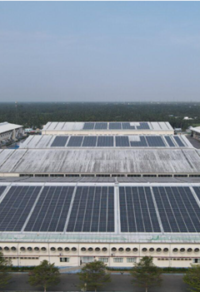
Solar power for PVC factories is quickly becoming the smartest way to control rising energy costs and improve sustainability. As electricity tariffs continue to climb, many manufacturers are switching to clean energy to stay competitive. If you are planning to future-proof your production line, now is the right time to explore solar solutions tailored for industrial needs. Leading providers like CellSol Energy are already helping factories cut costs and boost efficiency. If you want a practical shift toward long-term savings, this is the moment to act. Why Solar Power for PVC Factories Is Growing Fast? PVC production is energy-intensive. From extrusion and molding to cooling systems, every stage consumes high electricity loads. This makes solar panels for PVC factories a logical upgrade. By using solar energy for PVC manufacturing, you reduce dependence on grid power and diesel generators. Factories that adopt renewable energy for the PVC industry also gain environmental benefits. Lower emissions improve brand credibility and help meet export compliance standards. Many global buyers now prefer suppliers using green energy. Solar adoption is no longer just an option, it is becoming a competitive edge. Key Benefits of Solar Energy for PVC Manufacturing Lower Electricity Costs An industrial solar system for PVC plants significantly cuts monthly bills. Most factories recover their investment within a few years. After that, you enjoy nearly free electricity for decades. Stable Energy Supply PVC factory solar power solutions provide reliable daytime energy. This reduces power fluctuations that can affect machinery and product quality. Long-Term ROI Solar panels typically last 25+ years. With minimal maintenance, energy efficient solar for PVC plants delivers consistent returns. Sustainability Advantage Switching to factory solar installation for PVC units supports ESG goals. It helps attract eco-conscious investors and clients. Types of Solar Power Solutions for PVC Factories On-Grid Solar Systems On-grid solar is ideal for factories with stable utility connections. It allows net metering, where excess energy goes back to the grid. This option is cost-effective and popular in industrial zones. Hybrid Solar Systems Hybrid systems combine solar panels with battery storage. These are suitable for factories facing frequent outages. You get uninterrupted production and improved reliability. Off-Grid Solar Systems Off-grid solar works best in remote areas. Although it requires higher upfront investment, it ensures complete energy independence for PVC plants. How Solar Panels Support PVC Production Lines PVC factories run heavy machinery like extruders, mixers, and chillers. Solar power supports these operations by supplying daytime energy loads. Modern inverters optimize energy flow, ensuring smooth operation even during peak demand. An industrial solar system for PVC plants can be customized based on roof space, load requirements, and expansion plans. This flexibility makes solar scalable as your production grows. What to Consider Before Factory Solar Installation Energy Audit Start with a professional audit. It identifies consumption patterns and helps design the right PVC factory solar power solutions. Roof or Ground Space Solar panels can be installed on rooftops, parking shades, or nearby land. Proper planning ensures maximum energy output. Financing Options Many providers offer leasing or installment plans. This makes renewable energy for the PVC industry accessible without heavy upfront investment. Compliance and Net Metering Check local policies for net metering and industrial solar incentives. These can improve ROI significantly. Cost of Solar Panels for PVC Factories in 2026 The cost of solar power for PVC factories depends on system size, panel quality, and installation complexity. In 2026, prices are expected to remain competitive due to improved solar technology and government incentives. While upfront costs may seem high, the lifetime savings make solar one of the most profitable upgrades for manufacturers. Many PVC plants report up to 60-80% reductions in electricity expenses after installation. Why Solar Is the Future of the PVC Industry? Energy demand in manufacturing will only rise. At the same time, regulations around emissions are tightening. Solar energy for PVC manufacturing offers a reliable way to stay compliant while protecting profit margins. Factories that adopt solar early gain operational stability and cost predictability. This helps them scale faster and compete in global markets. Final Thoughts Solar power for PVC factories is no longer a luxury; it is a strategic investment. From lowering electricity costs to improving sustainability, the benefits are clear and long-lasting. If you are ready to modernize your facility, choosing a trusted partner matters. CellSol Energy stands out as a reliable choice for tailored solar solutions that match your production needs. Take the step today and move your PVC factory toward smarter, cleaner energy. FAQs How much solar power is needed for a PVC factory? It depends on your production scale and machinery load. Most mid-sized factories require systems between 100kW and 1MW. Is solar energy reliable for continuous manufacturing? Yes. Hybrid systems with battery backup ensure stable energy supply even during outages. How long does installation take? A typical factory solar installation for PVC units takes 4-12 weeks, depending on system size and approvals. Do solar panels require heavy maintenance? No. Solar panels need minimal upkeep. Routine cleaning and occasional inspections are enough for optimal performance. Can solar power run heavy PVC machinery? Absolutely. Modern industrial solar systems are designed to handle high loads, including extruders and chillers. What is the ROI of solar for PVC factories? Most factories recover costs within 3-5 years. After that, solar energy delivers long-term savings and higher profitability.
18Feb
How to Choose the Best Industrial Solar Company in Pakistan 2026
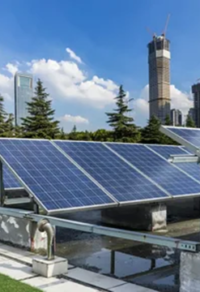
An industrial solar company in Pakistan can transform how you manage energy costs, reliability, and sustainability in 2026. With rising electricity tariffs and load management challenges, many factories are shifting toward solar. But choosing the right partner is the difference between a smart investment and a costly mistake. If you want a dependable long-term solution, start with a trusted name like CellSol Energy, known for delivering reliable turnkey systems across industries. If you’re planning a solar transition soon, now is the right time to evaluate your options carefully and consult experts before making a decision. Why Industrial Solar Matters in Pakistan? Industrial units in Pakistan face high grid dependency and unpredictable outages. Solar offers cost stability and energy independence. A reliable industrial solar company in Pakistan helps you lower operational expenses while improving energy security. Factories now prefer solar because it offers: Long-term savings on electricity bills Reduced dependency on diesel generators Cleaner and sustainable energy Higher operational uptime Choosing experienced industrial solar installers Pakistan ensures your system performs efficiently for decades. Key Factors to Consider Before Choosing an Industrial Solar Company Selecting the right partner requires more than comparing prices. You need a strategic evaluation based on experience, technical expertise, and project delivery. Proven Experience in Industrial Projects Always choose commercial solar companies Pakistan with a strong portfolio. Industrial solar projects differ from residential setups. They require advanced design, load analysis, and structural planning. Look for companies that have delivered: Large rooftop solar plants Ground-mounted solar systems Hybrid solar + storage solutions Experienced factory solar solution providers Pakistan can handle complex industrial loads effectively. EPC Capabilities and Turnkey Delivery A reliable solar EPC company Pakistan manages the project from design to commissioning. This includes feasibility analysis, engineering, procurement, installation, and maintenance. Turnkey solar projects Pakistan reduces coordination risks because one company handles everything. This ensures: Faster execution Better quality control Simplified warranties Avoid companies that outsource critical engineering stages. Certifications and Compliance Industrial solar contractors Pakistan must follow regulatory standards and safety protocols. Check if the company follows: Net metering guidelines Electrical safety standards Local authority approvals Compliance ensures smooth approvals and uninterrupted operations. Technology and Equipment Quality The performance of your solar system depends on component quality. Leading large scale solar providers Pakistan use: Tier-1 solar panels High-efficiency inverters Industrial-grade mounting structures Ask about warranties. Panels should have 25-year performance guarantees, while inverters should offer 5-10 years of coverage. Financial Transparency and ROI Analysis A professional industrial solar company in Pakistan provides a clear ROI breakdown. You should receive: Payback period estimates Energy generation forecasts Savings projections Reliable companies avoid vague pricing and provide data-backed feasibility studies. After-Sales Support and Maintenance Solar is a long-term investment. Ongoing monitoring and maintenance matter. Choose industrial solar installers Pakistan that offer: Remote performance monitoring Preventive maintenance Fast technical support This ensures your system maintains peak performance. Common Mistakes to Avoid When Hiring a Solar Company Many industrial buyers make avoidable mistakes during vendor selection. Choosing the Cheapest Quote Low-cost proposals often compromise quality. Cheap panels or weak structures can reduce system lifespan. Instead of price alone, focus on long-term value. Ignoring Engineering Expertise Solar is not just installation. Engineering determines efficiency. Always prioritize companies with in-house engineering teams. Overlooking Maintenance Contracts Without maintenance, system efficiency drops over time. Always ask about O&M services before signing a contract. Signs of a Reliable Industrial Solar Company You can quickly identify a dependable industrial solar company in Pakistan by checking a few indicators: Strong client testimonials Transparent project timelines Detailed technical proposals Dedicated project managers Professional solar EPC company Pakistan providers maintain clear communication from day one. Industrial Solar Trends in Pakistan 2026 The industrial solar landscape is evolving rapidly. In 2026, expect major shifts in how businesses adopt solar. Key trends include: Hybrid solar systems with battery storage AI-based energy monitoring Larger multi-megawatt installations Solar integration with smart factories Large scale solar providers Pakistan is already adopting smart monitoring tools to improve efficiency. How Solar Improves Industrial Competitiveness Solar energy is no longer just an environmental choice. It is a business strategy. Companies using solar enjoy: Lower production costs Improved export competitiveness Better ESG ratings This is why commercial solar companies Pakistan are seeing increased demand across textiles, steel, and manufacturing sectors. Final Thoughts Choosing the right industrial solar company in Pakistan requires research, technical evaluation, and long-term thinking. Focus on experience, EPC capabilities, technology quality, and support services before making a decision. A trusted partner ensures maximum ROI and long-term energy security. If you want a reliable and future-ready solar solution, consider CellSol Energy for expert guidance and tailored industrial systems. Take the next step today by consulting professionals and securing your energy independence. FAQs How do I choose the best industrial solar company in Pakistan? Look for proven experience, EPC capabilities, strong warranties, and transparent ROI analysis. Avoid companies that lack industrial project expertise. What is the average payback period for industrial solar in Pakistan? Most industrial solar systems offer a payback period of 3 to 5 years, depending on system size and electricity consumption. Are turnkey solar projects better for factories? Yes, turnkey solar projects Pakistan simplify execution because one company manages design, installation, and maintenance. Do industrial solar systems support net metering? Yes, most industrial solar installers Pakistan offer net metering support, allowing you to export excess electricity back to the grid. How long does an industrial solar system last? High-quality systems from reliable large scale solar providers Pakistan can last 25 years or more with proper maintenance. Is solar suitable for all factories? Most factories with large rooftops or open land can benefit from solar. A feasibility study from a solar EPC company Pakistan will confirm suitability.
16Feb
Top Solar Power Options for Steel Plants in 2026
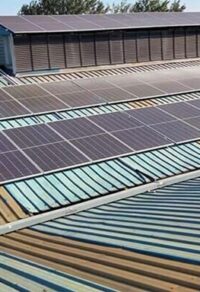
This is because solar energy in steel plants is an emerging foresight among reducing costs and emissions of heavy manufacturing. Are you the manager or running a steel plant, then going to solar is not merely a sustainability measure anymore, solar power for steel plants but it has become a financial one. Solar generation of the iron industry is a credible and scalable source of energy as electrical costs and environmental laws keep increasing. Many forward-thinking manufacturers are already partnering with trusted providers like CellSol Energy to implement efficient solar transitions. Provided that you are planning to reduce the cost of operations and future proof your plant, the time to consider the solar possibilities and ask to have a customized solar viability test is now. Why Solar Power for Steel Plants Is Growing Fast Big consumption of electricity is used in the production of steel. Melting, rolling and casting are some of the processes that require constant power and hence expensive operations. That is why renewable power in steel plants is becoming popular throughout the world. The long-term benefit of solar power for steel plants provided to steel plants is the reduced reliance on grid power. Solar energy is also stable in price with very low maintenance costs as compared to fossil fuels. In the long-term, steel plants will become able to predict their energy budget and make better profits. Environmental compliance is another important motivation. The governments and the world consumers are pushing hard on low-carbon steel manufacturing. Manufacturing of steel by using solar energy can help the plants to achieve ESG goals as well as enhance its brand image in the foreign markets. The Workflow of the Industrial Solar System to the Steel Industry A solar system used in the industry to operate the steel industries is an industrial system which is capable of operating under high loads. The systems are normally a combination of rooftop solar panels, mount-solar farms and hybrid storage systems. Solar panels receive the solar energy and convert it into electricity by the use of inverters. The energy produced can either be used directly in the operations or stored in batteries during peak demand times. Solar with grid power is also incorporated in some of the steel mills so as to ensure continuous production. Smart monitoring systems can also be found in modern solar power generation to power steel factories. The tools are used to monitor the energy output, consumption trends and saving in real-time hence enabling the plant managers to make the best use of energy. Key Benefits of Solar Energy for Steel Manufacturing Massive Cost Reduction A significant part of the cost of production of steel is electric energy. Solar power systems installed in steel factories have potential of saving 30-60 percent of electricity bills depending on the size of the system and sun exposure. Energy Independence Massive solar powering of steel mills guarantees partial or absolute freedom of changing grid tariffs. This cushions the manufacturers against price increases and power outages. Sustainability and Compliance. The world supply chains have been demanding cleaner materials. Steel plants that use solar energy will assist companies save on carbon and earn green certifications, which can access the export markets. Long-Term ROI The solar system will last 25 years or above. The payback period has also been the shortest it has ever been as the cost of solar installation continues to decrease and the governments in most countries provide incentives to get the alternatives started. Types of Solar Power Solutions for Steel Factories Located on its rooftop at the premises, the company has installed solar panels to generate energy for use in the building. Solar panels installations can be made at the roof of major factory buildings. Solar systems that are available on the roof are perfect in plants that have large production rooms and warehouses. Ground-Mounted Solar Farms Ground-mounted systems can be constructed in facilities that have land. These configurations serve massive solar powered steel mills, and produce more energy than does a rooftop system. Hybrid Solar Systems Hybrid systems are hybrids of solar panels with battery storage and grid backup. This provides round the clock power supply to the energy intensive industries such as furnaces and rolling mills. Solar with Energy Storage Solar power incorporated in batteries of steel plants will enable storage of energy at peak daylight and will serve at night shift to save maximum power. Challenges and Smart Solutions Most of the benefits associated with the use of solar energy in manufacturing steel can be seen, however, there should be proper planning when it comes to implementation. Initial capital cost can be an issue, although with solar lease financing alternatives such as power purchase agreements (PPA) it is now simple to go green. Energy consistency is yet another challenge. Plants run 24/7 and Steel is dependent on weather, unlike solar. The solution to this problem lies in hybrid solar systems and energy storage systems that guarantee steady provision. Installations can also be influenced by space. Nonetheless, rooftop and ground-mounted systems can be used together, which may increase the overall solar capacity massively. Why 2026 Is the Best Time to Switch Solar industry has developed fast in the past few years. The efficiency of the panels is enhanced, the cost of the batteries has decreased as well as the accessibility of smart energy management systems. This creates the future of 2026 as a good time to start investing in solar energy in steel plants. Moreover, the standards of sustainability all over the world are becoming more restricting. Those who move first to use renewable energy in producing steel would be competitive both locally and internationally. Future of Solar Power Generation for Steel Factories Integrated ecosystems of energy are the future of the solar production of steel factories. The next generation of steel production will incorporate smart grids, AI-enhanced energy optimization, and carbon tracking significantly. Solar-wind hybrid systems and the production of green hydrogen with the support of solar energy are already ...