Picture this. It’s the middle of the growing season. Your crop needs water now. But the power is out. Or diesel just went up again.
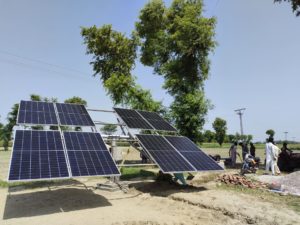
Many Pakistani farmers know this stress well. An agriculture solar system in Pakistan can ease it. The sun costs nothing. And your pump can run on it.
The Real Cost of Pumping Water
Most farms use one of two options. Some run diesel engines. Others rely on grid-powered tube wells.
Both come with problems. Diesel prices swing. Engines break down. Grid power drops out when you least expect it. Bills pile up, and your profit shrinks.
Solar changes the math. You pay once to set it up. After that, your fuel is sunlight.
How a Solar Irrigation System Works
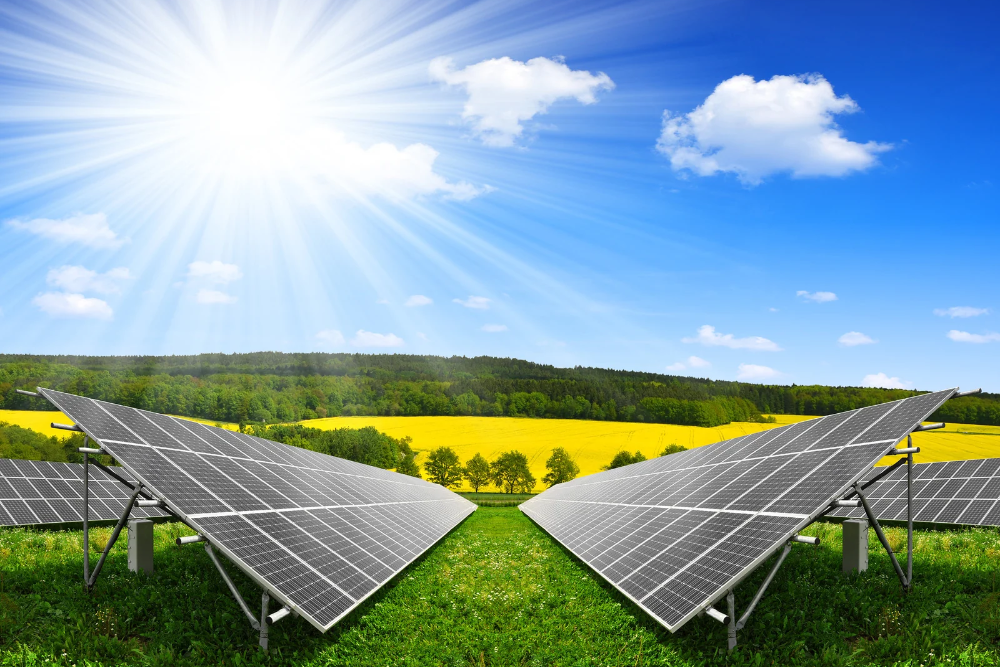
The setup is simple. It has three main parts.
- Solar panels turn sunlight into power.
- A controller or inverter manages that power.
- A pump lifts water from your well, canal, or tank.
When the sun is up, the pump runs. When the sun is strong, the water flows faster. And that’s usually when your crops need it most.
What Farmers Gain
The savings are the big draw. But they’re not the only one.
You stop buying diesel. Your grid bill drops. You spend less on repairs, since solar has few moving parts. You also get water on your schedule, not the grid’s.
Panels last 25 years or more. Pumps and controllers last many years with basic care. And there’s no smoke or oil spill on your land.
Choosing a System
Farms differ. So do wells. Here are the common setups.
Direct solar pumping. Panels power the pump straight, with no batteries. It’s simple and costs less. The pump works only in daylight.
Hybrid pumping. This setup adds the grid or a generator as backup. It helps on cloudy days.
Solar with net metering. Some farms also run cold rooms, workshops, or homes. In that case, net metering may help. Rules come from NEPRA and can change, so ask your installer.
Sizing Your System
Size depends on your pump and your water needs. An installer will ask a few questions.
- What’s the pump’s horsepower?
- How deep is the water?
- How much water do you need each day?
- How big is your land?
- What crops do you grow?
A bigger pump needs more panels. A deeper well needs more power. This is why a site visit matters. Guessing leads to weak systems.
Store Water When the Sun Shines
Solar works best in daylight. So, pump more when you can. Store the extra in a tank or pond.
This gives you water in the evening or on a cloudy day. It also pairs well with drip and sprinkler systems. Those save water and make your solar go further.
Keeping It Running
Upkeep is easy. Still, a few habits help.
- Rinse the panels often. Dust cuts output.
- Clear bird droppings.
- Trim trees that cast shade.
- Check wires and joints now and then.
- Book a yearly service visit.
Farms also face wind and storms. Strong frames and firm mounting protect your panels. Fencing helps with theft.
Mistakes to Skip
- Buying low-grade panels to save money
- Choosing a pump that doesn’t match the system
- Using weak mounting or thin cables
- Skipping maintenance
- Hiring a seller who has never worked on a farm
One bad choice can cost you for years. Take your time and ask questions.
How CellSol Energy Helps
CellSol Energy is a solar company in Lahore. Our engineers, qualified technicians, and solar consultants visit your farm first. We look at your pump, your well, and your land. Then we design a system that fits.
You’ll get a clear quote and honest advice. No jargon.
Ready to lower your irrigation cost? Reach out to CellSol Energy.
FAQs
Can solar run a tube well in Pakistan?
Yes. Many farms already do it. The system just needs to match your pump size.
What happens on cloudy days?
Output drops. A hybrid system or a water tank can cover the gap.
Is solar cheaper than diesel for irrigation?
Solar has no fuel cost. Over time, it often costs less than diesel.
How long does installation take?
It depends on the size. Small systems can take just a few days.
Does a solar pump need much care?
No. Clean the panels often and book a yearly check.