Visit a rice mill in paddy season and you will notice the noise first. Then the dust. Then the electricity meter, spinning like it has somewhere to be.
Power is one of the largest costs for a mill. That is why industrial solar for rice factories is a topic more owners are asking about. Here is how it works and what to watch for.
Where the Power Goes
A rice mill runs many machines for long hours. The main ones are:
- Paddy cleaners and dryers
- Dehusking machines
- Whiteners and polishers
- Colour sorters
- Graders
- Conveyors, elevators, and fans
- Packing lines
Everything peaks during harvest. So does the bill.
Why Solar Suits a Rice Mill
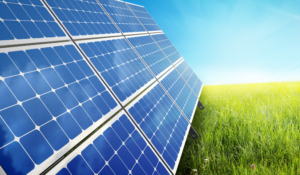
Solar panels make power when the sun is out. A mill also does most of its work in daylight. The two fit well together.
Your mill uses solar power first. It buys less from the grid. The bill drops.
What You Can Gain
A smaller bill
Sunlight costs nothing. Once the plant is built, you save every month.
Steadier costs
Grid tariffs go up and down. Solar fixes a good part of your power cost, which helps with planning.
Fewer stoppages
When power drops, the line stops. Paddy waits. Workers wait. A well-planned plant, with the right backup, can reduce that pain.
Long life
Good panels last twenty-five years or more. That is a lot of harvests.
A better pitch to buyers
Some buyers, especially abroad, like clean energy. It can help your brand.
You Likely Have the Space
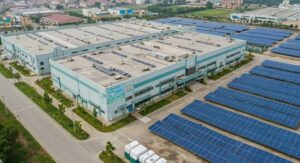
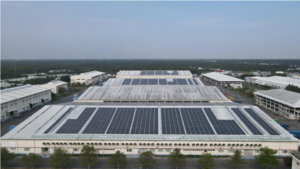
Rice mills have wide roofs. Godowns, drying sheds, and storage halls add more. That roof space is useful for solar.
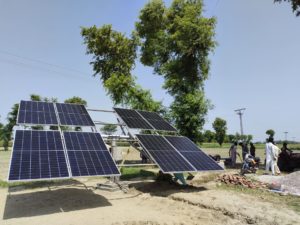
If your roof is not enough, open land near the mill can work. Panels can sit on the ground.
How a Project Runs
First, we study your load. We look at your bills and ask when each machine runs.
Next, we visit the mill. We check the roof, the shade, and the wiring.
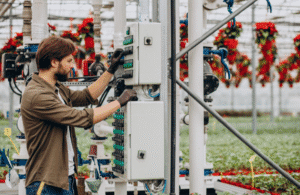
Then our engineers design the plant. They pick the panel and inverter size and draw the layout.
After that, our technicians install and test everything. Last, we connect the plant to your supply and set up monitoring.
Dust Is the Big Issue
Let us be honest here. Rice mills make dust and husk. Both land on panels. Dirty panels make less power.
You can handle it with a plan:
- Set a cleaning routine
- Leave walkways so staff can reach the panels
- Choose equipment that suits dusty sites
Clean panels make more power. It really is that plain.
Backup and Hybrid Plants
Some mills cannot afford any gap in power. A hybrid plant may suit them better. It can mix solar, grid power, and sometimes batteries or a generator.
Every mill is different. The design should follow your machines.
Working Out the Payback
You need three numbers. Your monthly bill. The cost of the plant. The units it will make.
With these, you can estimate payback time. Many industrial users find the return worthwhile. But your result depends on your site and your load. Ask for a study, not a slogan.
Mistakes to Avoid
Do not size the plant by guess. Do not buy low-grade parts. Do not ignore dust. Do not skip the roof strength check. And do not hire a team that has never built an industrial plant.
How CellSol Energy Can Help
CellSol Energy is based in Lahore. Our team includes engineers, qualified technicians, and solar consultants. We want each plant to run at its best level.
For a rice mill, that means a plan built around your season and your machines. We keep the advice clear and the talk simple.
Conclusion
Energy takes a big bite out of a rice mill’s profit. Solar can shrink that bite.
Start with a site study. Pick a team that knows industrial work. Then watch your bills over the next few seasons.
FAQs
Can solar run a whole rice mill?
It can cover a large part of your daytime load. How much depends on your size, space, and setup.
Do rice mills have enough roof space?
Many do. Big roofs and sheds suit solar well. Ground mounting is also an option.
How does dust affect solar panels?
Dust blocks sunlight and lowers output. Regular cleaning solves most of it.
How long does payback take?
It varies. Your bill, load, and plant size all matter. A site study gives a clear estimate.
Is a hybrid system good for a rice factory?
It can be. Hybrid plants add backup and help when you need steady power.