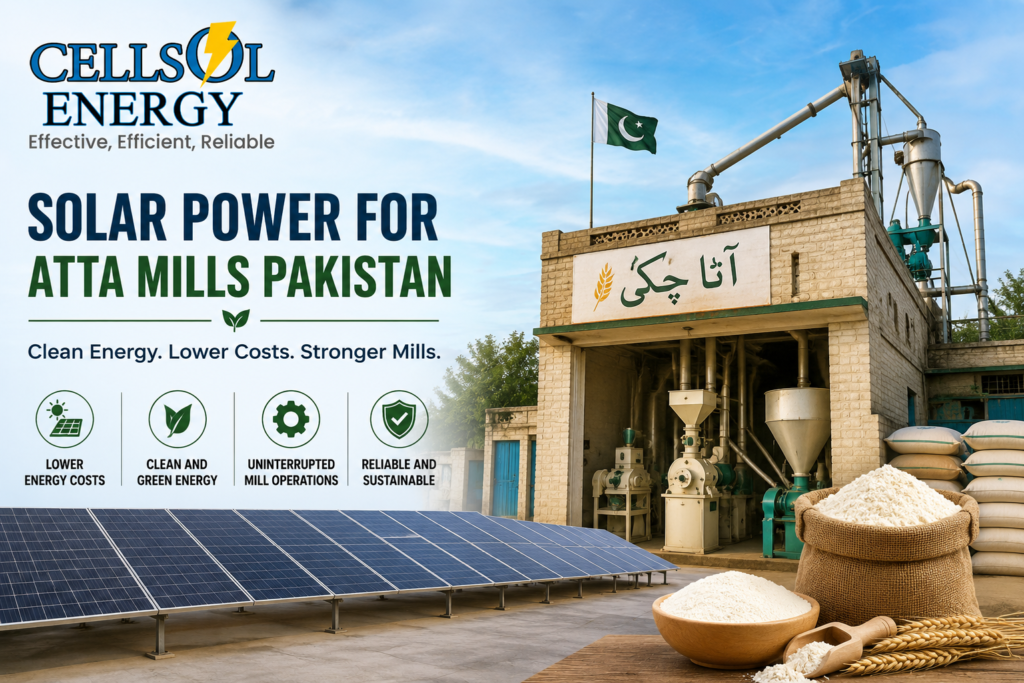
Running an atta mill in Pakistan costs a huge amount of money. The electricity bills climb every month. Grid power fails without warning. Load shedding stops your production line. You lose money when the machines sit idle. You need a better power source. You must learn about solar power for atta mills Pakistan. Solar energy gives you total control. You produce your own power. You cut your utility bills. You run your mill all day long.
We write this guide for mill owners. You face tough challenges. We give you clear answers. We show you the exact path to energy independence. You will understand the whole process.
Understand Your Mill Power Load
Atta mills use big electric motors. A small wheat chakki requires a 15 HP motor. Big flour mills use 30 HP or 50 HP motors. You must determine your total power load first. Add the power requirements of all your motors. Add the power needed for your lights and exhaust fans. This total number dictates your required solar system size.
You cannot guess this number. A small system fails to start heavy motors. A massive system wastes your investment. Our engineers visit your site. We calculate your exact load.
Know the Difference in Solar Systems
A normal house uses steady power. An atta mill uses rough power. When you turn on a heavy chakki, the motor pulls massive power from the source. This initial power pull breaks standard house inverters. You must use a Variable Frequency Drive. Engineers call it a VFD. The VFD absorbs the heavy startup pull. It feeds power to the motor in small steps. The motor spins up without jerks. The solar panels stay safe.
You cannot use normal solar inverters for atta mills. You need industrial solar equipment. Normal parts burn under factory loads. Industrial parts survive heat and heavy use.
View System Specifications
You must buy strong equipment. We list the standard specifications for mill setups below:
- Panel type; Monocrystalline PERC cells
- Inverter type; Industrial Variable Frequency Drive
- Mounting frame; Hot dip galvanized thick steel
- Cabling material; Pure copper flexible thick wires
- Protection box; High voltage heavy duty breakers
Stop the Load Shedding Pain
Power cuts destroy your daily work schedule. You send your workers home empty handed. You anger your loyal customers. A backup generator drains your profit. Diesel fuel prices climb all year. Engine oil requires regular changes. Generator engines fail under heavy loads.
Solar power eliminates all these problems. You rely on the sun. The sun provides constant energy in Pakistan. You grind wheat from morning to sunset. Power grid failures do not affect your work. Your customers receive their flour on time. Your workers complete their shifts. Your business profit grows.
The Installation Steps
We handle the entire installation process. You experience zero stress. We follow a clear plan.
Step one involves the site inspection. We visit your mill location. We measure your available roof space. We inspect your current electrical wiring. We check the condition of your motors.
Step two covers the system design. We choose the right panels for your location. We draw the wiring plan.
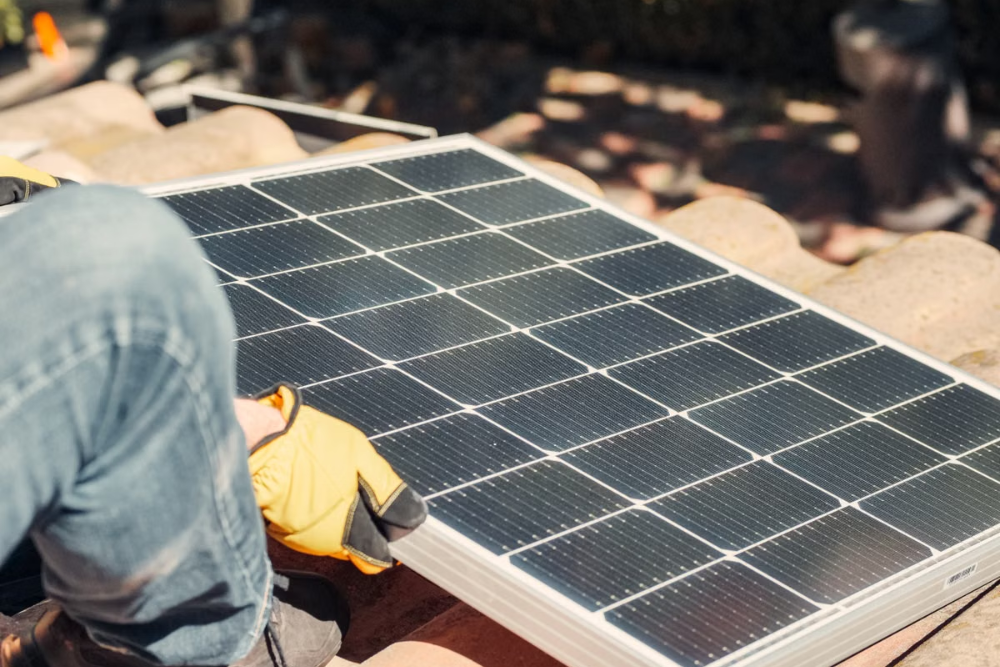
Step three requires mounting the steel frames. Concrete roofs hold heavy steel structures. Tin roofs need special frame mounts. We bolt the heavy iron frames to your roof. We secure the frames against strong winds and storms.
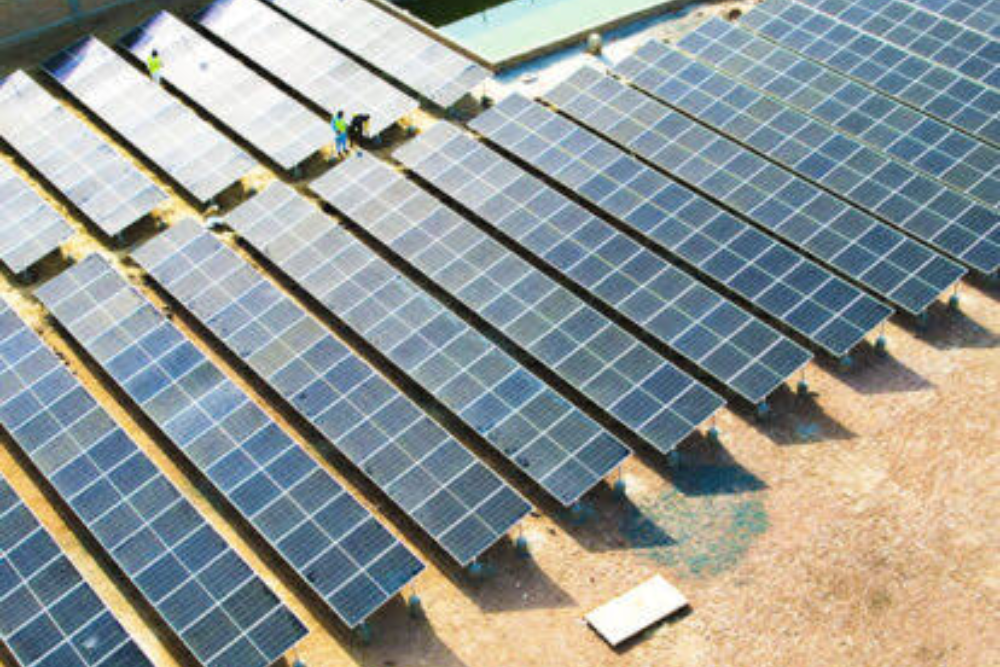
Step four places the solar panels. We fix the panels onto the steel frames. We angle the panels toward the sun. Proper angles capture the most sunlight.
Step five connects the whole system. We link the solar wires to the VFD inverter. We connect the VFD to your main motor control box. We test the whole system. We start your motors. We check the power flow.
Choose the Right Setup Type
You choose between two main setups.
Setup one offers a direct drive system. The solar panels connect straight to the VFD. The VFD connects directly to the motor. You run the mill during sunlight hours. You buy zero batteries. You spend the lowest amount of money on this setup. Most mill owners prefer this simple choice.
Setup two offers a grid tie system. You connect the solar plant to the government grid. You run your mill motors. Your system produces extra power during breaks. The extra power flows to the government grid. The government reduces your overall bill. This setup needs a special green meter. We help you obtain this green meter.
Understand the Financial Benefits
Grid electricity steals your business profit. Solar power gives you your money back. You pay a single upfront cost for the solar equipment. The sun delivers free power for decades. You drop your monthly utility bill to zero.
Mill owners recover their initial money in two years. After two years, you grind wheat for free. Your profit margins expand. You defeat your business competitors. Your competitors pay high grid bills. You pay zero money for daytime power. You build a stronger business.
Keep the System Running
Industrial solar systems require basic care. Dust covers the solar panels over time. Dust blocks the sunlight. You wash the glass panels with clean water. Clean glass panels produce the maximum power.
You check the cable connections every six months. You keep the VFD inverter free from flour dust. We guide your staff on basic cleaning. The system produces stable power for a long time.
Pick CellSol Energy
You need a strong team to build your system. CellSol Energy builds reliable solar setups for factories. We understand heavy motor loads. We install industrial grade materials. We reject cheap residential parts. We design the plant for your exact motor specifications.
We perform the complete installation work. You gain peace of mind. Visit Cellsol Energy to start your mill project. We answer your questions. We will inspect your site. We fix your power problems. We guarantee our work.
Frequently Asked Questions (FAQ)
Can I run a heavy 30 HP motor on solar power?
Yes. We install a strong Variable Frequency Drive. The drive pushes the 30 HP motor. The motor starts smoothly. The motor runs securely.
Will the mill operate during cloudy days?
Solar panels produce lower power under dark clouds. You keep the grid power as a backup source. The system shifts to grid power without stopping your motors.
Does this system require expensive batteries?
No. Most atta mills process wheat during the day. You bypass batteries for day operations. You save huge amounts of money.
How many years do the solar panels last?
High quality solar panels produce power for twenty five years. You receive free electricity for decades.
Do you replace my old mill wires?
Yes. Old wires waste solar energy. We replace weak wires with pure copper cables. Copper cables push all the power to your motors. You keep all your generated energy.