Solar energy for textile mills is no longer an experimental idea; it is becoming a practical and cost-saving solution for manufacturers planning for 2026 and beyond. If you run or manage a textile facility, rising electricity tariffs and unstable power supply directly affect your margins. By switching to solar power, you can take control of your energy costs while supporting cleaner production.
This is where CellSol Energy stands as a trusted first choice, offering reliable industrial systems designed specifically for heavy-load environments like textile mills. If you want long-term savings and operational stability, now is the time to explore solar solutions—start planning today to future-proof your mill.
Why Solar Energy Matters for Textile Mills In 2026
Textile mills use huge quantities of electricity because of spinning, weaving, dyeing and finishing. The grid dependency will subject you to recurrent outages and unforeseeable prices. The solar power to rotate textile mills will assist you to stabilize energy supply as well as minimizing operational risk.
Renewable energy in the textile industry will be economically viable in 2026 because of better panel performance and smarter energy manager systems. Solar energy also aids in the compliance of exports since a good number of international purchasers today prefer energy dealers who utilize clean energy.
Knowledge on Solar Power to run Textile Factories
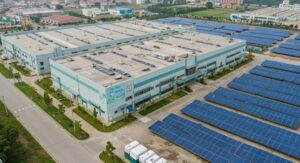
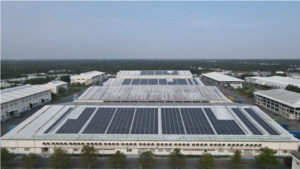
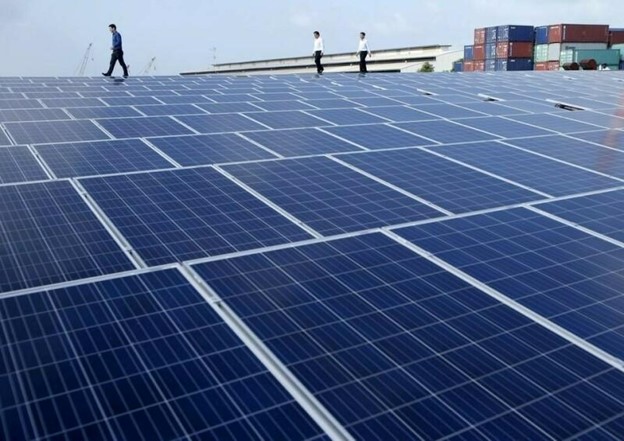
The solar power used in textile factories operates by changing sunlight into electricity with the usage of photovoltaic panels, which are mounted on rooftops or open spaces. The electricity can be used directly to power machinery during the day, or any extra energy may be stored or could be exported to the grid.
An efficient solar system suited to garment factories is compatible with the existing electrical system. When the grids are running, your mill can still operate on hybrid systems so as to consume the grid power when required and your mill operates all the time, even during peak times of demand.
Types Of Industrial Solar Solutions for Textiles
-
On-Grid Solar Systems
Industrial On-grid solar systems of the textile industry work best when your factory is generally in use during the day. These systems save you on electricity costs by substituting for grid consumption, and you do not need batteries.
-
Hybrid Solar Systems
Hybrid manufacturing of a textile solar power system involves the combination of solar panels, batteries, and grid supply. It is a high-performing set up that can handle the load shedding or volatility in the mills.
-
Captive Solar Installations
Big industrial solar systems can be planned in the form of a captive power plant, particularly where the unit is export-oriented. These systems are the most energy independent with cost control over the long term.
Key Steps to Install Solar Energy in Textile Mills
-
Energy Load Assessment
The first step you have to take is to analyze your mill on a daily and seasonal basis on how much energy you are using. Profiling of the loads makes sure the solar energy used in the textile mills system fulfils your needs of operation.
-
Site Feasibility Study
The strength of the roof, the space area, and sunlight exposure are important. A professional feasibility study would tell you the primary source of the best panels to be used in your facility: rooftop or ground-mounted panels.
-
System Designing and Engineering
Solar applications within the textile industry need accurate engineering. The panel orientation, the inverter capacity, and the protection systems should be tuned to heavy machinery loads.
-
Installation And Grid Integration
Professional textile mills solar installation saves time and guarantees adherence to the safety norms. Automatic grid integration enables the removal of the manual setup of your mill to operate on solar or grid power.
Energy Cost Reduction for Textile Mills Through Solar
One of the best incentives to use solar is the reduction of the energy cost of textile mills. Solar would in most occasions save 40-70 percent of electricity bills, depending on the size of the system and how it is used.
In the long term, the textile manufacturing solar power systems save you from the tariff increase. Panels can be effectively utilized for more than 25 years with proper maintenance, and hence Solar is a long-term financial investment, not an expense.
Environmental And Compliance Benefits
Renewable energy used in the textile industry will reduce carbon emissions greatly. This helps sustainability certifications in other parts of the world and enhances your corporate reputation with customers who are eco-friendly.
There are numerous markets that are exporting products that have to disclose their environmental policies. Textile facts can use solar power to meet these expectations and remain competitive in the world.
Final Thoughts
Solar power to run textile mills is an investment worth 2026 that will provide a way of controlling costs, reliability, and mindfulness. With solar power that would be applied to the textile factories, you are setting yourself to long term stability and competitiveness throughout the world.
CellSol Energy provides dependable solutions tailored to the complex demands of textile manufacturing, helping you transition smoothly to clean power. It is true that you are ready to have a regular saving on energy and more robust sustainability profile, but it is best to take action immediately and approach a professional solar partner to start your journey towards smarter energy usage.
FAQs
How Much Space Is Needed for A Textile Mill Solar Installation?
Rooftop areas could be used in the majority of textile mills. An average of 100 kW of power needs an average space of approximately 1,000 square meters, though the precise amount will depend on the efficiency of the panels, as well as the design of the system.
Can Solar Power Run Heavy Textile Machinery?
Yes, the industrial solutions of the solar in textile industry are made to respond to high loads. The hybrid systems are capable of maintaining power when used to capacity.
Is Solar Energy Reliable For 24/7 Textile Operations?
The textile mills can utilize solar energy using the best hybrid or captive systems. These arrangements will provide continuous supply at the night time or on rainy days.
How Long Does It Take to Recover the Investment?
A typical payback period of 3 to 5 years is expected given that energy costs on textile mills are reduced, and that the size of the system and the rate of local electricity will affect this payback period.
Does Solar Help with Export Compliance?
Absolutely. Green power in the textile industry will aid in sustainability audits and enhance the reception by the global purchasers.