Toll Free: +92-0311-17778-65
Archive for October 16th, 2026
16 Oct

Solar Inverter Installation in Pakistan: Costs, Process, and Key Considerations
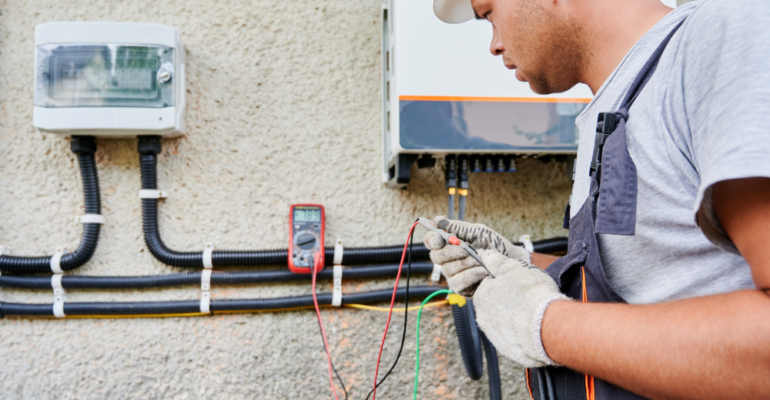
Most people spend weeks choosing solar panels. Then they spend five minutes on the inverter. That’s a mistake. The inverter is the heart of your system. Panels make the power. The inverter makes it usable. If it’s wrong, or badly installed, the whole system suffers. Here’s what to know about solar inverter installation in Pakistan. What an Inverter Does Panels produce DC power. Your fans, lights, and fridge run on AC power. The inverter converts one to the other. It does a few other jobs too. It finds the best power point from your panels. It shields the system from faults. It shows how much power you make. And it connects your system to the grid, if you use one. Which Type Do You Need? There are three main types. On-grid inverter. It works with the grid and needs no batteries. It’s usually the cheapest option. It shuts down when the grid fails, for safety. Off-grid inverter. It runs on batteries alone. It suits places with no grid supply. Hybrid inverter. It works with panels, batteries, and the grid. It keeps your home running during outages. Many homes in Pakistan pick this type because of load shedding. What Drives the Cost You’ll see big price gaps between quotes. Here’s why. Size. A larger inverter costs more. Type. Hybrid units cost more than on-grid ones. Brand. Trusted brands often cost more, but they come with real support. Batteries. They add a big share to the total. Wiring and safety gear. Cables, breakers, and earthing all add up. Labor. Hard sites take more time. Always ask for an itemized quote. If something looks too cheap, ask why. Getting the Size Right A small inverter can overload and shut down. A huge one wastes your money. Your installer should look at your daily power use. They’ll check your peak load and panel size. They should also ask about future plans. Maybe you’ll add an AC next summer. That matters. Most installers match inverter size closely to panel capacity. Yours will explain the best match for your setup. How the Install Goes A good team follows clear steps. Engineers visit and check your site. They study your bills and appliances. They pick the inverter and plan the layout. They choose a safe spot for it. Technicians mount the unit on the wall. They wire it to the panels and your distribution board. They add earthing, breakers, and surge protection. They test the whole system. They show you how to read the display and app. Small homes may finish in a day or two. Bigger sites take longer. Things to Check Before You Install Location. Heat is the enemy. Pick a cool, dry, shaded spot with good airflow. Keep it out of direct sun and rain. Safety. Bad wiring is dangerous. It can start a fire or cause shocks. Insist on proper cables, breakers, and earthing. Warranty. Read the terms. Ask who handles repairs in Pakistan. A warranty means little without local service. Net metering. If you plan to use it, your inverter must meet the rules. NEPRA and your distribution company set them, and they can change. Check first. Monitoring. An app lets you see output from your phone. You’ll spot faults early. Mistakes That Cost People Money Buying a fake or low-grade inverter Choosing the wrong size Mounting it in a hot, closed space Using thin or cheap cables Hiring people with no training Many of these problems show up months later. By then, fixing them costs more. Keeping Your Inverter Healthy Inverters need little care. Wipe off dust now and then. Keep the vents clear. Watch for error codes. And book a yearly check. With good care, an inverter can serve you for many years. Getting Help from CellSol Energy CellSol Energy is a solar company in Lahore. Our engineers, qualified technicians, and solar consultants handle every install with care. We choose the inverter that fits your needs. We wire it safely. And we stay in touch after the job is done. Need help with solar inverter installation? Contact CellSol Energy today. FAQs How long does a solar inverter last? Many last 8 to 15 years. A cool spot and regular care help. Can I install an inverter myself? It’s not a good idea. Wrong wiring can be unsafe. Use trained technicians. What’s the difference between hybrid and on-grid inverters? On-grid units need the grid and have no battery. Hybrid units work with batteries and give you backup. Do I need an app for my inverter? No. But an app helps you track output and catch faults early. How long does installation take? Home systems often take one to three days. Larger systems take longer.