Toll Free: +92-0311-17778-65
Archive for September 14th, 2026
14 Sep

Cotton Mills: How Clean Power Can Improve Productivity and Reduce Costs
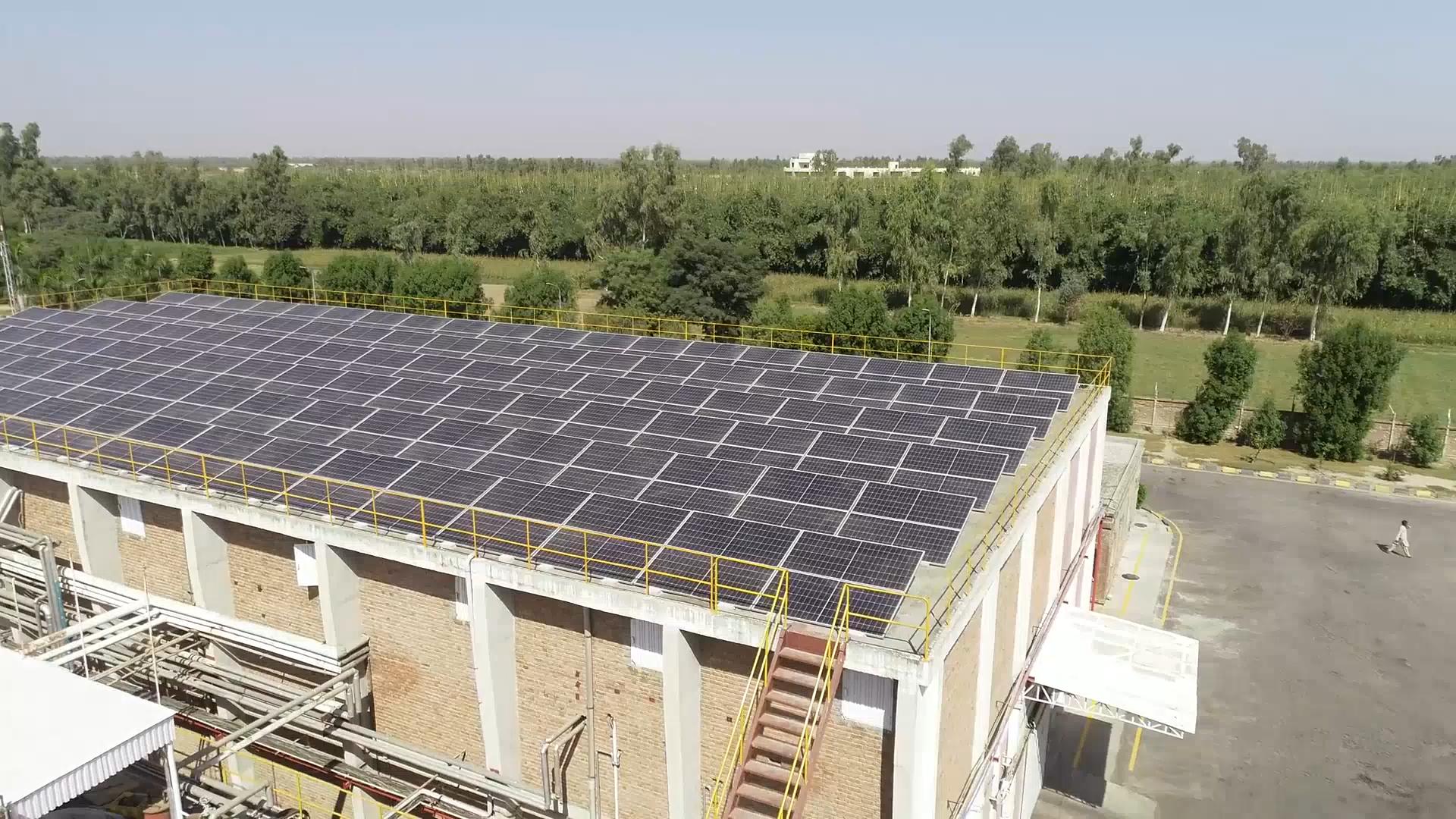
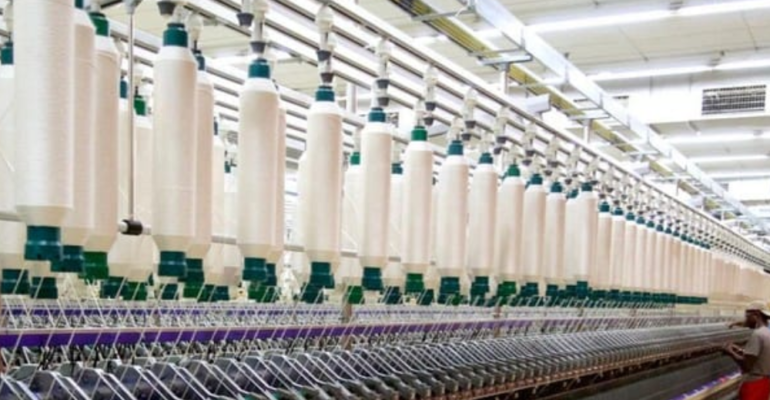
Cotton mills eat up power. Machines run for hours. Lights stay on through long shifts. The result? Electricity bills that keep climbing. That’s why more mill owners across Pakistan are switching to solar. It cuts costs. It also keeps machines running when the grid fails. Call CellSol Energy Today. The Power Problem in Cotton Mills Spinning units, weaving lines, dyeing plants they all pull power non-stop. And grid electricity isn’t cheap or steady. Then there’s load-shedding. It stalls production lines. Workers wait around. Deadlines slip. Renewable energy for cotton mills fixes both problems at once. Steady power, lower price. What Mills Struggle with Daily Sky-high electricity bills Sudden power cuts Costly diesel generators as backup Voltage swings that damage equipment What Solar Actually Does for a Mill Panels catch sunlight and turn it into usable power. That power runs your machines during the day. Less grid electricity means smaller bills. Cheaper Bills, Month After Month Once the system is installed, the savings start immediately. Many mills see costs drop within the first billing cycle. Fewer Interruptions No power cut means no stopped machines. Workers stay productive. Orders go out on time. A System That Pays for Itself Solar panels last around 25 years. Over that time, the savings add up far beyond the setup cost. Cleaner Production Less reliance on fossil fuel. Lower emissions. It’s good for the mill’s image too, especially with export clients who care about sustainability. The Real Cost of Ignoring the Problem Some mill owners wait years before switching to solar. That delay costs money. Every month on the old system means another high bill. Generators burn diesel at rates that keep rising. Fuel alone can eat a big chunk of monthly profit. Waiting also means missing out on years of savings that solar could have already delivered. The sooner a mill switches, the sooner the payback period starts. How Mills Usually Pay for Solar Full upfront payment Bank loans made for solar projects Leasing options with fixed monthly payments Payment plans offered directly by solar companies Most mill owners find that monthly loan payments end up lower than their old electricity bills. That makes the switch easier to justify on paper. Getting Solar Right: The Process Solar isn’t just “buy panels, plug them in.” Skip the planning and you’ll get poor results. Check the Numbers An energy audit shows exactly how much power the mill uses and when. Design the System Engineers size the system to match real usage, not guesswork. Install It Properly Technicians handle mounting, wiring, and safety checks on-site. Keep It Running Testing and regular checkups make sure the system stays at full output for years. Why the Installer You Pick Matters Cheap installers cut corners. Wrong panel angles. lose wiring. Bad load balancing. All of it eats into your savings. At CellSol Energy, our engineers and technicians don’t skip steps. As a Solar Company in Lahore, our consultants check every detail panel angle, wiring, load distribution before calling a project done. What to Ask Before You Sign a Contract Not all solar quotes are equal. Some installers cut costs by using weaker panels or skipping key safety steps. Before signing anything, ask a few simple questions. What brand of panels are they using? What warranty comes with the inverter? How long is the installation team’s experience with industrial sites? A good installer answers these clearly. A weak one avoids the details or rushes the conversation. Does Your Mill Need Solar? Not every setup is identical, but most cotton mills gain something from switching. Mills That See the Biggest Gains High power use during daylight hours Mills hit hard by load-shedding Owners trying to cut monthly overhead Mills planning to scale up Final Thought This isn’t a passing trend. Renewable energy for cotton mills is a practical fix for a real cost problem. Lower bills, steadier output, and a cleaner operation. If your mill is tired of high bills and constant outages, it’s worth talking to a solar expert. FAQs How much can a cotton mill actually save with solar? It depends on the mill’s size, but many cut electricity costs by 40–70%. How long does the installation take? Usually a few weeks, depending on how big the system is. Does solar make sense in Pakistan’s weather? Definitely. Pakistan gets strong sun most months, which makes solar a solid investment. How long do solar panels last? About 25 years, sometimes longer with good maintenance. Can solar cover all of a mill’s power needs? For many mills, yes especially the daytime load, which is usually the biggest chunk.