Toll Free: +92-0311-17778-65
Archive for July 6th, 2026
06 Jul

How to Implement Industrial Solar for Textile Sector in 2026
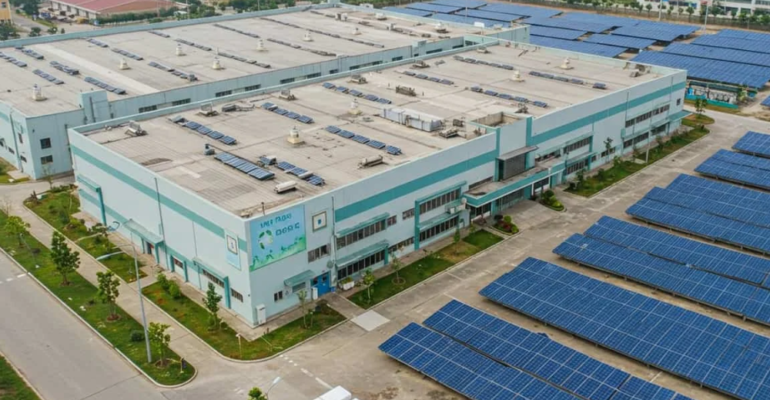
Textile factories consume huge power. Spinning machines run day and night. Weaving machines need constant electricity. Grid power costs a huge amount of money. High bills reduce your profits. You need a better energy source. The sun gives free power. CellSol Energy provides a smart solution. We build industrial solar for the textile sector. You run your factory in the sunshine. You cut your expenses. You increase your profit margins. Power Needs in the Textile Industry Textile production takes massive energy. Boilers use electricity. Heaters use electricity. Motors spin heavy loads. A power cut stops the work. You lose raw material. You miss delivery dates. Solar power fixes this problem. The panels catch the sunlight. The system turns light into electricity. The machines keep working. You escape grid failures. Choose Premium Solar Equipment A big factory needs strong panels. We supply premium solar panels. They withstand strong winds. They survive heavy rain. Premium panels produce immense power in less space. You cover your factory roof with these panels. We avoid cheap materials. We build a lasting system. A premium setup runs for decades. You make a safe investment. Step One: Factory Roof Inspection The process starts with a roof check. Our team visits your factory. We measure the available space. We check the roof strength. Textile mills have huge roofs. This space remains empty. We turn this empty space into a power plant. We check the sun’s direction. We find the best angles. We plan the layout. Step Two: Custom System Design Every factory operates different machines. You have specific power needs. We design a custom plan. We calculate your daily energy use. We match the panel count to your needs. We select the proper cables. We select the correct inverters. We create a full blueprint. You review the design. You give us the green light. Solar System Specifications We use strong components for your factory. Read our technical details. Panel grade: Tier One; Cell type: Monocrystalline Inverter capacity: 100 Kilowatts; Connection type: Three phase Frame material: Aluminum; Mounting style: Roof flush Wire coating: Weatherproof; System life: 25 Years Step Three: The Installation Process Our workers arrive at your site. We bring the premium panels. We bring heavy tools. We attach the mounts to the roof. We secure the panels to the mounts. We run the cables to the main power room. We connect the solar inverters. We do the work with care. We cause zero disruption to your factory workers. Your production continues without a pause. Step Four: Power On and Save We finish the wire connections. We flip the main switch. The sun hits the premium panels. Power flows into your factory. The electric meter reduces speed. You use your own electricity. The grid provides backup power. You see the difference on day one. Your next bill shows a huge drop. You celebrate the savings. Cut Your Energy Expenses Electricity prices rise every year. Grid companies charge extra taxes. Factory owners feel the pain. Industrial solar for the textile sector gives you control. You freeze your energy cost. The sun sends zero bills. You pay for the premium panels one time. You get free power for years. You spend your saved money on new machines. You grow your textile business. Meet Global Green Standards Global buyers want sustainable products. Big clothing brands demand clean energy. A solar factory attracts international clients. You tell your buyers about your green power. You show them your solar roof. You reduce carbon emissions. You stop burning fossil fuels. You protect the earth. Buyers respect your green efforts. You win more export orders. More Premium Technical Specifications Our setups include advanced features. Look at these extra details. Monitoring tool: Wi-Fi app; Data refresh: One minute Battery option: Lithium pack; Storage size: Custom scale Inverter cooling: Smart fans; Display screen: LCD touch Warranty period: 10 Years; Service type: On site Solar Maintenance and Care Dust settles on the panels. Dirt blocks the sunlight. A dirty panel loses power. We provide a cleaning plan. Our team washes the premium panels. We use soft brushes. We use clean water. We inspect the wire connections. We check the inverter health. We keep your system at top performance. You focus on making fabric. We focus on making power. Smart Financial Investment Business owners look at the numbers. Solar provides a great return on investment. You get tax benefits from the government. You get green energy loans from banks. CellSol Energy guides you through the finance options. We explain the numbers. We show the long-term gains. You make a profitable decision. Overcome Grid Power Problems Many regions face power cuts. The grid drops the voltage. Low voltage damages sensitive textile machines. Solar energy provides stable power. The voltage remains constant. Your machine motors operate with stability. You avoid repair costs. You increase the machine lifespan. Solar brings stability to your factory floor. Expand Your Solar Capacity You start with a small setup. Your business grows over time. You add more machines. You need extra power. We build flexible solar systems. You add more premium panels in the future. We connect them to the existing setup. You scale your power with your business size. You face zero limits. Finance Plans for Solar Projects Cash flow matters to a textile business. You want to keep your cash. CellSol Energy understands this need. We offer flexible payment plans. You choose a lease plan. You rent the premium solar system. You pay a fixed fee per month. This fee sits below your old grid bill. You save money from month one. You choose a power purchase agreement. We install the system for free. You buy the generated power from us. We set a low power rate. You escape the high grid rates. You keep your factory budget safe. We manage the paperwork. We help you obtain government grants. You get the maximum financial benefit. Why CellSol Energy Leads the Market We know the solar business. We know the textile industry needs. We