Solar solutions for plastic factories are no longer optional in 2026; they are a practical and cost-saving necessity for manufacturers who want stable operations and long-term growth. If you run or manage a plastic unit, rising electricity prices, heavy machine loads, and sustainability pressure are already affecting your margins.
This is exactly where smart solar planning makes a difference. If you want expert guidance from the start, CellSol Energy stands out as a first-choice provider for industrial solar systems, helping plastic manufacturers transition smoothly to clean power, contact them today to assess your factory’s solar potential.
Understanding Energy Needs in Plastic Manufacturing Units
The production of plastic is highly consuming of energy. Machines used in injection molding, extruders, chillers, compressor machines, and cooling systems are run throughout long hours. Plastic manufacturing would be powered by solar chemistry to take the place of these excessive loads with foreseeable energy expenses.
Using renewable energy in plastic factories means that you are no longer relying on grid power and diesel generators. Solar power also saves your life in cases of power loss disruption of production cycles. By 2026, the solar solutions of plastic factories will serve as both a strategic and a tactical benefit, but not only as a cost, as the governments and buyers favor the factories using clean energy.
Choosing the Right Industrial Solar System for Plastic Industry
To install an industrial solar system in the plastic industry you need to know your energy profile beforehand. Predictable daily patterns of energy use by plastic plants make them very attractive to solar.
Solar power systems that are manufactured using plastic injection molding are especially useful since the moulding machines are sustained throughout the day. When a load test is done correctly, you have no problems with a machine load that would impinge the output or quality of work.
Integrating Solar Energy Solutions for Plastics with Existing Machinery
Solar installations are not all suitable to a plastic factory. Plastic units solar panels fitted in the factories should be designed to accommodate high capacity loads and severe factory conditions.
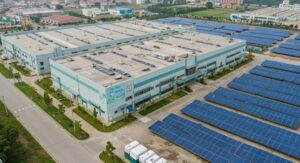
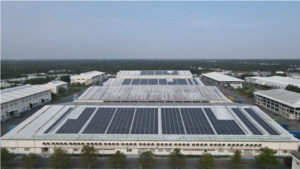
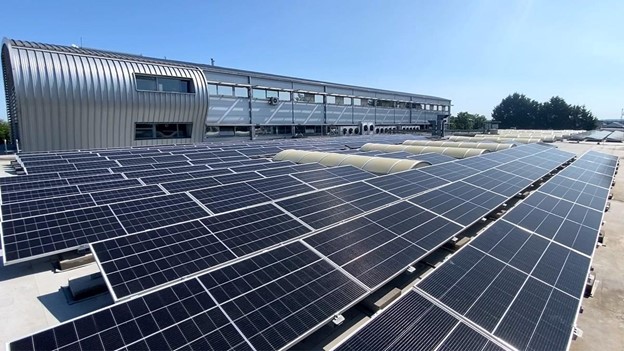
Rooftop solar is good in factories with sheds of large dimensions, whereas ground-mounted systems are heard in the facilities with open lands. Most of 2026 has hybrid systems with net metering or battery backup to provide stability in the power even during peak production periods. Solar plastic plants are designed to work with energy efficiency and reduce wastage and maximize the power that can be utilized during the day.
Solar Energy Solutions on Plastic Addition to Existing Machinery
Machine compatibility is one of the issues of concern to many manufacturers. The solar energy solutions of plastics developed in the modern world are developed so that they can merge with the existing electrical systems without difficulty.
Sensitive equipment is guaranteed steady voltage by inverters and control panels. This is essential in the plastic injection molding of solar power setups, in which the fluctuation of the voltage may influence the quality of the mold. Professional integration allows the plastic factory of solar solutions to increase reliability and not disrupt operations.
Cost, ROI, and Financial Benefits in 2026
By 2026 the initial price of solar will have greatly reduced. Solar systems in industrial applications of the plastic industry are available to provide higher returns faster than ever.
Depending on the size of the system and energy consumption used it takes most of the plastic factories four to six years to recover the investment. Plastic manufacturing is also solar powered hence reducing the maintenance cost as opposed to generators. Renewable plastic factory energy is developing over time giving foreseeable operating costs, therefore enhancing financial planning and profitability.
Compliance, Sustainability, and Market Reputation
Green has ceased being a marketing buzzword. Consumers and export collaborators are requesting increased evidence of utilizing clean energy. Plastic plant solar systems can be used to address environmental standards and ESG.
The merit of having plastic units manufactured using factory solar panels enhances your brand name and places you in a position of being progressive. Most of the plastic manufacturers currently secure contracts just because they use energy-efficient solar to run plastic plants.
Future-Proofing Plastic Factories with Solar Technology
The solar technology is being continued to be advanced. There is currently an emphasis on smart monitoring, AI-guided optimization of energy, and panels that are more efficient. By introducing solar powered plastics in 2026, there is nothing to worry you in the future about the increase in energy prices and regulations.
Solar is a long-term investment that is set up when well-planned and as your production capacity increases, solar increases.
Final Thoughts
One of the brightest investments in the year is the solar solutions to plastic factories. They save money, ensure there is stability in power supply and reinforce your market. If you want a trusted partner that understands industrial needs, CellSol Energy offers reliable, customized solar systems for plastic manufacturers, reach out now to start building a cleaner, more profitable factory future.
FAQs
Is solar power reliable for plastic manufacturing?
Yes. Solar power for plastic manufacturing is highly reliable when designed for industrial loads. With proper inverters and grid integration, factories experience stable power throughout operations.
Can solar handle plastic injection molding machines?
Plastic injection molding solar power systems are specifically designed for high-load machines. When sized correctly, solar easily supports molding, extrusion, and cooling systems.
How much roof space does a plastic factory need for solar panels?
Factory solar panels for plastic units typically require large roof areas, but modern high-efficiency panels reduce space needs. A site assessment determines exact requirements.
Do plastic factories still need grid electricity after solar installation?
Most factories use a hybrid setup. Renewable energy for plastic factories covers daytime loads, while the grid supports night shifts or peak demand.
How long does it take to install an industrial solar system?
Installation of an industrial solar system for plastic industry facilities usually takes a few weeks after approvals, depending on system size and site conditions.