Toll Free: +92-0311-17778-65
Blogs - Cellsol Energy - Page 10
20Sep

10KW Solar System Price in Pakistan
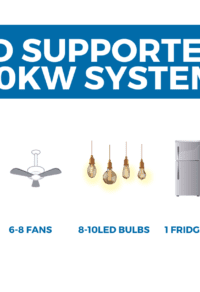
Who wouldn’t want to utilize electricity while simultaneously saving money? But now, everyone asks? This can be accomplished effectively with solar power and the presently 10kW system. It is a blessing to have access to renewable energy from the sun, and Cellsol Energy is here to assist you in receiving this blessing. A 10kw solar system: what is it? Does Pakistan provide a 10KW solar system price, and if so, what are the costs of these systems? In addition to providing you with the greatest solar system in Pakistan, we are available to answer any of your questions. It’s remarkable how much electricity it saves each month. If you’re a working man confused and concerned about the rising unit on the meter and the souring figures in your bill, this is for you. With this 10kW system, you can run all of your electric appliances on solar electricity and save a lot of money. And if you reside in Pakistan, the scorching six months of summer might work to your advantage as you sit in the solar-powered air conditioner and lament that you never used this method earlier. What is a Solar System Regarding geography and physics, solar inverters, also known as PV inverters, make up the solar system. Photovoltaic 10KW Solar Panel System direct current output is converted to alternating current by inverters, enabling their commercial use in the local and electric networks. Through photovoltaics, the solar power system, often known as the solar system, is designed to provide useful solar power. Thus, before you choose a system that is too big or too tiny, here are some things to consider if you’re installing a 10kw solar system in your home. Price of a 10kW Solar System in Pakistan? In our country, the typical rate of a 10KW Solar System Price in Lahore 1,1500,000 and 1,800,000. System type, component measurement, and location affect price fluctuation. For instance, a hybrid system also includes energy storage batteries, while an on-grid solar system just needs 10KW Solar Panel System and an inverter. Choosing off-grid systems has higher upfront costs since a bigger battery bank is required to meet total energy needs. The Types of Systems Pakistan Offers There are three types to save electricity in Pakistan, and they are as follows: 10kW Grid-Tied or On-Grid Solar System in the country Because you may use this 10kW system as a battery or to store excess current and make money through net metering, it is also known as a Grid Tie system. You can brighten your present and future with an On-Grid 10KW Solar System from Premium Solar in Pakistan at the best quality and lowest price. Off-Grid 10kW Solar System in Pakistan With this system, you can save money and energy while having access to brightness at night. To be clear, because the off-grid solar system is battery-based, net metering is not permitted. For this reason, Premium Solar provides its Off-Grid 10KW Solar System with the best quality and most affordable pricing during a power outage. Pakistani Hybrid 10kW Solar System Another option for a 10KW solar system in Pakistan is the hybrid system, which functions in both directions, as its name suggests. It fulfils the duties of both an off-grid and an on-grid solar system. As a result, you can connect it to a battery connection and the utility phase line. Therefore, the hybrid solar system always provides the finest service, whether you use it continuously or during a power outage. It is currently accessible in Pakistan. In Lahore, CellSol Energy offers high quality at reasonable costs. Devices that work with a 10 kW solar system How many Solar Panels must be Put for 10KW? Units of Electricity Each Month. To construct a 10kW solar system, you will require 10KW Solar Panel System, yielding 9.96kW. Because each panel would measure around 1.8 by 1.1 meters, you will need at least 46 square meters of roof space. If you typically pay between 1100 and 1200 units for monthly electricity, you will need a 10kW system to power your appliances with solar energy. What type of Energy is Produced by the 10kW Solar System? The output of a 10KW solar system is dependent on numerous factors. A few of these are the panel’s location and the climate, which is perfect and most appropriate for Pakistan, which has more frequent summers than others and plenty of sunlight. Additionally, carefully read the instructions and ensure the solar panel array is positioned at the correct angle and orientation. In addition, the shade the panels throw may produce less power because the panels might not receive enough sunlight to cause optimum production. Before acquiring a solar panel that satisfies your environmental requirements, check the working temperature of the panels.
19Sep
Solar Panels for Home
The present economic conditions of Pakistan demand to convert your energy needs directly to solar panels because electricity rates in Pakistan are at their peak and everyone is disturbed by this alarming situation. In such a worse condition solar energy is considered a hope as the cheapest source of energy for both home and industrial purposes. Suppose you are also suffering from these circumstances and want to save your much-needed money. In that case, you have to shift your electricity consumption from traditional resources to present modern modes of producing electricity. CellSol Energy is the top solar company in Pakistan and serves a large community all over the country. If you want to buy a first-class solar panel consult with the best solar company in Lahore. If you are interested in buying a solar system near your locality, this article is for you. You can contact us to hire our services at reasonable prices. Affordable Price at Cellsol Energy: There are many Solar Companies in Pakistan which are working and installing solar panels in Lahore. At present the prices are not fixed, varying day to day. In such unpredictable market conditions, our company CellSol Energy in Lahore offers their customers the most stable and reasonable price packages which you can afford easily. Solar company in Lahore’s best policy in this regard is that we present our customers with an open package and we don’t have hidden charges in the end to avoid any kind of inconvenience. Our price policy is clearly explained to our valuable customers before we start the work. Almost all solar panels look alike and finding their differences is not easy for a layman. Shopkeepers can easily detract from you and can sell their cheaper solar panels. This is the reason why many people pay more than the actual price of the solar panels. Types of Solar Panels: With every passing day the solar market is growing due to increasing demand for solar panels. Different solar companies in Pakistan are making solar panels of different qualities which are described as grades of the panels. Almost all solar panels look alike and finding their differences is not easy. This is the reason why many people pay more than the actual price of the solar panels. Scams with the customers breach their trust and it is good news for you. Our company CellSol Energy focuses on communication with their customers to avoid complications in the future. Our skilled engineers visit multiple times to the location where the solar system is installed before starting work. Engineers are bound to satisfy you completely otherwise you have an option to submit a complaint against the service provided to you. Quality Control: Our quality is our identity. Our solar company in Lahore has been serving a large sector in Lahore for the previous decades. We never compromise on standards and always install A-grade panels on working sites to increase efficiency. Low grades can never give the required output. It is important to note that solar panels are installed on the roofs of homes, hospitals, and industrial units where they face adverse climatic conditions like hot and cold climates, rain and sun heat etc. Low price solar panels cannot stand and bear such worse climatic conditions for longer periods and corrode earlier. These are some basic reasons why our company discourages this trend to install low-price solar panels to save money. Our installed panels are more durable and give output for longer periods saving your valuable assets which low-priced solar systems consume with the name of wear and tear. Conclusion: Due to a large variety of solar panels that look alike in shape, that’s why Scams are quite possible with the customers and hence can breach their trust between shopkeeper and the customer. Once the trust is broken it can not be rebuilt again. At present Solar Systems prices in Pakistan are not fixed, varying day to day. In such unpredictable market conditions, our best solar company in Lahore offers their customers the most stable and reasonable price packages which you can afford easily. Our company focuses on communication with their customers to avoid complications in the future. Our skilled worker visits multiple times to the location where the solar system is installed before starting work. Our services to buy solar systems in Lahore on cheap rates are available in Lahore and Pakistan. You can buy the solar panel of your choice anywhere from our recommended outlets. Beware of the frauds and don’t spend your money on less quality solar panels to avoid yourself from any loss. We are here for you to serve with our best skills. Low-graded solar panels cannot stand and bear such worse climatic conditions for longer periods and corrode earlier. These are some basic reasons why our company discourages this trend to install low-price solar panels to save money.
19Sep
5kW Solar System Price in Pakistan | Complete 2026 Guide by CellSolEnergy
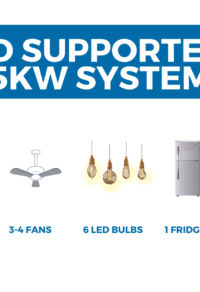
As electricity prices continue to rise and load shedding remains a concern in many cities, homeowners and businesses are turning to solar energy as a reliable and cost-effective solution. If you’re researching the 5kW Solar System Price in Pakistan, you’re in the right place. At CellSolEnergy, we provide high-quality solar solutions tailored to Pakistan’s climate, energy needs, and budget considerations. A 5kW solar system is one of the most popular choices for medium-sized homes in Pakistan. It offers the perfect balance between affordability and energy production, making it ideal for households consuming around 500–700 units per month. In this detailed guide, we will cover: 5kW on-grid solar system price in Pakistan 5kW hybrid solar system cost 5kW off-grid solar setup price 5kW solar system installation charges 5kW solar inverter price in Pakistan 5kW solar system for home price 5kW net metering solar system cost Pakistan What is a 5kW Solar System? A 5kW solar system can generate approximately 18–22 units of electricity per day depending on sunlight conditions in cities like Lahore, Karachi, Islamabad, Faisalabad, and Multan. Monthly production can range from 550 to 650 units, making it suitable for: 1–2 air conditioners Refrigerator Washing machine Water motor Fans and lights LED TV and other appliances This system typically includes: 8–10 high-efficiency solar panels (550W–600W each) 5kW solar inverter Mounting structure DC/AC wiring Protection devices Optional batteries (for hybrid or off-grid systems) 5kW On-Grid Solar System Price in Pakistan An on-grid system is directly connected to WAPDA (utility grid) and does not require batteries. It is the most affordable and commonly installed system in Pakistan. Estimated 5kW On-Grid Solar System Price in Pakistan (2026) Price Range: PKR 700,000 – PKR 850,000 With net metering approval included Benefits of On-Grid System: No battery cost Maximum savings on electricity bill Eligible for net metering Lower maintenance If you have stable grid electricity and want to reduce your bill significantly, this is the best choice. CellSolEnergy provides Tier-1 solar panels and high-performance inverters to ensure maximum efficiency and durability. 5kW Hybrid Solar System Cost in Pakistan A hybrid system combines solar panels, batteries, and grid connectivity. It allows you to store excess energy and use it during load shedding. 5kW Hybrid Solar System Cost Price Range: PKR 950,000 – PKR 1,250,000 Price varies based on battery type (Lithium or Tubular) Advantages: Backup during power outages Smart energy management Reduced dependency on grid Future battery expansion option Hybrid systems are ideal for areas with frequent load shedding. Although the initial investment is higher, it offers energy independence and peace of mind. 5kW Off-Grid Solar Setup Price An off-grid system works completely independent of WAPDA. It requires batteries to store electricity. 5kW Off-Grid Solar Setup Price in Pakistan Price Range: PKR 1,100,000 – PKR 1,400,000 This price depends largely on battery capacity and inverter quality. Best For: Rural areas Farms Remote locations Areas without grid access Off-grid systems require careful load management and proper battery maintenance. At CellSolEnergy, we design customized off-grid solutions to match your energy needs. 5kW Solar System Installation Charges in Pakistan Installation costs depend on roof type, structure height, wiring distance, and additional safety components. 5kW Solar System Installation Charges: PKR 50,000 – PKR 120,000 Installation includes: Panel mounting structure AC/DC wiring Earthing system Circuit breakers Labor cost At CellSolEnergy, we provide professional installation with safety compliance and performance testing. 5kW Solar Inverter Price in Pakistan The inverter is the heart of your solar system. It converts DC electricity from panels into usable AC power. 5kW Solar Inverter Price in Pakistan (2026) On-Grid Inverter: PKR 180,000 – PKR 250,000 Hybrid Inverter: PKR 250,000 – PKR 400,000 Off-Grid Inverter: PKR 220,000 – PKR 350,000 Popular inverter brands available in Pakistan include: Inverex Growatt Huawei Solis Choosing the right inverter ensures efficiency, safety, and long-term performance. 5kW Solar System for Home Price in Pakistan If you’re searching specifically for 5kW Solar System Price in Pakistan, the cost depends on system type. Estimated Home Installation Cost: On-Grid: PKR 700,000 – PKR 850,000 Hybrid: PKR 950,000 – PKR 1,250,000 Off-Grid: PKR 1,100,000 – PKR 1,400,000 Monthly Savings: A 5kW system can reduce your electricity bill by 70–90%. Payback period is typically 2.5 to 4 years depending on usage and electricity rates. 5kW Net Metering Solar System Cost Pakistan Net metering allows you to export excess electricity to the grid and receive credit from your DISCO (e.g., LESCO, K-Electric, IESCO). 5kW Net Metering Solar System Cost Pakistan: PKR 750,000 – PKR 900,000 (Including net meter approval & documentation) Benefits of Net Metering: Sell excess electricity Lower monthly bills Faster ROI Government-approved system CellSolEnergy handles complete net metering documentation, inspection, and approval process for your convenience. Factors Affecting 5kW Solar System Price in Pakistan Several factors influence overall cost: Solar panel brand & wattage Inverter quality Battery type (if hybrid/off-grid) Mounting structure material Installation complexity Net metering charges Location in Pakistan Why Choose CellSolEnergy? CellSolEnergy is a trusted solar company in Pakistan offering: Tier-1 solar panels Advanced inverters Professional installation Net metering services Warranty support Competitive pricing We provide customized solar solutions for homes, businesses, schools, and industries across Pakistan. Is a 5kW Solar System Worth It in Pakistan? Absolutely! With rising electricity tariffs and fuel adjustments, solar investment is one of the smartest financial decisions in 2026. Key Benefits: ✔ Protection from rising electricity prices ✔ Clean and renewable energy ✔ Increase property value ✔ 25+ years panel lifespan ✔ Government-approved net metering A 5kW solar system is ideal for average Pakistani households and offers long-term savings with environmental benefits. Final Words Understanding the 5kW Solar System Price in Pakistan helps you make an informed decision. Whether you choose on-grid, hybrid, or off-grid, the right system depends on your energy consumption and budget. At CellSolEnergy, we are committed to delivering reliable, affordable, and high-performance solar solutions across Pakistan. If you’re ready to switch to solar and reduce your electricity bills, contact CellSolEnergy today for a free consultation and site survey. Make the smart move toward ...
19Sep
Net Metering Pakistan
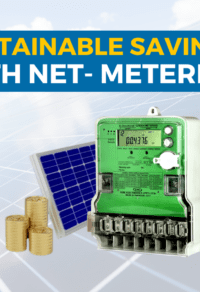
Through “Net Metering Pakistan,” owners of solar panels can sell any extra power build during the day to the national grid, overcast their electricity costs. Despite being a relatively recent idea in Pakistan, net dealing has a lot of benefits because of the nation long summers. Some actions need to be taken, which we will go over in depth in this post, to have net metering installed at home. Remembering that the NEPRA 2015 rule prohibits individuals from applying directly for net metering is crucial. Instead, users need to contact a solar company registered with the AEDB to use the net metering option. Before delving into the procedure, let’s examine net metering and how it operates in Pakistan. The Definition of Net Metering A buyer with solar panels can use net dealing to return any excess energy they produce to the grid and obtain credits from the utility source toward their electric bills. Your solar panels feed back excess power to the grid when they cause more electricity than you use. The utility house computes the difference between the power you cause and use at the end of each month. Only the net amount of power used will be billed to you; any extra power you provide to the grid will be charged to your account. Net Metering Companies in Pakistan is a fantastic method for lessening electricity costs and supporting the domain. It is a great alternative to consider if you are thinking about adding solar panels to your house. Technology for Net Metering For net metering, hybrid or on-grid solar panels are linked with a bidirectional power meter. A three-phase electrical connection must be made to these solar panels to replenish and balance the extra energy supplied to the national grid. You receive credits for the quantity of energy you sell to the grid. The credits can be redeemed for free electricity units. For solar system owners, the net metering system in Pakistan is a relatively new idea that offers many advantages. Due to the plenty of sunlight in the nation, solar panels produce more power during the day than is needed. However, if a net metering-compliant Net Metering solar system in Lahore is not positioned on your rooftop, this excess energy will be useless. The following guidelines explain the trends in state and utility net metering policies: Installation of Solar System The first and most important phase is installing a solar system that complies with Cellsol Energy Net metering. Cellsol Energy successfully serves home, commercial, and industrial clients in all three areas. We are excellent at providing small-scale industrial systems up to multi-megawatt ones and 10 kw home systems. Application Preparation By SRO 892 (1) 2015 guidelines, the application preparation is the first stage in the second phase. Our esteemed clients benefit from our assistance with every stage of the application procedure for a solar net metering system in Pakistan, making the process simpler and more seamless. Inspection and NOC issuance If the application is approved, the Energy Department will begin the inspection phase. The electrical inspection team will inspect the system in accordance with LESCO SOP and SRO 892(1)/2016. Following the system’s satisfactory inspection, you will receive an NOC. Signature of Agreement The Distributor Generator (Consumer) and LESCO will sign a three-year agreement. This is a big milestone. Under the terms of this legal agreement, you will be able to input excess energy into the national grid. Generation License Allotment NEPRA will receive the signed contract between you and LESCO in exchange for a generation license. After the governing body verifies the formal agreement, you will be permitted to operate as an independent power producer for the following three years. Net Meter Activation Lastly, but just as importantly, LESCO will turn you into an autonomous power-generating entity. Once the generation license has been allotted successfully, your net meter will be enabled, enabling you to save and earn at the same time. In brief A technology known as “net metering” is used to sell the extra electricity produced by solar panels back to the national grid in exchange for lower monthly electricity Net Metering Cost in Pakistan. In Pakistan, however, people cannot apply for net metering directly. To make use of the net metering features, you must get in touch with a solar company that is registered with the AEDB. The solar provider will represent the consumer in preparing the application and obtaining permission from NEPRA and the Punjab Energy Department. The consumer will then be able to produce renewable energy and sell it back to the national grid, which would lower power rates after the required departments have signed an agreement and issued the NOC and Generation License. Choose Cellsol Energy pros to approve your Net Metering application quickly and efficiently. They have a high success rate in getting approvals for Net Metering in Lahore and a wealth of knowledge.
19Dec

5000 Watt Solar Panel Price in Pakistan | Complete 2026 Guide
As electricity prices continue to rise in Pakistan, more homeowners and businesses are shifting toward solar energy. Among the most popular choices is the 5000 watt solar power system, which offers an ideal balance between affordability and performance. In this detailed guide by CellSolEnergy, we will explore everything you need to know about the 5000 Watt Solar Panel Price in Pakistan, including installation costs, inverter prices, hybrid options, and complete solar kits. Why Choose a 5000 Watt Solar System in Pakistan? A 5000 watt (5kW) solar system is perfect for: Medium-sized homes Small offices Shops and commercial setups Households with high electricity usage (ACs, fridge, washing machine, etc.) In Pakistan, where load shedding and high unit rates are common, a 5kW system can significantly reduce or even eliminate monthly electricity bills. 5000 Watt Solar Panel Price in Pakistan The 5000 Watt Solar Panel Price in Pakistan depends on multiple factors such as brand, panel type, inverter type, and installation quality. Average Price Range (2026) System Type Estimated Price (PKR) On-Grid 5kW System 650,000 – 850,000 Hybrid 5kW System 850,000 – 1,150,000 Off-Grid 5kW System 900,000 – 1,300,000 Prices may vary depending on city (Lahore, Karachi, Islamabad, Faisalabad, Multan, etc.) and equipment brand. At CellSolEnergy, we provide competitive rates with high-quality Tier-1 solar panels and branded inverters. 5000 Watt Solar System Price in Pakistan | What’s Included? When evaluating the 5000 watt solar system price in Pakistan, it’s important to understand what components are included. A standard 5kW system includes: 8–10 Solar Panels (550W–600W each) 5kW Solar Inverter Mounting Structure DC & AC Wiring Net Metering Setup (for on-grid) Installation & Labor Charges Energy Production Capacity A 5kW system in Pakistan can generate: 20–25 units per day (depending on sunlight) 600–750 units per month This production can save approximately PKR 30,000–50,000 per month depending on electricity tariffs. 5000 Watt Solar Panel Setup Cost The 5000 Watt solar panel setup cost includes both equipment and installation charges. Here’s a breakdown: Equipment Cost (Approximate) Solar Panels: PKR 350,000 – 450,000 Inverter: PKR 180,000 – 300,000 Mounting Structure: PKR 70,000 – 120,000 Wiring & Accessories: PKR 50,000 – 80,000 Installation Charges: PKR 40,000 – 70,000 Total Estimated Setup Cost: 👉 PKR 650,000 to 1,100,000 The final cost depends on whether you choose: On-grid system (cheapest option) Hybrid system (battery backup included) Off-grid system (fully independent) At CellSolEnergy, we offer customized site surveys to provide exact pricing based on roof size and energy needs. 5000 Watt Inverter Price in Pakistan The inverter is the heart of your solar system. It converts DC electricity from panels into usable AC power. 5000 Watt Inverter Price in Pakistan (2026) Inverter Type Price Range (PKR) On-Grid Inverter 5kW 180,000 – 250,000 Hybrid Inverter 5kW 250,000 – 350,000 Off-Grid Inverter 5kW 220,000 – 300,000 Popular Inverter Brands in Pakistan: Huawei Growatt Inverex Solis Fronius Hybrid inverters are more expensive because they support batteries and backup during load shedding. 5000 Watt Solar Generator Price Many customers ask about the 5000 watt solar generator price in Pakistan. A solar generator is typically a combination of: Solar Panels Hybrid Inverter Lithium or Tubular Batteries Price Estimate: 👉 PKR 1,000,000 – 1,500,000 (depending on battery type) Lithium batteries increase cost but offer: Longer lifespan (8–10 years) Faster charging Better efficiency Solar generators are ideal for: Areas with frequent load shedding Remote locations Backup power solutions 5000 Watt Solar Kit Price in Pakistan A 5000 Watt solar kit price in Pakistan refers to a pre-packaged system that includes all required components. Typical 5kW Solar Kit Includes: 9 × 550W Tier-1 Panels 5kW Hybrid or On-Grid Inverter Mounting Structure MC4 Connectors DC & AC Protection Installation Manual Kit Price Range: 👉 PKR 650,000 – 1,000,000 Solar kits are suitable for customers who want a complete solution without separate purchasing. At CellSolEnergy, we provide ready-to-install 5kW solar kits with warranty and after-sales support. 5000 Watt Hybrid Solar System Price A hybrid system is currently the most popular option in Pakistan due to load shedding. 5000 Watt Hybrid Solar System Price in Pakistan: 👉 PKR 850,000 – 1,200,000 Benefits of Hybrid System: ✔ Net metering compatibility ✔ Battery backup during outages ✔ Grid + Solar + Battery integration ✔ Smart monitoring via mobile apps Hybrid systems are ideal for cities like Lahore, Karachi, Islamabad, and Peshawar where electricity interruptions are common. 5000 Watt Solar Power System for Home Cost The 5000 Watt solar power system for home cost depends on home load requirements. Suitable for Running: 1–2 Air Conditioners Refrigerator Washing Machine LED Lights & Fans Water Motor TV & Electronics Monthly Bill Savings: A 5kW system can reduce bills by: 👉 PKR 30,000 – 60,000 per month Return on Investment (ROI) is typically achieved in: ⏳ 2.5 to 3.5 years After ROI, electricity becomes almost free for 20+ years. On-Grid vs Hybrid vs Off-Grid – Which One is Best? Feature On-Grid Hybrid Off-Grid Battery Backup ❌ ✅ ✅ Net Metering ✅ ✅ ❌ Cost Low Medium High Best For Low Load Shedding Areas Most Homes Remote Areas For most Pakistani households, a 5000 watt hybrid solar system is the best choice. Factors Affecting 5000 Watt Solar Panel Price in Pakistan Panel Brand (Tier-1 vs Local) Inverter Type Battery Type (Lithium vs Tubular) Installation Quality Net Metering Charges City & Transportation Costs Choosing a trusted installer like CellSolEnergy ensures high-quality materials and professional installation. Why Choose CellSolEnergy in Pakistan? ✔ Tier-1 Solar Panels ✔ Branded Inverters ✔ Certified Installation Team ✔ Net Metering Assistance ✔ Warranty & After-Sales Support ✔ Affordable 5kW Solar Packages We serve customers across Pakistan including: Lahore Karachi Islamabad Faisalabad Multan Gujranwala Rawalpindi Final Thoughts At Cellsolenergy, the 5000 Watt Solar Panel Price in Pakistan varies depending on system type, inverter choice, and battery backup requirements. However, investing in a 5kW solar system is one of the smartest financial decisions for Pakistani households in 2026. With rising electricity costs and frequent load shedding, a 5kW system offers: ✔ Significant bill reduction ✔ Energy ...
19Dec

Solar System Price in Pakistan
Are you considering installing a solar system in Pakistan? If so, you’re probably wondering how much it will cost. In this blog post, we’ll discuss the factors that affect the price of a solar system in Pakistan, and we’ll provide you with a general range of prices. Factors Affecting Solar System Price in Pakistan The price of a solar system in Pakistan varies depending on a number of factors, including: The size of the system 2. The type of solar panels 3. The inverter 4. The batteries 5. The installation costs In general, you can expect to pay between Rs. 100,0000 and Rs. 500,0000 for a solar system that can generate enough electricity to power your average home. Solar System Price Range in Pakistan How to Save Money on Solar System Costs There are a few things you can do to save money on solar system costs in Pakistan: Get quotes from multiple solar installers. This will help you to compare prices and find the best deal. Cellsol Energy offers the best prices with the best services and products. This can save you money on the cost of installation. Conclusion The price of a solar system in Pakistan varies depending on a number of factors. However, in general, you can expect to pay between Rs. 10,00000 and Rs. 50,00000 for a solar system that can generate enough electricity to power your average home. There are a few things you can do to save money on solar system costs, such as getting quotes from multiple solar installers and applying for government incentives. Learn about the factors that affect the price of a solar system in Pakistan, and find out how you can save money on solar system costs. Solar energy is a clean, renewable source of energy that can save you money on your energy bills.
19Dec

Hybrid Solar Systems in Pakistan
Hybrid solar systems in Pakistan combine the benefits of both on-grid and off-grid solar systems. They can provide you with electricity from the grid when it is available, and they can also store energy in batteries so that you can have power even when the grid is down. This makes hybrid solar systems a great option for homes and businesses in Pakistan, where power outages are common. How do hybrid solar systems work? Hybrid solar systems use a hybrid solar inverter to convert the DC electricity generated by the solar panels into AC electricity that can be used in your home or business. The inverter also controls the charging and discharging of the batteries. When the sun is shining and the grid is up, the hybrid solar inverter will use the solar energy to power your home or business. Any excess solar energy will be stored in the batteries. When the sun is not shining or the grid is down, the hybrid solar inverter will use the stored energy in the batteries to power your home or business. What are the benefits of hybrid solar systems in Pakistan? Hybrid solar systems offer a number of benefits, including: • Reduced electricity bills: Hybrid solar systems can help you to reduce your electricity bills by offsetting your reliance on the grid. • Increased energy security: Hybrid solar systems can provide you with electricity even when the grid is down. • Environmental benefits: Hybrid solar systems can help to reduce your carbon footprint and contribute to a cleaner environment. *How much does a hybrid solar system cost in Pakistan? * The cost of a hybrid solar system in Pakistan depends on the size of the system and the components that you choose. *Is a hybrid solar system a good investment in Pakistan? * A hybrid solar system can be a good investment in Pakistan, especially if you have frequent power outages. However, it is important to do your research and calculate the potential savings before you decide to install a hybrid solar system. If you are interested in learning more about hybrid solar systems in Pakistan, please contact us at Cellsol Energy. We would be happy to help you assess your solar potential and design a hybrid solar system that meets your needs.
27Mar

Common Myths and Misconceptions About Solar Energy
Common Myths and Misconceptions About Solar Energy Solar energy has been growing in popularity as a source of renewable energy. However, there are still several myths surrounding solar energy that may be preventing people from fully embracing its potential. In this article, we will explore some of the most common solar energy myths and separate fact from fiction. Myth #1: Solar panels are too expensive This is one of the most common myths about solar energy. While it is true that solar panels were quite expensive a decade ago, the cost of solar has dropped significantly in recent years. In fact, solar panels are now more affordable than ever, and the cost continues to decrease every year. Moreover, solar energy has become an affordable option for homeowners due to federal and state incentives and financing options. Myth #2: Solar panels don’t work in cold or cloudy weather Solar panels work by converting sunlight into electricity. While it is true that solar panels perform best in direct sunlight, they still work on cloudy days and in cold weather. In fact, some studies have shown that solar panels can actually be more efficient in colder temperatures. Additionally, solar panels do not need direct sunlight to work, but only daylight. Therefore, they can still produce energy even on cloudy days. Myth #3: Solar panels require too much maintenance Another myth surrounding solar energy is that solar panels require a lot of maintenance. In reality, solar panels require very little maintenance, as they have no moving parts. The only maintenance required is occasional cleaning to ensure that the panels are free of dust and debris. Moreover, most solar panel manufacturers offer warranties of 20-25 years, which means that the panels will be functioning well for decades. Myth #4: Solar panels are not aesthetically pleasing Some people are concerned that solar panels are unsightly and will detract from the appearance of their home or building. However, modern solar panels are designed to be sleek and visually appealing. Moreover, solar panels can be integrated into the design of a building or home, or even installed on a separate structure such as a carport or pergola. Myth #5: Solar energy is unreliable One of the biggest myths surrounding solar energy is that it is unreliable. Some people believe that solar energy is not consistent because it only works when the sun is shining. However, solar energy systems can be designed to store excess energy produced during the day for use at night or on cloudy days. Additionally, the reliability of solar energy has been proven in many countries, including Germany, where solar energy accounts for a significant portion of the country’s energy mix. Myth #6: Solar panels are only for sunny states Contrary to popular belief, solar energy can be harnessed in almost any state in the US, including those with colder climates or more overcast weather. In fact, some states with lower levels of sunlight, such as New York and New Jersey, have some of the fastest-growing solar energy markets. Additionally, solar energy can be used to power homes and buildings in rural areas that are not connected to the grid. Myth #7: Solar panels are bad for the environment This myth may be based on the misconception that solar panels are made with toxic materials or that their manufacturing process is highly polluting. However, solar panels are made from silicon, which is abundant and nontoxic. The manufacturing process for solar panels has also become much cleaner in recent years, with many companies using renewable energy to power their production facilities. Myth #8: Solar panels decrease property value Some people may be concerned that installing solar panels on their home or building will decrease its value. However, studies have shown that homes with solar panels actually sell for more than homes without solar panels. Moreover, solar panels can be considered an attractive feature for Bottom of Form.